
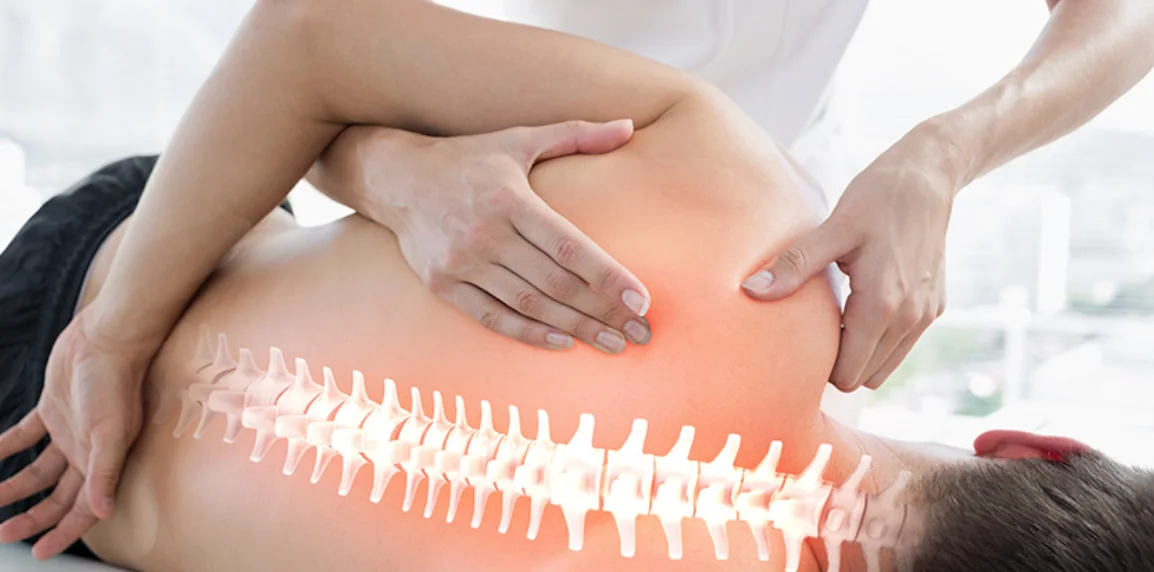
The spine plays an important role in supporting the body, protecting the spinal cord, and enabling movement. It helps maintain posture, balance, and flexibility while allowing communication between the brain and the rest of the body through the nervous system.
Although occasional back discomfort is common, some spine-related conditions require prompt medical attention. Ignoring persistent symptoms can lead to worsening pain, reduced mobility, and complications affecting daily activities.
Understanding common spine problems and their warning signs can help individuals seek timely evaluation and appropriate treatment.
Understanding the Importance of Spine Health
The spine consists of bones called vertebrae, discs that act as cushions between the bones, ligaments, muscles, and nerves. Together, these structures work to support movement and protect the spinal cord.
When any part of the spine becomes damaged or affected by disease, it can interfere with normal function and cause pain or neurological symptoms.
Why Spine Problems Should Not Be Ignored
Many people assume back pain will resolve on its own. While minor strains usually improve with rest and self-care, persistent or severe symptoms may indicate an underlying condition requiring medical evaluation.
Early diagnosis may help:
- Prevent complications
- Improve treatment outcomes
- Preserve mobility
- Reduce chronic pain
- Protect nerve function
Recognizing warning signs can help individuals seek care before problems become more serious.
1. Herniated Disc
A herniated disc occurs when the soft inner portion of a spinal disc pushes through its outer layer. This condition can place pressure on nearby nerves and cause pain, numbness, or weakness.
Herniated discs most commonly affect the lower back but can also occur in the neck.
Common Symptoms of a Herniated Disc
Symptoms may include:
- Back or neck pain
- Pain radiating into the arms or legs
- Tingling sensations
- Muscle weakness
- Numbness in affected areas
The severity of symptoms often depends on the location of the disc and the amount of nerve compression.
When Medical Attention Is Needed
Persistent pain, worsening weakness, or significant numbness should be evaluated by a healthcare professional. Early treatment may help prevent long-term nerve damage and improve recovery.
2. Spinal Stenosis
Spinal stenosis occurs when spaces within the spine narrow, placing pressure on the spinal cord or nerves. This condition usually develops gradually and is more common in older adults.
Symptoms may worsen over time if left untreated.
Symptoms of Spinal Stenosis
Common signs include:
- Back pain
- Leg pain while walking
- Numbness or tingling
- Muscle weakness
- Difficulty maintaining balance
Symptoms may improve when sitting or bending forward and worsen with standing or walking.
Why Early Evaluation Matters
Prompt assessment helps determine the extent of nerve involvement and guides treatment planning. Managing symptoms early may help maintain mobility and quality of life.
3. Degenerative Disc Disease
As people age, spinal discs naturally lose water content and flexibility. This process is known as degenerative disc disease and can contribute to chronic back or neck pain.
Although aging is a primary factor, injuries and repetitive stress may accelerate disc degeneration.
Common Symptoms
Individuals may experience:
- Chronic low back pain
- Neck discomfort
- Stiffness
- Pain that worsens with movement
- Periodic flare-ups
Symptoms vary widely, with some individuals experiencing minimal discomfort and others having significant limitations.
Treatment Considerations
Management generally includes:
- Physical therapy
- Exercise programs
- Lifestyle modifications
- Pain management strategies
Early intervention may help improve function and reduce symptom progression.
4. Sciatica
Sciatica refers to pain that travels along the sciatic nerve, which extends from the lower back into the legs. It is often caused by nerve compression from a herniated disc or other spinal condition.
The condition can range from mild discomfort to severe pain.
Signs and Symptoms of Sciatica
Common symptoms include:
- Sharp leg pain
- Burning sensations
- Numbness
- Tingling
- Weakness in the affected leg
Pain usually affects one side of the body and may worsen with prolonged sitting.
When to Seek Medical Care
Medical attention is important if symptoms are severe, persist for several weeks, or are accompanied by significant weakness or difficulty controlling bowel or bladder function.
For patients residing in Karnataka, if nerve-related symptoms persist or worsen, seeking care from the best spine doctor in Banaswadi can help facilitate accurate diagnosis and personalized treatment planning.
5. Scoliosis and Spinal Curvature Disorders
Scoliosis is a condition in which the spine develops an abnormal sideways curvature. It can occur during childhood, adolescence, or adulthood.
While mild cases may cause few symptoms, more significant curves can affect posture and physical function.
Symptoms of Scoliosis
Possible signs include:
- Uneven shoulders
- One hip appears higher
- Visible spinal curvature
- Back discomfort
- Fatigue after standing
Routine examinations may help detect scoliosis before noticeable symptoms develop.
Importance of Monitoring
Regular monitoring allows healthcare providers to track progression and determine whether treatment is necessary. Early detection may reduce the likelihood of complications.
Red Flag Symptoms That Require Immediate Medical Attention
Certain spine-related symptoms should never be ignored because they may indicate serious underlying conditions.
Recognizing these warning signs can help prevent permanent complications.
Seek Immediate Medical Care If You Experience:
- Sudden loss of bladder or bowel control
- Severe weakness in the arms or legs
- Loss of sensation in the groin area
- Sudden inability to walk
- Severe pain following trauma
- Progressive neurological symptoms
These symptoms may require urgent evaluation and treatment.
Why Rapid Action Is Important
Delaying treatment for serious spinal conditions can increase the risk of permanent nerve damage and long-term disability. Early intervention usually leads to better outcomes.
Protecting Your Spine Health
Maintaining a healthy spine involves a combination of lifestyle habits and preventive measures.
Simple daily practices can reduce strain on the spine and support long-term mobility.
Tips for Maintaining Spine Health
Consider the following:
- Maintain good posture
- Exercise regularly
- Strengthen core muscles
- Lift objects properly
- Maintain a healthy weight
- Avoid prolonged sitting
- Stop smoking if applicable
These habits can help reduce the risk of developing spine-related problems.
The Importance of Routine Evaluation
Persistent or recurring symptoms should be evaluated by a healthcare professional. Early assessment allows appropriate treatment and may help prevent progression of spinal conditions.
Conclusion
The spine is essential for movement, balance, and nervous system function. Conditions such as herniated discs, spinal stenosis, degenerative disc disease, sciatica, and scoliosis can significantly affect daily life if left untreated.
Understanding common symptoms and recognizing warning signs that require medical attention can help individuals seek timely care. Early diagnosis, appropriate treatment, and healthy lifestyle habits play a vital role in maintaining spinal health and preserving mobility for years to come.
Frequently Asked Questions
1. What is the most common spine problem?
Lower back pain is one of the most common spine-related complaints. It may result from muscle strain, disc problems, degenerative changes, or other spinal conditions that require evaluation if symptoms persist.
2. When should back pain be evaluated by a doctor?
Medical evaluation is recommended if back pain lasts several weeks, worsens over time, causes neurological symptoms, or interferes significantly with daily activities and normal functioning.
3. Can a herniated disc heal without surgery?
Many herniated discs improve with conservative treatment, including physical therapy, activity modification, and pain management. Surgery may only be considered when symptoms are severe or persistent.
4. What are the warning signs of serious spinal problems?
Warning signs include severe weakness, numbness, loss of bladder or bowel control, difficulty walking, and sudden neurological changes. These symptoms require immediate medical attention.
5. How can I reduce my risk of spine problems?
Maintaining good posture, exercising regularly, strengthening core muscles, managing body weight, avoiding smoking, and using proper lifting techniques can help protect spinal health and reduce injury risk.

Si te encuentras buscando donde alquilar jetskis en esta isla, hay distintas propuestas fantasticas tanto en el sector sur como en distintas zonas como Costa Adeje y este animado lugar. Es posible encontrar alquiler moto de agua Tenerife sur con importes razonables y excursiones como jet bike safari o aqua safari que mezclan adrenalina pura y vistas impresionantes. Para opciones mas detalladas, tambien existe la chance de rentar motos de agua en Tenerife Los Gigantes o vivir actividades acuaticas en este puerto. Para mas referencias sobre fechas disponibles y valores, te invito a visitar actividades acuaticas puerto colon tenerife .
Por otro lado, Tenerife ofrece propuestas para todos los perfiles, desde novatos hasta experimentados, con operadores como Jet Hub Tenerife y Adrenalina Jet que realizan excursiones en motos acuaticas y jet ski safaris en zonas como Costa Adeje. Si deseas una vivencia satisfactoria y segura, valora las excursiones motos de agua Tenerife sur o en otros lugares, y no descuides que asegurar con anticipacion siempre facilita las cosas, particularmente en los periodos de mayor afluencia. Por si te hace falta, el telefono +34 612 345 678 suele ser conveniente para dudas rapidas.
Has anyone too had difficulty to repair the Suno audio issues in their artificially created audio? suno audio cleaner I discovered that Suno’s AI issues can greatly affect the complete sound output, mainly with vocal elements seeming unnatural. To overcome this, I’ve been applying a audio cleaner to purify these AI music files and reliably reduce glitches from the Suno files, which works to increase both the audio quality and precision.
For those in need of a straightforward method to resolve any Suno sound quality concerns, there are some zero-cost music enhancement tools and specialized cleaners available online that can operate as a smart audio cleaner or vocal cleaner. These applications act as an intelligent artifact remover and can manage to get those vocals sound human again. If you want to discover them, here’s a great guide presenting an online free AI music cleaner and can support Suno mastering and enhancing Suno sound quality without difficulty.
Should you be discovering the domain of color science and asking yourself “what is my color palette,” there are fantastic resources out there like complimentary color analysis quizzes and platforms that enable you to identify your base tones and ideal season. find my color palette Whether you fall towards a delicate winter, rich summer, or even dark winter color palette, grasping skin tone charts and taking a skin base tone test can make all the difference in finding colors that really complement you. For a more detailed system, the 16 season color analysis framework is quite comprehensive, and you can attempt a 16 seasonal color analysis test online for personalized results.
When you’ve been using Color Analysis Pro and wish to cancel your membership, or merely interested about how to navigate your account, there are basic steps to complete to cancel color analysis pro effortlessly. Additionally, if you decide to dive further into subjects like light olive skin, warm red skin, or fair olive skin color charts, many platforms offer thorough info and samples. For further help with finding your color palette or learning skin tone assessment, you can learn more .
If you have been tinkering with Suno AI built tracks, you surely encountered those irritating imperfections that can truly hurt the sound clarity. suno track cleaner Happily, there are some effective ways to clear out Suno artifacts using tools like the Suno artifact remover or Suno audio purifier, which allow you to fix Suno AI artifacts and improve the complete sound. These alternatives are remarkably helpful if you want to improve Suno AI tracks and make singing seem more realistic.
For those finding it difficult to fix Suno audio quality or upgrade Suno audio output, online audio enhancers can be a total godsend. You can discover budget-friendly AI music enhancer options that enable you to remove flaws from Suno tracks and even aid in mastering your tracks digitally. If you’re curious, check out this platform that includes a excellent option to fix Suno vocals and upgrade your audio without stress.
Hello all, I’m hoping to plan a family trip from Munich during the imminent school holidays, but it’s been somewhat challenging to find inexpensive flights in this peak season. Prices appear to skyrocket, and with kids to factor in, staying within budget is truly important for us. I’ve come across some selected lists of low-cost flight alerts and strategies which seem promising, like this one cheap flights from helsinki , but I’m still hopeful if anyone has tips or different approaches to booking budget tickets around busy holiday times. Any advice to help reduce the price pressure would be very much appreciated. Thanks in particular for your ideas!
Hello neighbors, I’m a local resident thinking about the environmental effects of jet skiing around southern Tenerife, especially near our coral reefs and the underwater wildlife in the area. agua safari tenerife Lately, I’ve recognized increased jet ski activity which seems to harm some of the local ecosystems, including fish and the vulnerable reef structures. I recognize that these water activities are enjoyed and important for tourism, but I’m curious about finding ways to enjoy them while minimizing harm. Has anyone else noticed similar impacts or found responsible approaches that help protect our marine life? I recently came across some guidelines from environmental experts that suggest speed limits and designated zones to reduce damage—here is a link for those interested . I’d appreciate hearing about any environmentally friendly rental providers or tips for responsible enjoyment of the water. Welcoming a constructive conversation!
Hola a quienes lean esto, mi pareja y yo queremos hacer hacer una salida de fin de semana a Ronda y hemos visto varios tipos de alojamiento en burbuja con jacuzzi que parecen muy atractivas, pero la verdad es que nos genera bastante duda si vale la pena gastar mas en comparacion con un hotel o casa rural tradicional. burbuja experience murcia Nos gustaria leer experiencias reales de gente que haya pasado una noche en estas burbujas, especialmente sobre el confort, si el jacuzzi y la privacidad verdaderamente merecen la diferencia de precio. Hemos estado analizando algunas resenas y comparativas, y aunque algunas opiniones son buenas, seguimos sin tener del todo claro si sera una inversion que nos aporte algo especial para el fin de semana. Si alguien tiene recomendaciones o consejos sobre la calidad-precio y como es la experiencia, nos encantaria conocer los detalles. Aqui dejamos un enlace con algunas experiencias recogidas que hemos recopilado. ?Gracias de antemano por toda recomendacion honesta!
Tengo una tarde libre entre una caminata y una cena, y dudo entre una ruta guiada en moto de agua o un alquiler corto. La opcion larga parece tentadora, pero no quiero que las esperas y los traslados ocupen la tarde. Necesito una decision practica y un margen comodo antes de mi siguiente plan. He visto opciones desde Costa Adeje. Para comparar tiempos abri una pagina para comparar salidas acuaticas. Quiero saber cuanto dura todo desde la llegada hasta el regreso. El horario debe ser fiable. El punto de reunion tiene que ser accesible. La espera inicial deberia ser clara. La explicacion debe ser breve. El recorrido tiene que ser abierto. El grupo deberia ir tranquilo. El mar debe estar calmo. El traslado final debe ser puntual. El margen antes de cenar debe ser comodo. La reserva ha de ser confirmada. La informacion final debe ser breve. La ruta debe dejar una sensacion serena. El regreso debe sentirse puntual. ?Cuanto margen dejaron ustedes antes de otro plan? ?Las vistas compensaron la menor flexibilidad? Gracias por estimaciones honestas.
I help a community archive prepare old concert recordings for private sharing with former performers. One recording has a lovely room sound and an expressive singer, yet several quiet passages contain small digital chirps that pull attention away from the music. I want to improve listenability without polishing away the atmosphere that makes the recording meaningful. During my research I found this comparison page. It seems relevant, although I would rather hear from people who have restored imperfect live material. My question is how to set a sensible stopping point. The historic ambience is important. A small sample can guide the first decision. I can compare several passages before processing the full file. The restoration should remain gentle. Any change must respect space. I need practical settings for future copies. A fresh listening pass may expose unwanted side effects. The audience reactions should stay intact. The singer’s voice must remain believable. Each adjustment should remain simple to document. I will compare it at moderate volume. I would rather preserve a little imperfection than make the result sterile. How do you decide when a restoration has become too processed? Thank you for practical restoration notes.
Hola a todos, estoy organizando un viaje a Tenerife y me gustaria probar jetski durante mi estancia. He estado leyendo sobre los dos lugares mas visitados para esta actividad: Los Gigantes y Playa de las Americas. Por lo que he visto, Los Gigantes tiene unos acantilados increibles que creo que brindarian un entorno precioso mientras estas sobre el agua, pero he leido que puede ser un poco mas dificil para alguien con nivel intermedio, especialmente con el oleaje y las corrientes que suponen una dificultad. Por otro lado, Playa de las Americas parece bastante mas sencilla para empezar, ideal para divertirse sin demasiadas preocupaciones, aunque la belleza del lugar no es comparable a la de Los Gigantes. Para alguien que valora tanto la belleza natural como una experiencia segura y tranquila, ?cual recomendarian? He encontrado un post con fotos y imagenes que muestran claramente las diferencias moto de agua los cristianos , pero me gustaria conocer opiniones de primera mano de quienes hayan probado jetski en ambos sitios. ?Cual creen que tiene mayor encanto para alguien como yo que busca un nivel medio y vistas hermosas? Gracias de antemano por sus consejos.
I have been trying to understand my color season, but the outcome keeps moving between two neighboring palettes. One result suggests Soft Summer while another leans toward Soft Autumn. My complexion seems quite neutral and both muted ranges seem plausible in indoor light. I reviewed multiple natural-light pictures but camera settings may be influencing what I see. Before buying anything new I would like a more repeatable way to compare the options. seasonal palette test seems like a useful reference rather than a final verdict. Would you give undertone the most weight or compare chroma and contrast before temperature? I can test several colored scarves so I am happy to do a careful home check. Daylight testing is easy for me and I can keep the camera exposure fixed. Which observations would help you decide that one muted season is more accurate than the other? I am especially interested in practical checks from people who have worked through a similar overlap. Another question is avoiding changes caused only by camera white balance. I also want to understand how many comparisons are usually enough before a pattern becomes clear. Practical examples would be helpful
I am revisiting my seasonal analysis because olive coloring appears to confuse online tools. My natural hair is deep brown and my eyes are medium brown, so the overall contrast can look winter-like. At the same time my skin has a green-gold cast that automated tools often interpret as warm. Clear orange looks harsh on me while cool berry and deep teal are usually easier to wear. That pattern makes me wonder whether I belong in a cool winter range or a softer neighboring season. olive skin tone seasonal palette may help organize the clues but I do not want to force the result to match one chart. When testing in daylight would you compare pure white with cream before testing accent colors? The usual jewelry test gives mixed results so I need clues that work better for olive skin. I can test every color under one setup and review whether shadows, redness, or eye definition change. Which drapes reveal winter depth best without relying on stereotypes about skin depth? Experiences from people with olive skin would be especially useful. I care more about repeatable tests than matching every traditional description perfectly. Thank you for sharing
I am preparing a short Suno demo for two collaborators, and I want the handoff to remain honest about where the sketch currently stands. The chorus has the direction I wanted but a few sustained notes have a glassy edge I notice it most on moderate headphones after a quiet intro without turning a feedback copy into a mastering project For now I mark the moments before changing anything I compare the passage at the same volume after a short pause My plan is to compare the original with a single limited repair sunofix looks useful for comparing a careful cleanup with the unchanged sketch My goal is simply to remove a genuine distraction before requesting feedback Do you use a simple stopping point so technical cleanup does not delay collaboration? I would value examples of calm, reversible workflows that respect the song and the limited time of the people hearing it.
I’m trying to work out whether Deep Summer or Deep Winter is closer to my coloring. I reach for dark navy more often than black. That observation isn’t enough to settle it, because my photos change a lot between daylight and warm indoor light. Pure white sometimes seems too stark against my face. Muted berry and charcoal seem promising, but I can’t tell whether that’s because of their depth or their softness. I’m hoping to test this with pieces from my closet first. I came across a page about deep summer color palette while collecting examples for a side-by-side check. Would you compare navy with black first? I’m looking for a test I can repeat in the same light, not a diagnosis from one selfie. For anyone who has compared these seasons, what did you notice around the face? I will take each picture from the same distance. That way I can focus on the colors rather than the setting. I can ask a friend to look at the same set of photos so I don’t rely entirely on my own impression. I would welcome a simple order for testing the colors.
I have booked my first proper color appointment, and I am trying to arrive with a useful description instead of a heavily edited photo. The hair I have now is a fairly ordinary brown and my skin is fair, so I am considering a cooler change rather than a bright copper or golden blonde. The photos on my phone make every shade look more polished than it might in daylight. I cannot tell which of those shades would still look balanced when I am outside or under office lighting. I would like to compare two nearby shades. I also do not want to commit to frequent root appointments. I am using cool summer hair color ideas as vocabulary for the consultation, not as a strict rule about what I should choose. Would a few strands held near my face be a useful test? I can take pictures in natural light, but I am unsure how much to trust a phone camera’s color balance. The appointment includes a shorter cut, so I would rather make the color decision thoughtfully than change everything at once. A modest first step would give me something concrete to judge. For anyone who has tried a subtle cool shade, what made the consultation more useful? I am especially interested in how you weighed everyday lighting, upkeep and the condition of your own hair.
I recently stopped covering my gray hair and the changing contrast is making some dependable clothes look unfamiliar near my face. I want to observe the transition patiently while continuing to use most of what I own. Black still works in small amounts, but a few warm beige and brown tops now seem disconnected from the cooler hair around my temples. It seems wasteful to rebuild the wardrobe before the color settles, especially because the dyed lengths will remain for quite a while. I am using this personal color analysis to record fabric comparisons over time instead of relying on one photograph. Should I choose a tiny set of comparison fabrics first, and should I then wait until more natural hair has grown before changing larger pieces? I am open to using existing accessories during the transition. Please share a gradual approach that avoids chasing every intermediate stage.
I am several months into returning to my natural gray and the changing contrast is making some dependable clothes look unfamiliar near my face. I want to observe the transition patiently while continuing to use most of what I own. Charcoal continues to feel practical, but a few warm beige and brown tops now seem disconnected from the cooler hair around my temples. I would rather avoid shopping for a temporary stage, especially because the dyed lengths will remain for quite a while. I am using this personal color analysis to separate gradual observations from an impulse to buy new clothes. Should I choose a tiny set of comparison fabrics first, and should I then wait until more natural hair has grown before changing larger pieces? I am open to using existing accessories during the transition. Which changes are worth making early, and which should wait?
I am trying to work out my undertone before choosing a few new clothes, but the phone camera gives me a different answer almost every time. Under a warm bulb my face looks golden; by the window it looks cooler. The mirror seems more consistent, though I know nearby walls and clothing can cast color too. My goal is to make one repeatable comparison rather than collect more screenshots. My plan is to use indirect daylight, remove makeup, keep the same camera settings, and hold two fabrics close to my face in the same place. I would look for changes in redness, shadows, and how clear my eyes appear. Does that approach sound reasonable? I am especially unsure whether a plain white background helps or simply makes the phone adjust its exposure again. If I take pictures, I would also keep the reference fabric in each frame so I can compare them later. I came across an explanation of skin tone analysis while learning the vocabulary, but I would rather check the conditions of the test than trust a single label from an image. If you have done this at home, which steps made the difference easiest to see? I can test again under the same conditions. A practical rule of thumb would be enough. I can keep a note of the light in each comparison. Thanks for any repeatable method.
I have a hair appointment soon and want to settle a palette question before choosing a shade. One quiz put me in Deep Winter; another suggested Deep Summer. The difference seems small on screen but noticeable when I hold clothes beside my face. In daylight, black looks fairly strong on me, yet some cool muted colors also seem comfortable. I do not want to treat a camera result as a final answer because the room lighting and automatic white balance change the appearance of my skin. My next step is to compare a few pieces I already own rather than buying a full new wardrobe. I am looking at whether clear jewel tones or softer cool shades make my eyes look more defined, and whether either group emphasizes shadows under them. When I talk to the stylist, I would like to bring a few specific color references instead of just naming a season. I found a page about color analysis while sorting out the terms, but I would value observations from people who have compared these two palettes in person. Would you test fabric near the face first, or is there another simple check that helped you decide? I would rather wait than commit to the wrong shade. I would especially appreciate examples of useful comparisons. I will bring color samples to the appointment. I would welcome your suggestions.
My phone keeps making my skin look different in every room, so I am questioning the undertone notes I made from photographs. Near a window, my face appears fairly neutral. Under a ceiling light it looks warmer, while the camera sometimes pushes the whole image toward pink. The background changes too, which seems like a warning sign. I found descriptions of skin tone analysis but I do not know how much faith to put in an automatic phone image. I would choose even light rather than direct sun. I can turn off beauty filters. I could hold the same white card beside my face and photograph it at roughly the same time on several days. Is it useful to keep camera settings fixed? I could note the settings beside each photograph. I would also compare the actual fabric in a mirror, because the photo may be recording the room more than my skin. I would rather ignore differences caused by the camera. For people who have done this carefully, which lighting conditions gave consistent observations, and when did you decide a photo was misleading? I can try the setup more than once to check consistency. A practical checklist would help me separate the camera settings from the colors I am trying to judge.
I am trying to make my wardrobe smaller, and I would rather understand which colors I actually wear well before buying anything new. I laid out several pieces I wear regularly. The same blue looks calm next to my face by a window, but oddly harsh under the warm bulbs in my room. That makes my first impression unreliable. I have been reading about personal color analysis as a way to give these comparisons some structure. I would hold each sample at the same distance. I can set aside an hour on a bright morning. I would place a few fabrics near my face, keep the background neutral, and take notes instead of trusting a single photo. Would you start with muted and bright versions? I could write down what changes with each fabric. I am also unsure whether to include makeup, since it might change the result I am trying to observe. I am looking for a process rather than a label alone. If you have tested colors this way, what did you look for in your face and eyes, and which differences were too subtle to trust? I want to keep the pieces that work, not replace everything. Any practical order for the comparisons would be appreciated.
I am planning a small family photo session at home, and I want everyone to look like themselves rather than wear matching outfits. The room has one large window and a plain wall we can use as a backdrop. My first thought was a bright blue sheet. That might distract from everyone’s faces. A neutral cloth might be calmer, although beige seems to wash out one person’s pale shirt. Our group has different complexions and nobody wants to purchase an outfit just for one afternoon. I have been reading about color analysis as one way to think about contrast, while keeping the actual clothing choices flexible. Would you check the backdrop before outfits with each person standing in the same patch of window light? I could take a few unedited phone pictures and compare them side by side before we commit to the setup. I would appreciate an easy check for balancing clothing colors with the background without making the group look artificially coordinated. How do you keep the faces prominent in a mixed group? We have room to try another background and I am open to testing rather than guessing.
I am planning a small family photo session at home, and I want everyone to look like themselves rather than wear matching outfits. The room has one large window and a plain wall we can use as a backdrop. A strong blue background was my first idea. That might distract from everyone’s faces. A neutral cloth might be calmer, although beige seems to wash out one person’s pale shirt. We have a mix of skin tones and nobody wants to purchase an outfit just for one afternoon. I have been reading about color analysis as one way to think about contrast, while keeping the actual clothing choices flexible. Would you start by photographing the background with each person standing in the same patch of window light? I could take a set of plain phone photos and compare them side by side before we commit to the setup. I would appreciate an easy check for balancing clothing colors with the background without making the group look artificially coordinated. How do you keep the faces prominent in a mixed group? We have room to try another background and I am open to testing rather than guessing.
My job now involves regular video presentations, so I am trying to choose a few tops specifically for those days. The mirror and the video preview give me different impressions, especially when a shirt contrasts strongly with my pale background. I would prefer comfortable everyday clothes, with enough visual balance that viewers can focus on my face during a presentation. My plan is to compare plain tops with the same camera placement and lighting, using clothes I already have. I found a page about color analysis and would like to use the idea as a starting point for these comparisons. Small stripes are already on my avoid list because they look restless in the preview, even when the fit is good. Should I review a recorded sample after each change, or can the live camera preview provide a fair comparison? Another uncertainty is whether I should prioritize the color near my face or its relationship with the room background. I would welcome a simple comparison routine, particularly one that does not assume a single color works for every person.
With more presentations taking place online, I have begun paying attention to the tops I wear during work calls. The mirror and the video preview give me different impressions, especially when a shirt contrasts strongly with my pale background. I am not trying to look formally dressed every day; I mainly want my face to remain easy to see. Keeping the room setup unchanged should let me compare several solid-colored tops without confusing clothing differences with lighting changes. I found a page about color analysis and would like to use the idea as a starting point for these comparisons. Small stripes are already on my avoid list because they look restless in the preview, even when the fit is good. Would you judge the colors from a short recording rather than the live preview, or is either method equally useful? I cannot decide how much weight to give the background when a shirt seems reasonably flattering around my face. If you present online regularly, I would appreciate the checks you use before settling on your usual camera clothes.
Выбираю билеты на поезд после прилёта в Сочи и стараюсь понять, какой интервал между ними будет разумным. Планирую взять чемодан, а значит, хотелось бы оставить время на спокойный выход и поиск нужного пути. В обсуждениях встречается слово вокзал без уточнения, и из-за этого трудно понять, про какую именно точку говорят. Для первоначального расчёта сохранил страницу сочи аэропорт и жд вокзал расстояние — это отправная точка для дальнейших уточнений. Ещё хочу заранее сохранить схему переходов в телефоне, чтобы не искать её после прилёта. Если потребуется пересадка по пути, важно понимать, где покупать следующий билет и как ориентироваться с чемоданом. При этом одной цифры недостаточно, ведь после посадки ещё предстоит получить вещи и найти место отправления. Подскажите, какой запас вы обычно оставляете, если оба билета куплены отдельно и следующий поезд пропускать нельзя. Расписание буду сверять ближе к поездке, а сейчас хочу оценить сам процесс и его слабые места. Расскажите, пожалуйста, между какими точками вы перемещались и сколько багажа везли, чтобы не сравнивать разные ситуации.
Собираюсь съездить из Берлина в Потсдам на день и пытаюсь составить маршрут, который не потребует постоянной спешки. Ранний подъём хотелось бы исключить, но возвращение тоже ограничено: на вечер уже есть другие планы. Мне нужен спокойный порядок действий: добраться, погулять и вернуться, оставив небольшой запас на непредвиденные задержки. Для подготовки нашёл материал по запросу потсдам сан-суси как добраться — это отправная точка для дальнейших уточнений. С собой планирую взять воду и небольшой перекус, но остановку на обед тоже хотелось бы предусмотреть. Для меня это первая поездка в Потсдам, поэтому расстояния по карте пока трудно соотнести с реальной прогулкой. Остался вопрос к тем, кто уже был: где лучше начать прогулку, чтобы не делать лишних кругов? Особенно интересует, стоит ли сначала идти в парк или оставить его после короткой прогулки по центру. Внутренние экскурсии пока не включаю: не хочется привязывать весь день к одному билету и конкретному часу. Если мой план переоценивает доступное время, помогите выбрать, от чего отказаться, чтобы поездка осталась приятной.
Собираемся на море с дошкольником и пока сравниваем места для спокойного отдыха. Красивые фотографии помогают составить список, но по ним сложно понять, как проходит обычный день у воды. Главный критерий для нас — возможность спокойно подойти к воде. Нужна возможность делать перерывы в тени рядом с пляжем. Не хотим каждый раз собирать все вещи и долго идти обратно к жилью, когда ребёнок устанет. Бытовые вопросы вроде туалета и питьевой воды тоже включили в список. Для первоначального поиска смотрим материалы по теме канарские острова и теперь сравниваем конкретные пляжи по одинаковым критериям. Машину пока не планируем брать на весь отпуск. Поэтому длинный путь от остановки или крутой спуск могут оказаться важнее живописного вида. Ещё хочется понять, будет ли удобно идти к пляжу с коляской и сумкой для детских вещей. На что ещё смотреть, прежде чем оплачивать проживание рядом? Буду благодарен за примеры с описанием подхода к воде и ближайшей инфраструктуры.
На этот раз выбираю побережье с более прохладной погодой и рассматриваю север Испании. Думаю о поездке, в которой можно чередовать прогулки у моря, небольшие города и спокойные дни без плотной программы. Не строю отпуск только вокруг купания, хотя совсем исключать его не собираюсь. Главный вопрос сейчас — просторный берег или небольшая закрытая бухта. На фотографиях оба варианта выглядят привлекательно, а вот ощущения при ветре и пасмурной погоде представить сложнее. Начинаю сравнение с городов, в которых можно остановиться. В частности, рассматриваю города на севере испании и отмечаю интересные места на случай неподходящей для пляжа погоды. Не стремлюсь объехать всё побережье за одну поездку. Скорее проведу больше времени в одном месте, чем буду спешить дальше. Отдельно рассматриваю доступность магазинов и кафе, чтобы в дождливый день не зависеть от длительной поездки в другой город. Что посоветуете учитывать при таком сочетании моря и пеших прогулок? Особенно полезны детали о береговых прогулках, ветре и повседневном удобстве выбранного места.
Хочу провести в разговорном клубе занятие о самостоятельных поездках. Мы не продаём экскурсии и не составляем настоящий маршрут. Задача проще: научиться задавать уточняющие вопросы, когда читаешь чужое описание путешествия. Ищу компактный пример, который удобно обсуждать вместе. Участники будут работать парами и сравнивать свои вопросы. В поисковой подборке встретилось сочетание михаил шварц путешествия — сохранил ссылку среди возможных примеров для общего разбора. Прежде чем что-либо раздавать, выберу небольшой фрагмент и проверю, подходит ли он нашей группе. Хотелось бы отделить личные впечатления автора от сведений, которые читатель должен уточнить самостоятельно. Одна пара могла бы выписать вопросы о дороге. Другая проверит, понятно ли описан порядок действий. Отдельно обсудим, где не хватает даты или контекста. Уровень подготовки у всех разный, поэтому важно, чтобы участник мог объяснить свой вопрос обычными словами и показать, какой фрагмент текста заставил его об этом задуматься. Какое задание помогает новичкам читать такие материалы внимательно, но не превращает встречу в экзамен? Буду рад короткому упражнению для совместного обсуждения.
Навожу порядок в семейном списке ссылок после переноса заметок. За несколько поездок накопились страницы, скриншоты и короткие подписи, смысл которых уже не всегда понятен. Некоторые материалы сохраняли для реального выезда, другие просто казались интересными. Нужна простая подборка, в которой легко разобраться позже. Полностью очистить список не хочется, хотя пользоваться им трудно. Среди неподписанных записей нашлась ссылка с пометкой venagid — решил дописывать к похожим ссылкам цель сохранения. Не собираюсь считать старую закладку готовой инструкцией. Если снова понадобится соответствующая тема, проверим условия заново и зафиксируем дату этой проверки. Пока предлагаю три поля: тема, источник и вопрос. Дополнительно поставлю дату, когда запись действительно просмотрели. А непроверенные детали выделять короткой заметкой. Список общий, и им пользуются несколько человек, поэтому подпись должна быть понятной без объяснения автора. Хочется открывать заметку и сразу видеть, что осталось выяснить перед поездкой. Как вы отличаете полезный источник от случайной ссылки, когда возвращаетесь к заметкам через год? Буду рад примеру короткой и понятной путевой заметки.
Wahrend einer Stadtereise nach Barcelona bleibt uns ein ganzer Tag fur Meer und Strand. Wir wohnen im Zentrum und sind ohne Auto unterwegs. Wir mochten den Strand moglichst unkompliziert mit Bahn oder Bus erreichen. Wir planen keinen kurzen Fotostopp, sondern mehrere Stunden am Meer. Ein etwas ruhigerer Abschnitt ware uns lieber als die vollste Promenade. Der Ruckweg soll auch am fruhen Abend mit dem Nahverkehr moglich sein. Au?er Handtuchern und Wasser tragen wir wenig Ausrustung. Der letzte Abschnitt darf gern ein angenehmer Fu?weg sein. Lange Wege in der Mittagshitze wurden wir vermeiden. Fur den ersten Vergleich habe ich barcelona beste strande notiert. Welche Abschnitte wurdet ihr fur diesen Tagesplan vergleichen? Besonders hilfreich waren Erfahrungen zur tatsachlichen Fahrzeit, zur Orientierung vor Ort und zur Ruckfahrt am Abend. Auch Hinweise zu Schatten und einfachen Pausenmoglichkeiten wurden uns bei der Wahl helfen. Wir mochten die Entscheidung vorher treffen, damit wir den Tag nicht mit mehreren spontanen Ortswechseln verbringen.
Fur einen freien Vormittag auf Teneriffa mochte ich eine kurze Wanderung im Anaga-Gebirge planen. Ein Mietwagen steht zur Verfugung, aber die Anfahrt soll nicht den ganzen Tag bestimmen. Unser Zeitfenster reicht vom fruhen Morgen bis ungefahr zum Nachmittag. Ein eindeutiger Beginn der Wanderung wurde die Planung erleichtern. Die Parkplatzsituation kann ich anhand der Karte nur schwer einschatzen. Eine lange Fahrt uber schmale Bergstra?en mochte ich vermeiden. Ideal ware eine kurze Runde mit einer schonen Aussicht. Technisch schwere Wege mochten wir bei diesem Ausflug auslassen. Wir mochten die Route bei schlechtem Wetter verkurzen konnen. Fur die weitere Planung habe ich anaga park tenerife notiert. Welche Startpunkte haben fur euch bei einem halben Tag gut funktioniert? Mich interessieren besonders praktische Hinweise zur Parkplatzsuche und zur tatsachlichen Gehzeit. Wenn mehrere Wege infrage kommen, wurde ich lieber einen verlasslichen kurzen Vorschlag wahlen als moglichst viele Ziele unterzubringen.
Nachsten Monat bin ich einen Tag allein in Alicante und plane einen entspannten Weg vom Zentrum zum Meer. Meine Unterkunft liegt beim Bahnhof. Morgens mochte ich durch die Altstadt gehen, spater am Wasser sitzen und zwischendurch etwas essen. Am Anfang des Tages wurde ich gern ohne feste Uhrzeit durch die Stra?en bummeln. Ich wurde Santa Cruz gern sehen, mochte den Anstieg aber lieber zu einer passenden Tageszeit machen. Bei der Suche nach alicante santa cruz habe ich ein paar Karten und Beschreibungen gefunden. Vor Ort ist die Frage fur mich eher, wie man die Wege sinnvoll legt und wo man unterwegs eine Pause einlegt. Wurdet ihr zuerst hinaufgehen und danach Richtung Hafen und Strand laufen? Ein langer Strandtag ist nicht geplant; eine Stunde am Wasser wurde mir reichen. Das Castillo ware nur dann eine Option, wenn der Weg und die Temperaturen noch passen. Bei gro?er Hitze bleibe ich lieber unten und genie?e den Blick aufs Meer. Mir ist wichtig, dass der Rundgang auch mit einer langeren Kaffeepause entspannt bleibt. Falls ihr Alicante ohne Auto besucht habt: Wo habt ihr mittags pausiert, und welcher Abschnitt war zu Fu? besonders lohnend? Hinweise zu Schatten und Steigungen waren hilfreich. Fur den Ruckweg ware auch eine kurze Fahrt mit offentlichen Verkehrsmitteln denkbar. Ich freue mich uber personliche Erfahrungen und kleine praktische Tipps.
My next salon visit is approaching, and I would like to arrive with a sensible short list of shades. I recently started reading about color analysis because the tones I like in photos do not always look the same next to my face. Because my hair has been natural for years, I would rather make a modest first move. A cool leaning palette seems plausible, though I do not want to turn a tentative result into a rigid rule. My natural hair is medium brown, and I want a change that is noticeable without committing to constant upkeep. Photos of muted brown and darker blonde appeal to me, but salon lighting may be doing much of the work. I also know that a dye swatch can look different against skin, eyebrows, and the color already in the hair. Is it more useful to hold actual swatches beside the face than to rely on a season name? I can bring daylight photos and explain my maintenance budget. That seems more useful than asking for an exact shade number from a quiz. I could request a small test section to see the shade on my own hair. If you have made a similar change, which small details helped you avoid a color that looked too flat or too harsh? I am especially interested in experiences from anyone who began with a brown base.
En una ruta por Andalucia nos planteamos dormir cerca de Ronda en una burbuja. La experiencia suena bien, pero viajariamos en verano y no sabemos cuanto se calienta antes de que caiga el sol. Dormimos mejor en una habitacion fresca. Por eso quisiera saber si la climatizacion funciona toda la noche sin hacer ruido. Tambien me pregunto como se resuelve la ventilacion al amanecer. He encontrado informacion general sobre casa burbujas ronda pero antes de elegir una fecha quiero preguntar por las condiciones concretas de cada establecimiento. ?Podeis contar como cambia la temperatura desde la tarde hasta la manana? No tendremos mucho equipaje. Queremos pasear por Ronda y llegar despues; importa la hora limite de entrada y si el camino esta indicado. Sabemos que las estrellas dependen del tiempo, no del alojamiento. Si queremos saber que sucede si hay tormenta o viento fuerte y si las condiciones de cambio de fecha aparecen por escrito antes del pago. La limpieza de la cubierta y la distancia a otras unidades son otras dos preguntas que llevaria preparadas. Si habeis estado en una burbuja por esa zona, ?que detalle os hizo decidir que la reserva merecia la pena? Me serviran ejemplos concretos, incluso si decidisteis escoger otro tipo de alojamiento.
Ich verbringe bald einen freien Tag in Alicante und bin ohne Mietwagen unterwegs. Meine Unterkunft liegt beim Bahnhof. Morgens mochte ich durch die Altstadt gehen, spater am Wasser sitzen und zwischendurch etwas essen. Den Vormittag mochte ich fur die Gassen und Platze im Zentrum nutzen. Die kleinen Gassen oberhalb des Zentrums klingen schon; ich wei? nur nicht, ob sie in der Mittagshitze angenehm sind. Bei der Suche nach alicante santa cruz habe ich ein paar Karten und Beschreibungen gefunden. Vor Ort ist die Frage fur mich eher, wie man die Wege sinnvoll legt und wo man unterwegs eine Pause einlegt. Wurdet ihr zuerst hinaufgehen und danach Richtung Hafen und Strand laufen? Ein langer Strandtag ist nicht geplant; eine Stunde am Wasser wurde mir reichen. Das Castillo ware nur dann eine Option, wenn der Weg und die Temperaturen noch passen. Ich wurde den zusatzlichen Anstieg nur bei angenehmem Wetter machen. Mir ist wichtig, dass der Rundgang auch mit einer langeren Kaffeepause entspannt bleibt. Falls ihr Alicante ohne Auto besucht habt: Wo habt ihr mittags pausiert, und welcher Abschnitt war zu Fu? besonders lohnend? Hinweise zu Schatten und Steigungen waren hilfreich. Bei Bedarf kann ich den Ruckweg mit der Stra?enbahn abkurzen. Ich freue mich uber personliche Erfahrungen und kleine praktische Tipps.
I am ready for a small hair color update, although I cannot commit to regular root touch ups. My natural shade is dark blonde, and most of the inspiration pictures I save show a much bigger transformation. I am trying to separate the part I like, such as softness around the face, from the expensive upkeep behind the photo. A restrained first step seems easier to live with than a dramatic switch. Reading about my color palette gave me another way to think about the shades I keep choosing. I am unsure how much a broad palette label should control a few subtle highlights. Some photos show cool beige pieces, while others lean golden; both can look convincing under studio lights. I would prefer a soft grow out and a tone that still makes sense when my natural roots show. I could bring unfiltered daylight pictures of my current hair and a couple of examples of the amount of change I want. At the salon I could ask how those examples would translate to my hair and my available upkeep time. I am open to a few face framing pieces or a gloss if either option suits the existing color. I plan to ask what the color will look like several weeks later. What helped you discuss palette inspired color without signing up for constant touch ups?
Estoy preparando una escapada de dos noches a Granada porque me gustaria fotografiar el cielo y, al mismo tiempo, dormir en un sitio tranquilo. Estoy mirando alojamientos transparentes, pero las fotos de las fichas no siempre explican lo que se ve realmente desde la cama. Prefiero una zona con poca iluminacion exterior a una habitacion con muchos accesorios. Solo dispondre de un par de noches. Tambien me preocupa que el plastico se empane o que la temperatura cambie mucho durante la noche. ?Teneis experiencia en esa epoca del ano y recordais si se dormia bien? He visto esta pagina sobre hotel burbuja granada y la estoy usando para ordenar opciones antes de preguntar a cada alojamiento por separado. Revisare la nubosidad unos dias antes. Me vendria bien saber si la zona de observacion queda cerca de otras habitaciones. Otro detalle es la llegada: llevare tripode y una bolsa de equipo, asi que agradeceria saber si el acceso desde el aparcamiento es sencillo. No busco la opcion mas llamativa, sino datos utiles antes de reservar. Si alguien conoce un alojamiento de la zona, ?preguntariais primero por orientacion, calefaccion o normas para salir a hacer fotos de madrugada? Con un par de detalles reales podre elegir con mas criterio. Gracias por compartir lo que os resulto comodo y lo que revisariais antes de repetir.
I have three full days in Madeira and will be staying in Funchal without renting a car. I would love to visit another part of the island, but I am trying to avoid an itinerary that only works if every connection is perfectly timed. I might spend one day in a coastal village, and another for a manageable walk if the forecast cooperates. The bus schedules look workable on paper, although I cannot tell how much time to allow for transfers, stops, and a relaxed lunch. For a first outline I found 3 days in madeira without a car and it helped me list possible places rather than commit to a rigid schedule. Would you reserve the final day for Funchal, in case mountain cloud or a missed connection changes the earlier plans? I am also considering a guided transfer for one walk, while another option is to keep every outing reachable by public transport. If you have done a similar trip, which day trip felt practical, and what would you skip on a three-day visit? A little spare time between outings would be welcome.
I am returning to Madeira after a few years away and have noticed that many bookmarked travel guides still describe the island as I remember it. For this trip I want to check what has changed, especially around access to walks, transport, and events in Funchal. One source I came across was madeira island news alongside official notices and recent visitor reports. A local update can point to something worth checking, but it rarely tells me whether a particular plan is affected on the day I travel. A road closure might matter greatly for one route and not at all for another. I am thinking of keeping a backup for each outing rather than building a schedule around a single viewpoint or hike. Do you check local transport operators first and then use local reports to understand the wider context? I am unsure how close to departure to verify details, so I can make sensible reservations without treating every old recommendation as current. What sources have repeat visitors found useful without spending the whole holiday refreshing updates?
Our group will be based in southern Tenerife for a week, and we’re trying to choose a few beach days that suit different people. Some want to swim, while others are happiest with a walk and somewhere to sit out of the sun. We don’t need a different beach every morning. We’d prefer a small number of places where the journey and facilities make the day easy. I have been reading beaches in tenerife south but the descriptions don’t always make clear what the beach feels like on a windy afternoon. The problem for us is that an attractive photo can hide a steep walk, limited shade, or water that isn’t comfortable for a casual swim. We’d happily use buses for easy outings and might hire a car for one day if it opens up a genuinely different coastal stop. Would you start with the more sheltered, serviced areas before making a longer trip to a quieter stretch? I’m particularly after recent impressions of access, changing conditions, and where people go when the wind picks up. We’d appreciate somewhere for a simple lunch nearby, without needing to turn each beach visit into an all-day excursion. For a first visit, which two or three places would you compare, and what would make you choose one over another on the day?
We have ten full days in Tenerife. We’ll stay in the south, but don’t want every day to revolve around driving. The first version of our plan has a few easy beach days, a visit to Teide when conditions allow, and one or two trips to smaller towns. The part I can’t judge from a map is how much time to leave between longer outings. Roads, heat, and late starts can change the day. We would still like to leave room for a change of plans if clouds or wind make a particular coast less appealing. I came across 10 days in tenerife while comparing possible schedules, but I’d rather hear how people actually paced a similar trip. A free afternoon in the middle might make the whole plan easier to enjoy, especially if we have an early start for the mountain. Would you set aside fixed days for the mountain and the north, or decide closer to the time after checking forecasts? We can rent a car for part of the stay and use buses or walk on the quieter days. I’m especially interested in which outings deserve a full day and which are comfortable as shorter trips from the south. If you’ve planned a similar stay, what would you keep flexible, and where would you avoid trying to fit too much into one day?
Estoy preparando una escapada de dos noches a Granada porque me gustaria fotografiar el cielo y, al mismo tiempo, dormir en un sitio tranquilo. Estoy mirando alojamientos transparentes, pero las fotos de las fichas no siempre explican lo que se ve realmente desde la cama. En mi caso, la oscuridad del entorno importa mas que una decoracion vistosa. La reserva seria para un fin de semana. Tambien me preocupa que el plastico se empane o que la temperatura cambie mucho durante la noche. ?Alguien ha ido en primavera y puede contar como fue el descanso? He visto esta pagina sobre hotel burbuja granada y la estoy usando para ordenar opciones antes de preguntar a cada alojamiento por separado. Comprobare el tiempo antes del viaje. Me vendria bien saber si la zona de observacion queda cerca de otras habitaciones. Otro detalle es la llegada: llevare tripode y una bolsa de equipo, asi que agradeceria saber si el acceso desde el aparcamiento es sencillo. No busco la opcion mas llamativa, sino datos utiles antes de reservar. Si alguien conoce un alojamiento de la zona, ?preguntariais primero por orientacion, calefaccion o normas para salir a hacer fotos de madrugada? Cualquier consejo sobre esas tres cosas me ayuda a acotar la busqueda. Gracias por compartir lo que os resulto comodo y lo que revisariais antes de repetir.
I have decided to let my silver roots grow in and the changing contrast is making some dependable clothes look unfamiliar near my face. I want to observe the transition patiently while continuing to use most of what I own. My dark navy jackets remain useful, but a few warm beige and brown tops now seem disconnected from the cooler hair around my temples. I would rather avoid shopping for a temporary stage, especially because the dyed lengths will remain for quite a while. I found this personal color analysis as a simple log while my overall contrast changes. Would repeating three test colors be more useful than a full palette, and should I then wait until more natural hair has grown before changing larger pieces? Small items could adjust the colors nearest my face. I would value a low-purchase plan from anyone who has grown out gray.
My next salon visit is approaching, and I would like to arrive with a sensible short list of shades. I recently started reading about color analysis because the tones I like in photos do not always look the same next to my face. I have not colored it in years, so I am wary of a sudden jump. A cool leaning palette seems plausible, though I do not want to turn a tentative result into a rigid rule. My natural hair is medium brown, and I want a change that is noticeable without committing to constant upkeep. I like several subdued brown and blonde references, yet every photo seems to use different lighting. I also know that a dye swatch can look different against skin, eyebrows, and the color already in the hair. Would you start with in person swatches rather than picking a shade from a screen? I can bring daylight photos and explain my maintenance budget. A practical conversation about maintenance may matter more than a label from a quiz. I can also ask about a strand test before committing to the whole head. If you have made a similar change, which small details helped you avoid a color that looked too flat or too harsh? I would especially appreciate examples that worked with a natural brown base.
I need to renew an ID photo soon, and I am thinking about tidying up my hair color before the appointment. An old dye has faded unevenly around the ends. It is not a disaster, but it becomes obvious in direct light, especially when I pull my hair behind my ears. I have gray eyes, and I keep finding confident online rules about which hair shades must complement them. Several photos show colors that would be a big change for me. None of those charts accounts for my faded ends. I looked at best hair color for gray eyes to collect possibilities, but I do not want to choose a box shade solely because it suits someone else’s photograph. I mainly want the uneven areas to look less noticeable. I want to recognize myself when I see the picture years from now. Would you book a consultation before any color service? I can bring daylight photos of the current color and explain when the previous dye was applied. A clear account of the old color may matter more than my eye color. I would rather allow time for a careful correction than rush for the photo date. If you have handled uneven fading, which details helped your colorist set realistic expectations?
Планирую обсудить самостоятельные поездки на следующей встрече нашего клуба. Мы не продаём экскурсии и не составляем настоящий маршрут. Задача проще: научиться задавать уточняющие вопросы, когда читаешь чужое описание путешествия. Для упражнения нужен один понятный пример. После чтения пары обменяются вопросами для обсуждения. В поисковой подборке встретилось сочетание михаил шварц путешествия — ссылку пока рассматриваю только как возможный материал занятия. Прежде чем что-либо раздавать, выберу небольшой фрагмент и проверю, подходит ли он нашей группе. Хотелось бы отделить личные впечатления автора от сведений, которые читатель должен уточнить самостоятельно. Первой паре можно поручить вопросы о транспорте. Остальные посмотрят, легко ли восстановить порядок шагов. Отдельно обсудим, где не хватает даты или контекста. Уровень подготовки у всех разный, поэтому важно, чтобы участник мог объяснить свой вопрос обычными словами и показать, какой фрагмент текста заставил его об этом задуматься. Какое задание помогает новичкам читать такие материалы внимательно, но не превращает встречу в экзамен? Поделитесь примером упражнения минут на десять.
Собираемся в Прагу с ребёнком, который любит задавать вопросы о памятниках, но быстро устаёт от длинных объяснений. Мне нужен короткий рассказ для семейной прогулки, чтобы ребёнок увидел за незнакомым именем живого человека и его время. Для начала смотрю материалы по запросу Ян Гус. Меня смущает объём материала: некоторые подробности требуют отдельных объяснений, и основной сюжет легко теряется среди новых терминов. Обычно ребёнок лучше слушает, если понятно, чего человек добивался, с кем спорил и почему его помнят спустя столетия. Важно не смешать исторические сведения с красивыми городскими легендами, иначе потом будет сложно объяснить, почему версии рассказа отличаются. Если вы уже обсуждали эту тему с детьми, подскажите, с какого вопроса начали и что вызвало больше всего интереса. Посоветуйте доступные материалы для совместного чтения: лучше несколько ясных страниц с объяснениями, чем большой список ссылок без комментариев. Планируем обсуждать это без спешки.
Планирую выделить один день на Потсдам во время поездки в Берлин, но пока не понимаю, сколько времени оставить на сам парк. Выезжать до рассвета не хочется, а вечером нужно вернуться в город к заранее назначенной встрече. Поэтому ищу не список всех достопримечательностей, а понятную последовательность дороги и прогулки с запасом времени. Для подготовки нашёл материал по запросу потсдам сан-суси как добраться — это отправная точка для дальнейших уточнений. С собой планирую взять воду и небольшой перекус, но остановку на обед тоже хотелось бы предусмотреть. Для меня это первая поездка в Потсдам, поэтому расстояния по карте пока трудно соотнести с реальной прогулкой. Теперь хочу уточнить у тех, кто ездил самостоятельно: от какой точки удобнее начинать пешую часть маршрута? Сравниваю два порядка: сначала центр, затем парк либо прогулка по парку с возвращением через город. Посещение интерьеров рассматриваю отдельно, поскольку заранее купленный билет может сделать весь маршрут менее гибким. Если времени всё же мало, посоветуйте, какой участок можно оставить на следующий приезд и спокойно закончить прогулку.
Мне больше нравится прохладная погода, поэтому для летнего отпуска смотрю на север Испании. Думаю о поездке, в которой можно чередовать прогулки у моря, небольшие города и спокойные дни без плотной программы. Не строю отпуск только вокруг купания, хотя совсем исключать его не собираюсь. Пока трудно выбрать между открытым побережьем и более защищёнными бухтами. На фотографиях оба варианта выглядят привлекательно, а вот ощущения при ветре и пасмурной погоде представить сложнее. Начинаю сравнение с городов, в которых можно остановиться. В частности, рассматриваю города на севере испании и выбираю поблизости варианты прогулок, если на берегу неуютно. Не стремлюсь объехать всё побережье за одну поездку. Скорее проведу больше времени в одном месте, чем буду спешить дальше. Отдельно рассматриваю доступность магазинов и кафе, чтобы в дождливый день не зависеть от длительной поездки в другой город. Какой компромисс между пляжем и прогулками вам кажется удачным? Особенно полезны детали о береговых прогулках, ветре и повседневном удобстве выбранного места.
For a small podcast episode, I need music to sit underneath an introductory voice. Listening to the cue separately does not tell me enough about the spoken transition. I would like to separate the balance of the mix from any texture in the source. I plan to compare versions with the same voice track and music level. I would also retain the original cue so every change remains reversible. The narrator has a soft delivery, and the cue includes a sustained background layer. I would listen to the opening both on headphones and on a small speaker, noting whether individual words remain easy to follow at a comfortable volume. I came across suno fix while looking for possible approaches to this question. I have not made a processed comparison and do not know whether it would help. Any improvement would need to preserve the character of the transition. What would you compare first when speech and generated music compete for attention?
For an introductory music session, I want students to compare a few generated excerpts. Students should describe what they hear before discussing the source or processing method. I would label the excerpts with neutral letters and match their playback levels. I would use one musical passage across versions so the arrangement stays familiar. A first listening pass could record when something distracts them, without explaining why. The group includes people with different listening experience, so technical vocabulary should be optional. I would collect individual notes before discussing them together, and let students replay the excerpt when they need to check whether their first impression holds up. I found a resource on ai audio artifact removal that might inform an optional later comparison. I do not have tested results and would introduce it only as a possible resource. The exercise needs room for the original version to be preferred. How would you structure the notes so expectations do not determine the conclusion?
I am organizing a small archive of family song demos. A few tracks were generated, but nobody recorded which exports were kept. My main concern is keeping the original version easy to identify. Any experimental processing would go into a separate folder with a short note. Would you include the processing date in the filename or keep it in a text record? One phrase that appears in my background reading is ai audio artifact removal in this context. I would avoid using that label as a promise that every flaw has disappeared. Recording the exact section and the settings would make later comparisons easier. The archive will include a short explanation of where each demo came from, who supplied it, and whether the copy was exported again or changed after the original file was received. Does anyone have a straightforward archive convention that remains clear over time?
I am organizing a small archive of family song demos. The collection includes generated tracks with filenames that reveal very little. My main concern is keeping the original version easy to identify. A processed copy would have its own folder and a brief description of the change. How do you name these copies so that the history stays understandable? One phrase that appears in my background reading is ai audio artifact removal in this context. That wording seems too broad to use as a guarantee about a particular recording. A description of the affected passage and the chosen settings seems clearer. The archive will include a short explanation of where each demo came from, who supplied it, and whether the copy was exported again or changed after the original file was received. Does anyone have a straightforward archive convention that remains clear over time?
Our team is updating the staff portraits, and I have been asked to choose two background colors before the photographer arrives. We have time to test this properly before the booking is finalized. The beige backdrop looks pleasant alone but changes the appearance of faces in the proofs. My plan is to review a few printed samples before buying the full backdrop. There is no uniform for the session, and nobody wants to purchase special clothing. A useful starting topic for me is personal color analysis but I am unsure how much that helps when choosing a background for a group. Could a neutral reference card make the printed comparisons easier for everyone to judge? A brief test with consistent lighting and exposure is possible before the main session. I would appreciate a repeatable comparison method rather than a separate label for each colleague.
I inherited a patterned scarf with a damaged border, and I would like to repair it so I can wear it again. I would rather test carefully than unpick stitches from fragile fabric later. Only the edging needs replacing, but its original shade is difficult to identify now. I found a quiet green trim and a warmer brown alternative at the fabric shop. Both choices would be visible, and I have accepted that an invisible repair is unlikely. While comparing the options, I came across color analysis as the replacement trim will be quite visible around my neck and near my face. There is enough ribbon to pin a temporary border and compare both options first. Keeping the original feel is important, although I hope to use it regularly afterward. Which comparison would help you choose between preserving the pattern and flattering the wearer?
The same saved music export sounds more metallic through my portable headphones. On the desk speakers I barely notice the passage, although the room is not particularly quiet. I am hesitant to process the track immediately. The file is identical in both cases; I have not made a second encode or downloaded another version. I have been reading about ai audio artifact removal but I would like to rule out the playback chain before treating this as a repair problem. My first check will be any enabled equalizer. Next I can listen again at comparable volumes. Would borrowing another pair of headphones tell me more than inspecting a picture of the sound? A second playback app is available too. The aim is to locate the cause first. How would you order the remaining checks?
One sustained note in our current song sketch has an odd metallic tail. The rest of the phrase works for the melody, and my writing partner wants to keep its timing. Replacing the entire section feels excessive. We can try another generation of the same musical passage, but that might also replace the little pause that makes the line convincing. I am gathering suggestions about ai music artifact removal as one possible route, without assuming it can rescue this particular note. At this stage the goal is a workable composition demo. We have time to compare a few approaches. Would you first shorten the note, replace that phrase, or test a conservative cleanup on a copy? The main concern is preserving the expressive detail. A small imperfection may be acceptable here. Where would you draw the line and replace the phrase?
Unos amigos y yo buscamos una visita a una bodega mallorquina que permita entender el trabajo detras del vino. Preferimos escuchar como trabajan en cada finca antes que encadenar muchas catas en una sola tarde. Para preparar una lista inicial estoy mirando estas bodegas de mallorca. Primero queremos aclarar horarios, tamano del grupo y posibilidad de cambiar la fecha si surge algun imprevisto. La vuelta debe quedar resuelta desde el principio para que participar en la cata no implique conducir despues. Una persona no bebe alcohol y nos gustaria que tambien pudiera disfrutar de la explicacion sin sentirse al margen. Nos servirian recomendaciones que expliquen que incluye la actividad y para que tipo de visitante resulta adecuada. Ademas, compararemos el precio final por persona y lo que incluye cada reserva, porque una explicacion del vinedo y una degustacion breve pueden ser propuestas diferentes. ?Que preguntariais a la bodega antes de cerrar la reserva?
Para una proxima visita a Palma quiero preparar un paseo historico con mi padre, centrado en el antiguo barrio judio. Nos interesa comprender el contexto de las calles que recorremos, aunque no pretendemos verlo todo en una sola visita. Estoy intentando resolver primero la parte practica con esta busqueda de barrio judio palma como llegar. Tengo dudas sobre que paradas conservan elementos visibles y cuales necesitan una explicacion para entender su importancia. Mi padre camina despacio, asi que agradeceriamos un punto de inicio claro y un trayecto que permita hacer alguna pausa. Antes de anadir interiores al paseo comprobare sus condiciones de acceso para evitar desplazarnos hasta una puerta cerrada. Podemos recortar el recorrido si hace falta, siempre que las paradas elegidas mantengan una relacion historica comprensible. Para orientarnos llevaremos un mapa sencillo con las paradas senaladas y comprobaremos las indicaciones actuales, sin dar por hecho que todos los accesos sean igual de comodos. ?Por donde empezariais un paseo asi y que referencia historica consultariais antes?
For an exploration prototype, I am preparing a short music loop for one room. The seam becomes distracting when I listen through several consecutive cycles. I need to distinguish a poor loop boundary from a sound already present in the export. My initial test would change only the crossfade length at the boundary. The playback level and the rest of the cue would remain fixed. There is no dramatic change in the room at the repeat point, so the music should not imply one. I would listen to several cycles in context, then inspect the boundary separately, keeping notes about exactly when the interruption becomes apparent. A page about remove suno artifacts came up during my search for another possible check. I do not have a processed example and cannot say whether it addresses this issue. For this scene, the repeat should feel consistent with the surrounding ambience. Which checks would you make before changing the exported audio itself?
We are sorting a box of family jewelry, and the color question has become more interesting than expected. Some pieces are silver toned, others are gold toned, and several combine both metals in the same design. Our aim is to find pieces people will wear and preserve the stories that make them worth keeping. The shape usually catches my attention first, while the color of the metal is much harder to assess. Comparing a broad pendant with a fine chain seems unfair because their size changes how much light they reflect. Could similarly sized plain samples make the first comparison clearer before we try the more elaborate designs? My reading has led me toward color analysis and I want the exercise to offer another perspective while leaving room for sentiment and personal taste. Which comparisons would you make first, and how much weight would you give them when choosing an everyday piece?
For an introductory audio lesson, I want students to compare several exports of one short passage. The source would be a short generated instrumental, with the original retained throughout the exercise. I would start with listening notes so that the image does not dictate their initial observations. I found mp3 to spectrogram as a possible reference while planning the visual part. The next step would compare export settings while keeping the passage and playback level consistent. The lesson needs to distinguish an observation in the image from a claim about its cause. My worksheet would have separate spaces for listening notes, format settings, and unresolved questions. The task would end with a comparison rather than a demand to fix the example. Students would record the software used for each export so that their comparison can be repeated later. What simple controls would make this exercise understandable for a beginner class?
Our next collaboration starts with a generated backing idea and a remotely recorded bass part. The guide communicates the arrangement, but I do not want its rough texture to become the reference for the final sound. My handoff will include a tempo map, the key, chord changes, and the places where bass should enter. Would you send the original guide as well as any revised copy? One phrase I encountered was suno fix during my search for a clearer description; I have not tried the linked resource myself. The goal is a clear musical brief that does not turn an unwanted texture into an instruction. The bassist will work in a different recording application, so I would also welcome advice on export format, a shared starting point, and whether a count-in helps prevent alignment mistakes. What would you put in a short delivery checklist for this kind of collaboration?
I am looking for a first levada walk in Madeira, but route length alone does not tell me whether it will be comfortable. I am fine with a steady half-day hike, yet narrow paths beside steep drops are a different matter for me. Some descriptions mention tunnels, and I am not sure how much light or headroom to expect. I have looked through best levada walks in madeira but I would rather choose by conditions than by a ranking. After a wet evening, I assume a route can feel quite different from its photos. Is there a useful way to check current trail access and decide whether to postpone instead of pressing on? Getting back is another concern, because I will not have a car and would prefer not to rely on an uncertain pickup. I would appreciate a beginner-friendly route idea, plus any warning signs that would make you choose a different day or trail. A shorter alternative would be fine if the weather turns.
Our demo is moving to another editor for the next revision. There is a texture I want them to assess, but describing it as strange or metallic feels too vague to be useful. I would rather send a precise observation than prescribe a fix. The note would identify the source file and its version. I would include timestamps covering the part that needs attention. I came across suno shimmer as a possible term while reading about generated audio, although I am not sure it fits this particular sound. I want the description to distinguish what I hear from my guess about it. The headphones or speakers used could be recorded in the note. The editor should receive both the source and the relevant excerpt. Specific processing choices can wait until the editor has listened. What would you need before assessing this audio issue?
My next work task involves presenting several lessons on camera. A teal background has already been chosen for every recording. I can choose my clothes, but replacing the background is outside my part of the project. I own a cream shirt, a navy shirt, and a muted red one. I would like to compare those before buying anything. The room, microphone position, and lighting will stay the same throughout the course. I can make these comparison clips before the scheduled recording day, so there is time to adjust my choice without delaying anyone. I found a personal color analysis page while looking for language to describe the differences. I am unsure how much a personal palette tells me about this particular setup. Could three brief recordings under unchanged lighting give a useful comparison? A colleague could check whether each shirt remains distinct from the wall. What should I evaluate separately when judging how my face looks?
I am writing a small test plan for a portrait upload form that includes face shape labels. The first question is whether changing the crop alters the label without changing the face itself. My starting set would contain one portrait used with permission and a note of its original size. The copies would change only the surrounding space, leaving the face at its original proportions. I am considering face shape detector as a reference while drafting the questions. I have not run these comparisons yet, so I cannot claim that any label stays consistent. A useful record would include the crop, the returned category and any stated uncertainty. Would you compare only the final categories, or also record where the outline was detected? The acceptance rule should acknowledge ambiguity while still making unexplained changes easy to investigate.
I help run a craft workshop where participants make paper masks, and we are trying to improve the first planning sheet. A generic template is convenient, but its outline does not tell us where an individual mask may need extra room. I am considering a short explanation of face shapes as background for that worksheet. I would keep this separate from actual measurements, because a category cannot tell us whether the paper piece will sit comfortably. I am thinking of adding a small outline sketch where people can mark width and jaw contours before choosing a template. The paper versions will be tested before decoration, leaving time to change the edges without wasting paint or other materials. There should be room for mixed features, rather than pressure to choose the closest category and follow its outline exactly. The finished design can still be exaggerated for a character; the preliminary notes are simply there to guide the first fitting. Has anyone used a similar worksheet, and which observations were most helpful before moving from an outline to a wearable template?