
Upgrading your water heater is not just about convenience. Advancements in water heating technology offer real savings on energy bills and deliver a positive environmental impact. Homeowners seeking reliability and efficiency can now turn to options that far surpass the models of years past. Whether you are building a new home or replacing an outdated unit, the shift to modern systems brings immediate and long-term advantages. For those considering a project, electric water heater installation in Lehi Utah is available for tailored guidance and professional service.
Today’s state-of-the-art water heaters are engineered to reduce waste and deliver hot water precisely when it’s needed. The result is not only lower monthly utility bills but also a substantial reduction in environmental footprint. As Americans become increasingly conscious of their energy use, embracing high-efficiency water heating technology has never been more relevant.
Maintaining these high-efficiency systems involves understanding how they interact with other parts of your home’s infrastructure. For instance, integrated heating and cooling setups often share venting or electrical components with modern water heaters. When you are looking to learn more about how a comprehensive approach to home maintenance can support long-term performance, consulting with experienced technicians is a practical step. This ensures that every upgrade, from temperature regulation to water heating, works together to minimize energy waste and maintain consistent indoor comfort throughout the year.
Beyond optimizing basic water infrastructure, keeping your home comfortable requires regular attention to your primary heating and cooling units. Coordinating these systems ensures that seasonal shifts do not cause unexpected performance issues or sudden utility spikes. Homeowners looking to secure efficient temperature management can rely on expert guidance from Setpoint Heating and Cooling in Alabama to keep their entire indoor environment operating smoothly.
A well-functioning heating infrastructure depends heavily on proper initial configuration and equipment sizing. Balancing multiple utilities, such as hot water generation and indoor airflow, helps maintain structural efficiency across every season. Property owners aiming to coordinate their home comfort systems effectively can continue reading to see how professional integration supports long-term savings and reliable temperature management.
Understanding Modern Water Heater Technologies
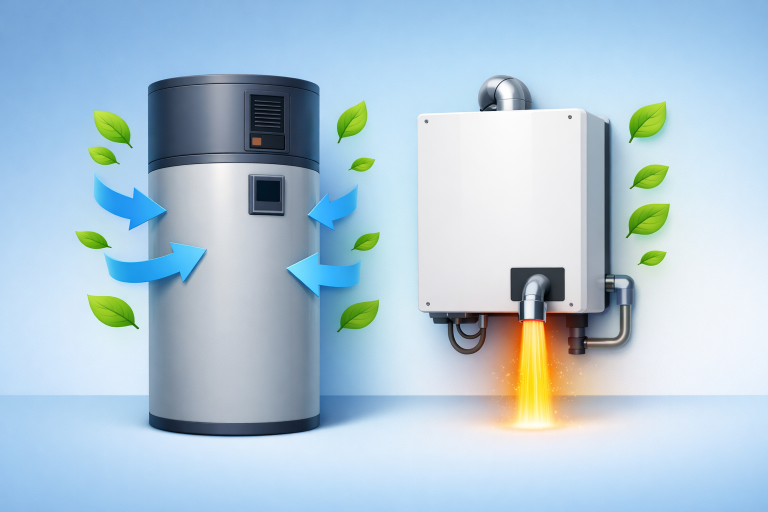
The market for water heaters has evolved rapidly, with two standout categories emerging as leaders in energy savings and convenience: heat pump water heaters and tankless (on-demand) models. Deciding between them depends on your household’s unique needs, budget, and future plans.
Heat Pump Water Heaters
Unlike conventional electric resistance water heaters, heat pump models extract heat from the surrounding air and use it to warm water. This method of heat transfer makes them up to four times more efficient, translating into real savings every month. The U.S. Department of Energy notes that these units are an excellent option for homes in moderate to warm climates and perform best in spaces with good airflow.
Tankless Water Heaters
Tankless, or on-demand, water heaters provide hot water only when a faucet or appliance calls for it. By heating water only as needed, homeowners avoid the standby losses characteristic of traditional storage heaters. According to the U.S. Department of Energy, homes using 41 gallons or less of hot water daily can expect tankless units to be 24% to 34% more energy efficient than conventional storage tank heaters.
Financial Benefits of Upgrading
One of the primary motivations for upgrading to a modern water heater is directly financial. Electric resistance models, commonly found in older homes, are especially costly to operate due to their limited efficiency. Replacing one of these with a heat pump or tankless water heater can cut annual utility expenses by about $170.
Selecting high-efficiency upgrades requires expert knowledge to ensure compatibility with existing systems. Working with an experienced service team, such as Davis Air Conditioning & Heating, Inc., can simplify the process by providing comprehensive system evaluations and professional recommendations. Taking a proactive approach to your home upgrades helps ensure proper equipment sizing, which can maximize your monthly utility savings over time.
Over the lifespan of a water heater, those savings add up, making this investment an excellent financial choice for the average homeowner.
Environmental Impact
Reduced energy use translates directly into environmental gains. As new efficiency standards are adopted, the U.S. Department of Energy expects water heaters nationwide to cut carbon dioxide emissions by up to 332 million metric tons over 30 years. This reduction is equivalent to removing the combined annual emissions of nearly 43 million homes. These savings help align individual choices with national and global sustainability goals.
Upcoming Energy Efficiency Standards
Efficiency standards for water heaters are set to change in 2029, requiring the most common residential electric water heaters to utilize heat pump technology. These federal requirements are expected to generate $11.4 billion in consumer savings annually, along with additional reductions in water usage. These standards will make efficient water heaters the default choice for new installations and replacements, ultimately benefiting homeowners and the environment alike.
Considerations for Homeowners
While the benefits are clear, not every home has identical needs. Factors such as the size of your family, daily water usage, local climate, and available installation space will all influence your choice of water heater. Homeowners are encouraged to consult a professional before making this important investment. An expert can assess your situation, recommend the best technology, and ensure a smooth transition to a greener, more cost-effective water heating setup.
Selecting a professional team for installation ensures that the new equipment functions at peak efficiency. Local heating and cooling specialists can correctly evaluate household requirements and handle necessary plumbing adjustments safely. Property owners who want to secure expert setup and ongoing support can Visit our Louisville location to coordinate with qualified technicians ready to optimize home utility systems.
Additional Factors to Consider When Upgrading
In addition to energy savings and environmental considerations, modern water heaters offer greater installation flexibility. Many systems are now compatible with smart home technology, allowing for remote monitoring, usage tracking, and maintenance reminders. These digital features can help you spot any dips in efficiency and arrange necessary service before bigger issues arise. Also, some modern units are eligible for local rebates and federal tax incentives, which can help offset the initial investment cost, making the switch even more attractive. Homeowners should inquire about these potential savings with their utility provider or contractor as part of their decision-making process.
Furthermore, the lifespan and warranty coverage of today’s water heaters have improved significantly. Modern heat pump models can last up to 15 years with proper maintenance, and tankless water heaters often boast even longer lifespans. Longer manufacturer warranties also provide peace of mind, helping protect your investment over time. Take the time to compare warranties and service agreements when choosing a model, as these can vary between brands and installers. Proactive maintenance, such as periodic flushing and scheduled inspections, is recommended to maximize lifespan and efficiency.
Best Practices for Making the Switch
When planning to upgrade your water heater, it’s wise to research local plumbing contractors with a proven track record in modern system installations. Request comprehensive quotes that include the cost of materials, labor, permits, and haul-away of your old unit. Be clear about your home’s hot water needs and ask contractors about sizing calculations, which are crucial for ensuring optimum performance. It’s equally important to verify that your installer is licensed and familiar with local building codes, as adhering to regulations will help guarantee a safe and reliable installation. Ultimately, making an informed, well-researched choice is the key to reaping the full benefits of today’s cutting-edge water heater technology.
Conclusion
Upgrading to one of today’s modern water heaters brings together reliability, energy efficiency, cost savings, and a lower carbon footprint. With new regulations increasing efficiency every year and installation options available both locally and nationwide, there has never been a better time to make the switch. Consider your household’s needs and consult a trusted professional. The investment in your comfort and sustainability will pay off for years to come.
