
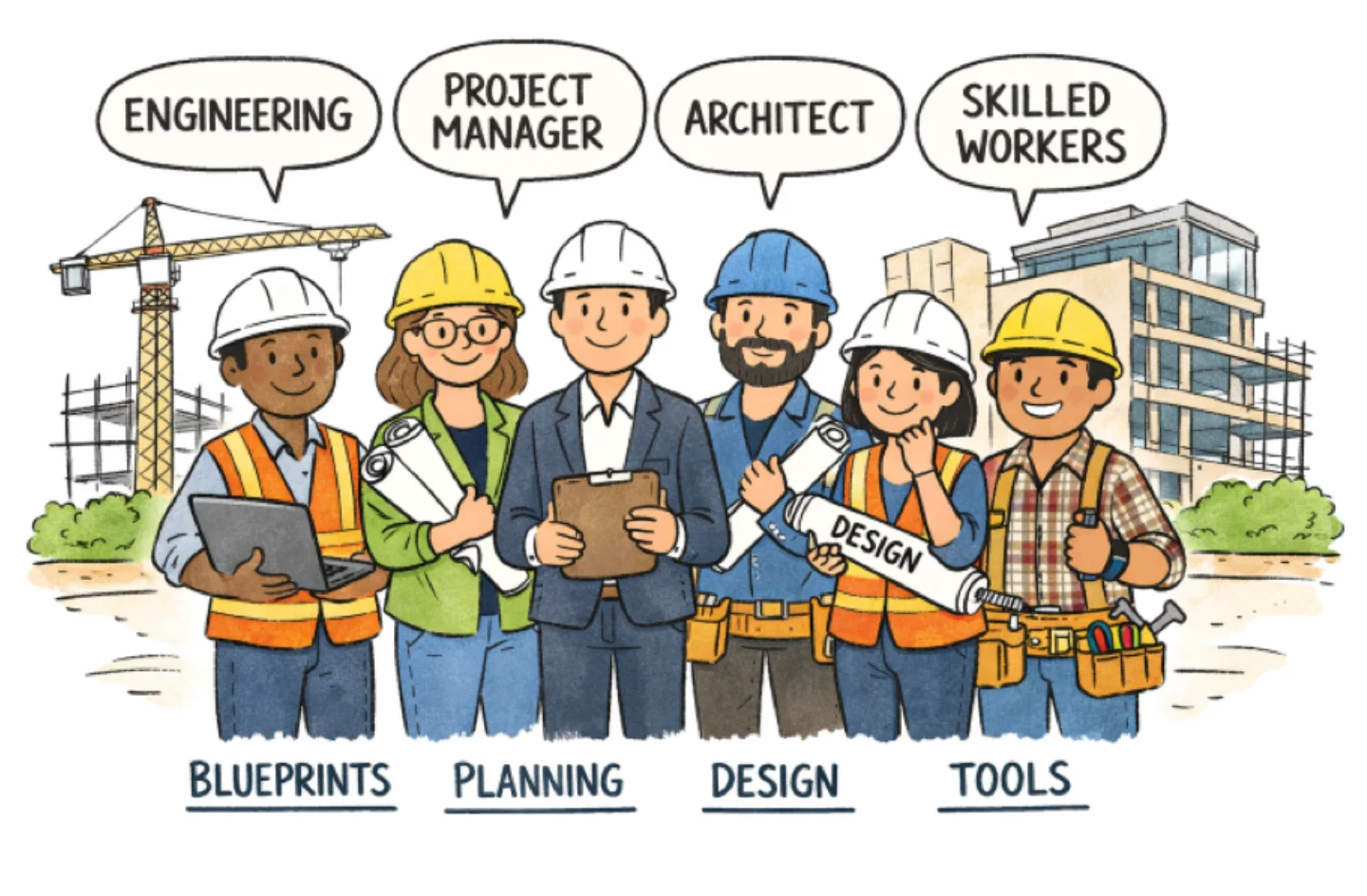
Entering the construction industry today opens the door to a variety of dynamic opportunities. No longer limited to traditional trades, construction welcomes individuals from diverse backgrounds, skills, and interests. Modern employers and organizations like Abcksmo.org now support expanded learning and engagement, making it easier than ever to explore a rewarding future in this vital field.
Construction roles now include technology, sustainable building, and a diverse range of project management tasks. With the support of progressive educational programs, apprenticeships, and industry mentorship, new talent can find personalized pathways into construction, ensuring lasting impact and professional growth.
Diverse Roles in Modern Construction
Today’s construction sector is a vibrant environment where a wide range of roles is available to ambitious professionals. Beyond staple jobs like carpentry and electrical work, the industry has grown to offer careers in areas such as data modeling, design, sustainability, and compliance. This diversified approach enables those with an interest in design technologies or project orchestration to shine. The need for project managers, environmental engineers, safety coordinators, and digital modelers is on the rise, reflecting the industry’s commitment to safety, efficiency, and innovation.
Educational Pathways and Apprenticeships
Accessible educational pathways are redefining how people enter construction careers. Programs, such as Careers in Construction Colorado, have gained traction for their ability to blend practical experience with classroom learning. These hands-on environments allow students, young professionals, and career changers to gain critical skills by working directly with experts on real job sites. Complementing these are registered apprenticeships that mix industry practice with formal training. Apprenticeship programs often lead to certification, helping new entrants stand out and progress quickly in construction roles.
Women in Construction
The construction industry is seeing positive shifts as more women take on meaningful roles. World-class companies, trade associations, and advocacy groups have ramped up recruitment and retention efforts for women, who have historically been underrepresented in the trades. Organizations promote workplace inclusion through networking, peer mentorship, and leadership development programs. These efforts help dismantle traditional barriers and open new doors for women to excel in areas such as project management, skilled trades, and executive leadership. As momentum grows, the visibility and impact of women in construction continue to expand, inspiring the next generations to enter the field.
Technology Integration and New Career Paths
Technology is reshaping construction at every level, introducing innovative roles and career tracks. Professionals with backgrounds in IT, software, and digital modeling are now vital to delivering projects on time and within budget. Construction companies rely on experts in Building Information Modeling (BIM), digital surveying, and robotics to create safer and more cost-effective processes. These emerging roles attract talent from tech-forward industries and appeal to those who are passionate about leveraging cutting-edge tools to transform the built environment. The intersection of construction and technology fosters greater collaboration, accuracy, and sustainability, meeting the growing demand for smarter buildings and infrastructure across the country.
Importance of Clear Career Progression
Defined career progression pathways benefit both employees and employers. When workers can easily identify the steps required for advancement, they are more likely to stay invested in their companies and pursue long-term growth. This clarity improves job satisfaction and supports retention, which is crucial as industries compete for top talent. Employers who prioritize transparent advancement opportunities attract highly motivated individuals eager to learn, progress, and mentor others. Many firms now provide structured on-the-job training, leadership development, and upskilling programs, resulting in a stronger pipeline of leaders and a more resilient workforce.
Addressing the Labor Shortage
The challenge of recruiting and retaining new construction workers is persistent. As seasoned tradespeople retire, the gap between open positions and qualified candidates continues to widen. Industry groups and companies use innovative outreach such as virtual job fairs, high school partnerships, and accelerated training programs to attract newcomers. Tailored marketing efforts and early recruitment are helping young adults see the range of possibilities within construction. Practical responses such as rapid upskilling, mentorship, and flexible work arrangements are key to attracting a broader, more diverse talent pool. As noted in the New York Times, these strategies are vital for maintaining growth and resilience in the sector.
Conclusion
Pursuing a career in construction offers more choices and faster professional growth than ever before. Technological advancements, progressive training programs, and broader inclusion initiatives ensure that anyone interested in building the world of tomorrow can find a fulfilling role. Whether starting through an apprenticeship, moving into specialized tech, or joining a diverse project management team, the modern construction industry is rich with opportunity and ready to welcome talent from every background.

David Weber is an experienced writer specializing in a range of topics, delivering insightful and informative content for diverse audiences.