
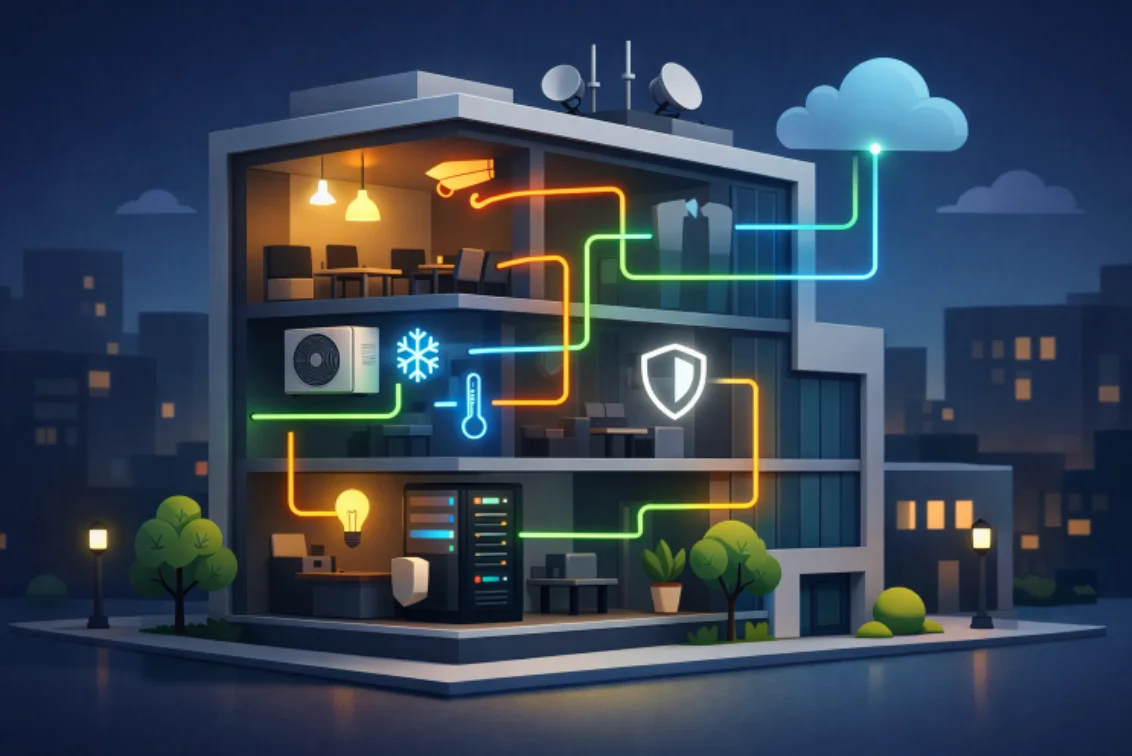
In today’s fast-paced business environment, the integration of smart building technologies is reshaping workplaces for the better. The deployment of advanced systems, sensors, and data analytics within buildings can lead to dramatic improvements in efficiency, sustainability, and employee wellness. Companies are turning to innovative service providers, such as the electrical company Kansas City by Fusion Electric, to bring these new capabilities to life, driving greater workplace value by leveraging technology for comfort, safety, and savings.
Smart building solutions are becoming a mainstay as organizations recognize the importance of seamless building management, operational cost reduction, and environmentally conscious practices. With intelligent infrastructure, buildings can adapt to real-time needs, enhance security, and create flexible environments that support both business goals and employee well-being. The growing adoption of automation and Internet of Things (IoT) platforms allows workplaces to collect actionable data, optimize building performance, and satisfy the demands of a dynamic workforce. When integrated with cloud management and machine learning, these tools move buildings from static utility to dynamic, responsive work environments. Beyond mere convenience, smart building strategies can transform work culture by reducing carbon footprints, enhancing safety, and fostering productivity in new, data-driven ways. As the trend accelerates, it becomes clear that businesses must prioritize smart building investment to stay competitive and sustainable.
Introduction to Smart Buildings
Smart buildings are facilities designed to leverage interconnected systems, using sensors, microchips, and automation to manage operations such as heating, ventilation, lighting, and security. Integrated data-driven controls promote adaptive climates, reduce resource waste, and provide actionable insights for operations. Not only do these environments enhance comfort and safety, but they also streamline costs and support overall business functionality.
Energy Efficiency and Cost Savings
One of the core advantages of smart building adoption is the remarkable reduction in energy use, which directly translates into lower operational costs. Automated sensors can sense occupancy, adjust lighting or climate controls, and optimize energy use in real time. Modern systems, such as cloud-based management platforms, enable monitoring and automated scheduling of HVAC systems and lighting based on demand, minimizing unnecessary use. By leveraging these technologies, businesses achieve not only financial savings but also operational efficiency.
Enhancing Security Through Technology
Smart buildings are equipped with next-generation security protocols and infrastructure. These include integrated surveillance cameras, biometric or key card access systems, and real-time monitoring controls. The combination of these solutions within a central management system provides quick response capabilities and more robust protection against events such as unauthorized entry and cyber threats. Prompt notifications and analytics help security teams address concerns before they escalate, making workplaces significantly safer for employees and visitors alike.
Promoting Sustainability in the Workplace
Carbon reduction and sustainability are top priorities for many businesses. Smart technology in buildings supports these aims by reducing unnecessary waste and optimizing energy and water use. Automated lighting that adapts to daylight availability, water-leak sensors, and efficient HVAC all help reduce a building’s environmental impact. Research shows that intelligent building management systems are instrumental in driving the transition to net-zero emissions and greener corporate spaces.
Improving Employee Well-being and Productivity
Modern smart buildings are engineered to provide optimal comfort and personalized work experiences that benefit employee health and performance. Features such as automated air quality sensors, ergonomic lighting, and configurable workspaces contribute to reduced stress, fewer sick days, and a more engaged workforce. IoT-enabled workstations can be adjusted to individual preferences, supporting greater satisfaction and productivity by empowering workers to fine-tune their immediate environment for maximum comfort.
Case Study: 10 World Trade, Boston
In Boston’s Innovation District, the 10 World Trade development showcases the integration of smart building technologies on a broad scale. Engineered with robust indoor 5G connectivity, it supports seamless wireless service for all tenants and visitors. By enabling high-speed communications and IoT device management, the building offers a flexible, future-ready workspace. The facility’s technology foundation supports security systems, energy automation, and data-driven tenant services for improved workplace outcomes.
Challenges and Considerations
Despite their many advantages, smart buildings are not without challenges. Upfront investment costs can be significant, making budgeting and long-term planning essential. Integration with existing systems sometimes presents compatibility and training hurdles. Concerns about privacy and cybersecurity are top of mind, given the large volumes of sensitive employee and operational data that must be protected. Organizations must balance ease of use and openness with robust controls and regular security audits to mitigate risk.
Future Trends in Smart Workspaces
The evolution of smart buildings is far from over. Looking ahead, broader adoption of artificial intelligence will power predictive maintenance, resource allocation, and even automated cleaning and safety protocols. Augmented reality tools are beginning to assist facility managers with remote troubleshooting. The Smart Building as a Service (SBaaS) model is likely to become prevalent, allowing companies to purchase managed building systems rather than owning infrastructure outright. These innovations promise to keep improving operational efficiency, sustainability, and adaptability for years to come.
Smart buildings clearly represent a fundamental shift in how companies approach workspace management. With ongoing advances in technology, data analytics, and system interoperability, organizations have new opportunities to create cost-effective, secure, healthy, and sustainable environments for both their people and the planet.
Conclusion
Smart buildings are transforming modern workplaces by combining advanced technology with energy efficiency, security, and sustainability. By integrating IoT, automation, and intelligent systems, businesses can reduce operational costs while creating safer, more comfortable environments for employees. As technology continues to evolve, smart building solutions will play an increasingly important role in shaping productive, adaptable, and future-ready workspaces.

David Weber is an experienced writer specializing in a range of topics, delivering insightful and informative content for diverse audiences.