
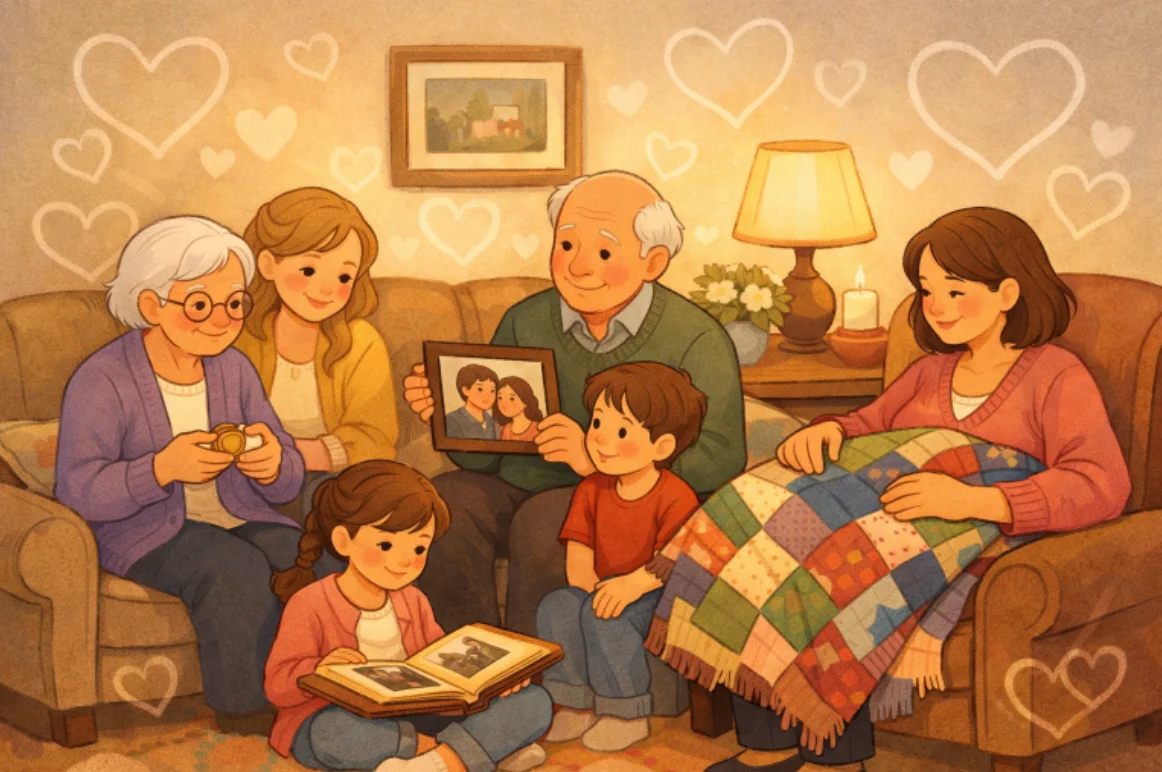
Memorial gifts serve as heartfelt tributes to those we have lost, offering tangible ways to cherish and preserve cherished memories. Whether through personalized keepsakes or collective acts of remembrance, these tokens provide comfort to the bereaved and a meaningful connection to those who have passed on. For individuals seeking to honor a loved one in a larger context, you can also make a tribute gift to a charity that supports causes that reflect their life and passions. The act of giving or receiving a memorial gift can create a bridge between the pain of loss and the joy of shared memories. These gifts help those grieving feel supported and understood, providing both solace and a lasting bond with the departed. Through handcrafted items, community memorials, and meaningful rituals, people can maintain connections and find new ways to heal after loss.
The Role of Memorial Gifts in Grieving
Grieving is an intensely personal experience that unfolds in its own time for each individual. Memorial gifts can play an essential role in this process, offering comfort through physical reminders of the loved one. Tangible items such as keepsakes, photographs, or unique mementos help people process their emotions by keeping memories present. Creating keepsakes, like hand molds or heartbeat recordings, has become a powerful way for families to honor and celebrate the unique aspects of their relationships. Memorial gifts not only serve as enduring reminders of someone’s presence but can also become healing tools in navigating grief. These tokens offer a tactile, visible element to remembrance, helping the bereaved cope with the changes brought about by loss. The simple act of holding a memorial keepsake or engaging with a personalized item can bring about moments of peace, grounding loved ones in memories that continue to provide strength as they move through their grief.
Personalized Keepsakes: A Source of Comfort
One of the most cherished forms of memorial gifts is the personalized keepsake. Custom jewelry, engraved picture frames, or items handcrafted by local artists provide comfort that extends beyond the initial period of mourning. These personalized pieces often reflect the loved one’s attributes, hobbies, or passions, reinforcing their presence in daily life. For example, a glass art piece inspired by a departed child’s favorite toy can become a sacred artifact within a family. Such keepsakes encourage the ongoing celebration of a loved one’s personality and story. The process of choosing or designing a personalized keepsake is also profoundly meaningful for many families. It allows them to reflect on special characteristics or beloved memories, further strengthening their connection to the departed. Moreover, keepsakes become family heirlooms, passed down through generations, ensuring that memories are preserved and actively shared. Some families create collections of keepsakes over time, such as jewelry, quilts, photo albums, or even recipe books, that tell the ongoing story of the people they miss. In essence, these keepsakes offer daily comfort while also helping future family members learn about their heritage and history.
Community Memorials: Healing Together
Shared acts of remembrance, such as attending memorial services or participating in symbolic rituals like butterfly releases, foster a sense of communal support. These events bring people together, allowing mourners to share stories and collectively remember the life and impact of the person who has died. Community memorials are especially important during milestones, anniversaries, or holidays, when grief may resurface with greater intensity. Events designed for collective healing provide spaces for reflection and reinforce that no one must walk the path of grief alone. Community-driven memorials often lead to the establishment of support networks and ongoing traditions that benefit everyone involved. For example, annual tree plantings, community garden dedications, or scholarship funds can become sources of hope and pride, reminding participants of the positive ways a loved one’s legacy continues to touch others. These events offer opportunities to cultivate empathy and resilience in a shared space, strengthening relationships among friends, family, and neighbors. As more people take part in collective rituals, the rippling impact of remembrance extends further, reinforcing the idea that grief, while deeply personal, need not be faced alone.
Incorporating Memorial Gifts into Traditions
Many families find comfort in weaving remembrance into their traditions. This may involve dedicating an ornament to a loved one on a holiday tree, lighting a candle on birthdays or significant anniversaries, or creating a memory box filled with letters and special tokens. These small acts keep the memory close and provide moments for quiet reflection, connection, and celebration, helping to ease the pain of loss over time. Memorial gifts become living parts of rituals, keeping loved ones involved in the rhythm of family life. Even simple daily or seasonal rituals, like setting an extra place at the table or reading a favorite poem, can infuse everyday life with remembrance. For some, participating in community walks or charity events in their loved one’s name has become a new tradition that reinforces both the memory of the departed and the values that defined their life. By regularly incorporating memorial gifts and acts into these observances, families and communities benefit from the sense of continuity and shared purpose these traditions create.
Supporting Others Through Memorial Gifts
Thoughtful gestures, such as giving memorial gifts to friends or family members coping with loss, can be a profound expression of empathy and solidarity. Gifts might include comfort items, such as soft blankets or journals, or charitable donations made in the deceased’s name. These acts reassure the grieving that their loved ones have not been forgotten and that they are not alone in their sorrow. Expressing care in tangible ways can be as meaningful as any words of support. The practice of giving memorial gifts can also inspire others to reach out and show compassion during difficult times. When people see kindness in action, whether through a handwritten note, a handcrafted commemorative item, or a meal delivered to someone’s door, they are often encouraged to continue these acts of service. This gentle ripple effect contributes to a culture of empathy and meaningful connection during periods of hardship, highlighting the enduring impact of small acts of remembrance for individuals and the wider community.
Conclusion
Memorial gifts are more than objects; they are vessels of memory, understanding, and hope. By exchanging tokens of remembrance, participating in community rituals, and weaving traditions into our healing process, we celebrate the lives of those we have lost. These gifts provide comfort, continuity, and a lasting bond. For those navigating the journey of grief, memorial gifts offer an enduring reminder that love endures, even in the face of loss. Ultimately, the impact of a memorial gift reaches far beyond its physical form. Through reaffirming shared stories, personalizing keepsakes, or engaging in meaningful acts of remembrance, we ensure that the legacies of our loved ones continue to inspire and uplift us. In times of grief, these gestures light a path toward healing, allowing us to transform loss into ongoing love and contribution. As each memory is honored, grief is woven into the fabric of everyday life, not as a burden, but as a testament to enduring connection and care.

David Weber is an experienced writer specializing in a range of topics, delivering insightful and informative content for diverse audiences.