
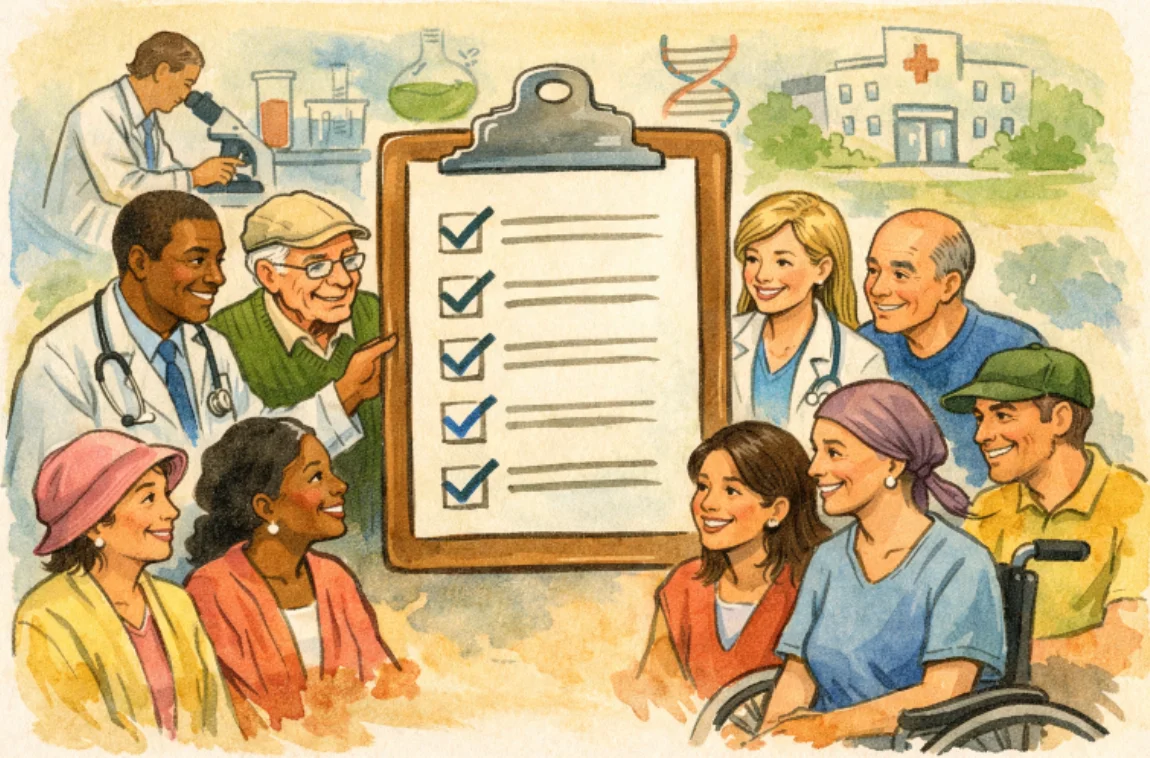
Clinical trials form the bridge between scientific discovery and patient care, offering the rigorous evidence needed to bring new drugs, devices, and therapies to the public. In today’s rapidly changing medical landscape, understanding what are clinical trials is more vital than ever. These structured investigations help elucidate safety profiles, determine effective dosing, and ensure that only the most scientifically validated treatments reach patients.
In recent years, the field has undergone a transformation thanks to technological advances, innovative study designs, and dynamic regulatory shifts. Modern clinical trials are now designed with efficiency and patient experience in mind, releasing breakthroughs into real-world practice at a faster pace while maintaining rigorous standards.
The Importance of Clinical Trials
Without clinical trials, there would be no systematic method to transition scientific progress into medical practice. Their structured approach allows researchers to closely assess new therapies, monitor participants for side effects, and guarantee that patient safety remains a top priority. Trials define whether an intervention outperforms existing treatments or whether a new molecule is worth developing at all. These assessments underpin every medical advancement, from vaccines to cancer treatments.
Clinical trials also serve as a critical educational tool for both medical professionals and the broader public. Through the dissemination of trial results, healthcare providers gain critical insights that can shape standard-of-care practices and inform treatment recommendations. Patients, families, and advocacy groups benefit from the transparency and data brought about by these studies, which in turn can empower individuals to make more informed healthcare decisions. This shared knowledge fundamentally shapes a more health-literate society and ensures that progress is not confined solely to laboratory environments but extends to everyday patient experiences.
Recent Innovations in Clinical Trials
The pace and design of trials are rapidly evolving. Platform trials, such as the HEALEY ALS Platform Trial, support concurrent testing of several experimental therapies in a single protocol. This model accelerates research, minimizes costs, and increases the speed at which promising therapies are identified.
Adaptive trial designs are another innovation reshaping the research landscape. These approaches allow for real-time modification of study parameters, such as altering dosages, swapping out ineffective interventions, or expanding successful cohorts, based on interim results. This flexibility accelerates discovery and allows more personalized interventions to emerge much faster than traditional static models. Combined with digital patient-reported outcomes and wearable technology, these methodological improvements are helping increase trial accessibility and shorten the path from bench to bedside.
The Role of AI in Modern Trials
The integration of artificial intelligence into clinical trial design and monitoring is driving efficiency and precision. Agencies such as the FDA are developing AI tools to track trials in real time, aiming to reduce red tape and respond quickly to critical data signals. This use of technology not only expedites research but also can improve patient safety by promptly identifying adverse events or trends as they arise. The hope is that by reducing administrative burden and accelerating timelines, more life-changing treatments will become available sooner.
AI’s rapidly expanding footprint includes predicting which patients are most likely to benefit from certain therapies, optimizing site selection, and even streamlining paperwork through natural language processing. As AI algorithms grow more sophisticated, they are enabling researchers to analyze massive datasets with unprecedented speed, revealing subtle safety signals or efficacy trends far earlier in the process. The integration of AI-driven patient recruitment platforms also addresses historical challenges, boosting trial enrollment and diversity by targeting outreach more effectively and minimizing bias in the selection process.
Regulatory Changes and Their Impact
Governments worldwide are recognizing the importance of modernizing clinical trial regulations to reflect the new realities of research. The UK’s sweeping updates to trial law aim to strike a balance between innovation, patient safety, and expedited approval pathways. These regulatory changes are intended to remove barriers without sacrificing the thorough evaluation that ensures public trust in new therapies. More about the potential of regulatory evolution can be found through resources on Clinical Trials regulations signed into law.
Besides national reforms, increased global regulatory collaboration is worth noting. Harmonized guidelines across regions are streamlining multi-country studies, enabling trials to scale up more effectively and bringing much-needed consistency to the regulatory review process. Initiatives like the International Council for Harmonisation (ICH) further support the creation of unified standards, making it easier for sponsors to conduct research across borders. This globalization of trial oversight ultimately helps therapies reach broader patient populations.
Patient Participation and Its Significance
Central to every clinical trial are the participants whose involvement makes progress possible. Today, fostering greater patient engagement is vital, not only for ensuring representative data but also for improving trial retention and outcomes. Efforts are underway to simplify enrollment, reduce procedural burdens, and communicate benefits and risks with transparency. These strategies help broaden access to research and ensure findings are relevant across diverse populations.
Increasingly, patient advocacy groups and community liaisons are involved in protocol development, ensuring that research is designed with the real-world needs and concerns of participants in mind. By actively engaging patients as partners in research, studies are more likely to address practical health challenges and report outcomes meaningful to patients themselves. Virtual trial visits, multilingual educational materials, and mobile healthcare teams further enhance inclusivity and accessibility, ultimately providing more reliable and actionable trial results.
Challenges Facing Clinical Trials
Despite improvements, significant obstacles remain. Recruitment often struggles to meet diversity and volume goals. Clinical trial costs are high, and lengthy timelines persist. Translating promising results into everyday clinical practice can also be slow. These hurdles require continued innovation and collaboration between industry, academia, and regulators to address and overcome.
Another enduring challenge is the management and sharing of complex trial data while maintaining confidentiality and security. The sensitive nature of patient data demands stringent cybersecurity measures to prevent breaches, even as the industry shifts toward more open-data practices to enhance reproducibility. Additionally, healthcare disparities may inadvertently be magnified if trial participation remains inaccessible for underrepresented or marginalized groups. Only ongoing vigilance, community engagement, and innovative outreach can ensure that the benefits of clinical research are truly universal.
The Future of Clinical Research
The next era of clinical trials will leverage everything from digital twins to decentralized trial methods. Digital twins allow researchers to model patient outcomes virtually, potentially reducing the need for large control groups and shrinking both timelines and costs. Increased use of remote monitoring and data-capture devices may further broaden access, allowing more patients to participate regardless of geography. These advancements promise that clinical trials will become faster, more affordable, and more tailored to individual patients’ needs.
Looking ahead, continuous monitoring using biosensors and real-time analytics will likely become standard practice. These technologies will provide clinicians and researchers with an uninterrupted stream of patient data, driving proactive rather than reactive medical interventions. In parallel, advances in genomics and personalized medicine will further individualize trial protocols, transforming one-size-fits-all models into bespoke investigations that align with the unique genetics or lifestyles of each participant. As the field adopts a more interdisciplinary approach, integrating data science, social sciences, and even ethics, clinical research will evolve to answer not only which therapies work, but for whom, and why.
Conclusion
Clinical trials remain the gold standard for assessing the value of new medical interventions. By embracing new technologies, supporting thoughtful regulation, and keeping patient engagement at the forefront, the medical community is poised to bring the benefits of scientific progress to patients more quickly and reliably. As these changes take shape, the future of clinical research shines brighter, with the promise of safer and more effective treatments for all.

David Weber is an experienced writer specializing in a range of topics, delivering insightful and informative content for diverse audiences.