
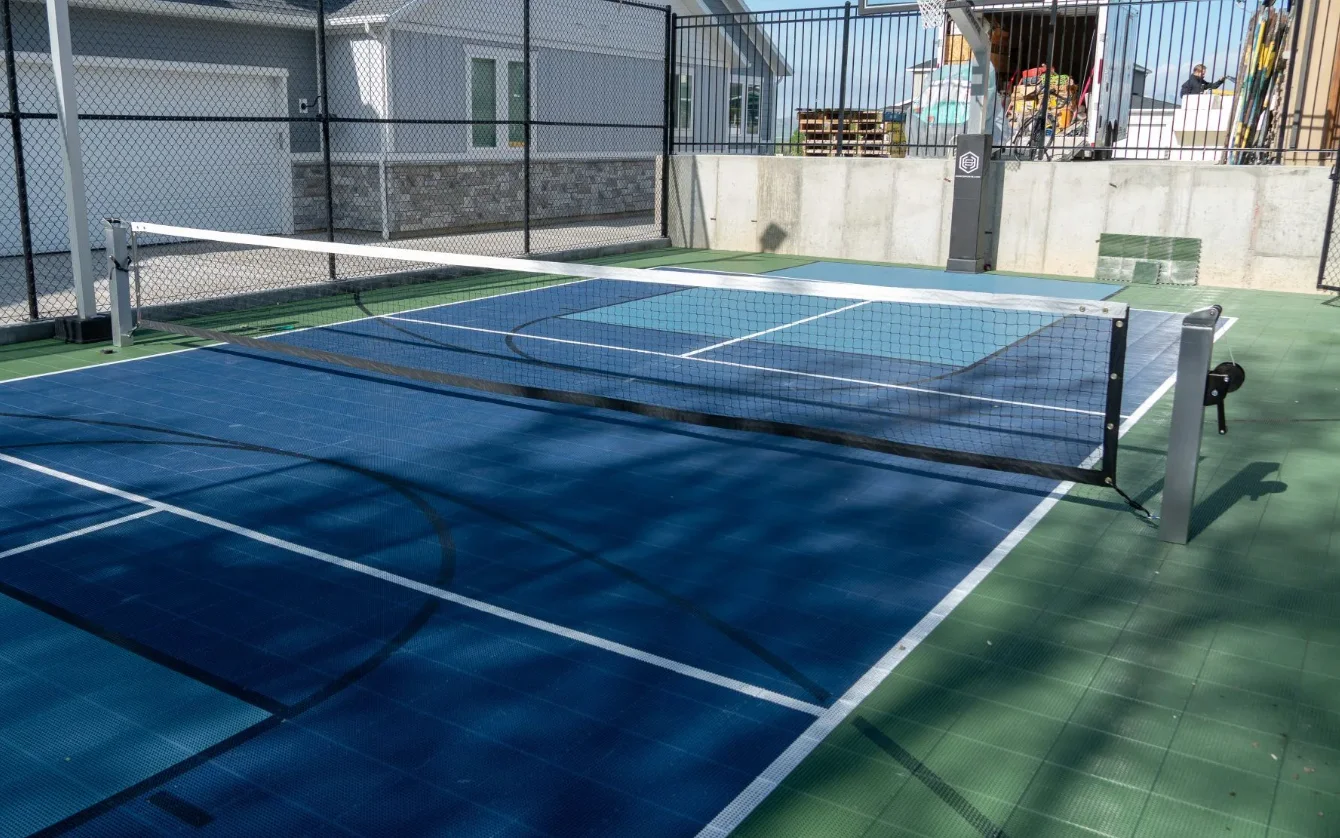
Pickleball continues to attract homeowners who want a practical and entertaining outdoor feature that supports regular activity and social gatherings. Planning the right installation timeline plays a major role in achieving a smooth construction process and a durable playing surface. Weather conditions, contractor availability, material curing time, and yard preparation all influence how quickly a residential court can be completed.
A carefully planned schedule also helps homeowners avoid delays and unnecessary repair costs later. Before construction begins, it is important to understand the pickleball court dimensions so the available backyard space can support proper measurements, fencing, and safe movement around the court. A standard installation sometimes takes several weeks from planning to final surface coating, especially when weather conditions shift during construction.
The Best Installation Seasons
Spring and early fall are considered the most practical seasons for pickleball court installation. Mild temperatures help construction crews maintain a steady workflow without long interruptions caused by excessive heat or heavy rain. These seasons also support consistent curing times for play zone surfaces.
Summer installations are still possible, but high temperatures can slow down certain phases of the process. Winter projects sometimes take longer because colder weather may affect excavation schedules and surface curing periods. Homeowners who install courts during moderate weather conditions usually experience more predictable project timelines.
Typical Seasonal Timeline
Winter: Planning, Contractor Selection, And Permits
Winter is the most practical time to organize the entire installation schedule before construction season becomes busy. Homeowners typically use this period to compare contractor availability, finalize budgets, review property measurements, and complete permit applications. Early planning during winter also creates enough flexibility for material ordering and scheduling adjustments before outdoor work begins.
Spring: Ground Preparation And Surface Installation
Spring usually marks the beginning of active construction because weather conditions become more stable and suitable for outdoor work. Contractors sometimes start excavation, leveling, drainage preparation, and base installation during this season. Asphalt or concrete surface installation is also commonly completed in spring since moderate temperatures support smoother curing and reduce weather-related delays.
Summer: Surface Coating And Final Adjustments
Summer is generally reserved for surface coatings, court striping, fencing installation, and equipment setup. Dry conditions during this season help coating materials settle properly and allow contractors to complete final adjustments without frequent interruptions from rain. Homeowners also gain enough time to inspect the court thoroughly before regular recreational use begins.
Early Fall: Late-Season Installations With Stable Weather
Early fall works well for homeowners who begin their projects later in the year but still want dependable installation conditions. Cooler temperatures and lower humidity sometimes create a steady environment for surface work, final curing, and confirming that the pickleball court dimensions have been properly marked before completion. Contractors can also complete late-season projects more efficiently before colder weather starts affecting construction timelines.
Avoid Common Scheduling Delays By Calling the Professionals
Many homeowners experience delays because of incomplete permits or poor drainage planning. Booking contractors early helps secure preferred construction dates during busy seasons. Material shortages may also impact project timing during peak demand periods.
Routine communication with installers keeps the project moving efficiently. Homeowners who prepare utilities, access points, and landscaping ahead of time sometimes experience a smoother installation process. A realistic timeline allows enough flexibility for weather changes while still supporting high-quality construction results.
A well-planned pickleball court installation timeline helps homeowners avoid delays, manage costs, and achieve a long-lasting playing surface. By starting the planning process early, choosing the right season for construction, and working with experienced professionals, homeowners can create a court that is ready for safe and enjoyable use throughout the year.

David Weber is an experienced writer specializing in a range of topics, delivering insightful and informative content for diverse audiences.