
Table of Contents
- Why Seasonal Home Care Matters
- Spring Checklist: Prepare for Cooling Season
- Summer Checklist: Keep Cooling Systems Steady
- Fall Checklist: Get Ready for Colder Weather
- Winter Checklist: Protect Heat and Safety
- Indoor Air Quality Basics
- Electrical Checks Homeowners Should Not Ignore
- When to Call a Qualified Professional
- A Simple Year-Round Maintenance Plan
- Frequently Asked Questions
Northern Virginia homes handle humid summer stretches, cool shoulder seasons, winter cold snaps, and sudden storms that can put heating, cooling, ventilation, water heating, and electrical systems under extra pressure. A simple seasonal routine helps homeowners notice developing issues before comfort or safety is affected.
Whether you live in Woodbridge, Fairfax, Alexandria, or another nearby community, knowing when to schedule routine checks and when to seek heating services in Northern Virginia can make home maintenance less stressful. The goal is not to perform complex repairs yourself. It is to keep equipment clear, monitor warning signs, and bring in a qualified professional when a problem involves safety or specialized work.
Why Seasonal Home Care Matters
Heating and cooling equipment work hardest when outdoor temperatures are most demanding. Filters, airflow, drainage, thermostat settings, and outdoor-unit clearance can all influence how consistently the system runs. Seasonal attention can also reveal water leaks, unusual sounds, weak airflow, or cycling problems before the busiest part of the season arrives.
A professional visit commonly includes checks of controls, electrical connections, moving components, drainage, airflow, and equipment operation. The recommended pre-season maintenance steps emphasize scheduling cooling service in spring and heating service in fall, before contractors are busiest.
Spring Checklist: Prepare for Cooling Season
- Inspect the air filter and clean or replace it according to the filter and equipment instructions.
- Remove leaves, grass clippings, and loose debris from around the outdoor air conditioner or heat pump.
- Confirm that supply vents and return grilles are open and not covered by furniture, rugs, or boxes.
- Test the thermostat by switching to cooling mode on a mild day and checking that it responds properly.
- Look around the indoor equipment for water near the condensate line, drain pan, or floor.
- Arrange an inspection if the system struggled, made persistent noises, or failed to cool evenly last summer.
Summer Checklist: Keep Cooling Systems Steady
During a Northern Virginia summer, restricted airflow can leave rooms feeling warmer and force equipment to run longer. Keep interior doors, vents, and return pathways clear. Watch for weak airflow, warm air from registers, frequent on-and-off cycling, water around the indoor unit, or a noticeable change in normal energy use.
Use blinds or shades during direct sun, seal obvious gaps around doors and windows, and avoid leaving exterior doors open unnecessarily. Set the thermostat to a comfortable, consistent temperature rather than making frequent extreme adjustments. Refrigerant work, electrical repairs, and internal coil cleaning should be handled by trained technicians.
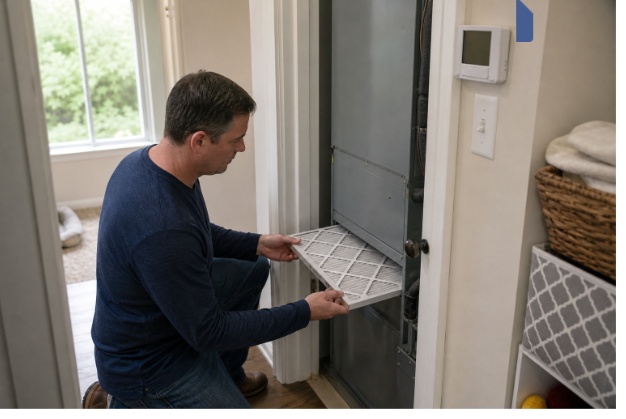
Table of Contents
- Why Seasonal Home Care Matters
- Spring Checklist: Prepare for Cooling Season
- Summer Checklist: Keep Cooling Systems Steady
- Fall Checklist: Get Ready for Colder Weather
- Winter Checklist: Protect Heat and Safety
- Indoor Air Quality Basics
- Electrical Checks Homeowners Should Not Ignore
- When to Call a Qualified Professional
- A Simple Year-Round Maintenance Plan
- Frequently Asked Questions
Northern Virginia homes handle humid summer stretches, cool shoulder seasons, winter cold snaps, and sudden storms that can put heating, cooling, ventilation, water heating, and electrical systems under extra pressure. A simple seasonal routine helps homeowners notice developing issues before comfort or safety is affected.
Whether you live in Woodbridge, Fairfax, Alexandria, or another nearby community, knowing when to schedule routine checks and when to seek heating services in Northern Virginia can make home maintenance less stressful. The goal is not to perform complex repairs yourself. It is to keep equipment clear, monitor warning signs, and bring in a qualified professional when a problem involves safety or specialized work.
Why Seasonal Home Care Matters
Heating and cooling equipment work hardest when outdoor temperatures are most demanding. Filters, airflow, drainage, thermostat settings, and outdoor-unit clearance can all influence how consistently the system runs. Seasonal attention can also reveal water leaks, unusual sounds, weak airflow, or cycling problems before the busiest part of the season arrives.
A professional visit commonly includes checks of controls, electrical connections, moving components, drainage, airflow, and equipment operation. The recommended pre-season maintenance steps emphasize scheduling cooling service in spring and heating service in fall, before contractors are busiest.
Spring Checklist: Prepare for Cooling Season
- Inspect the air filter and clean or replace it according to the filter and equipment instructions.
- Remove leaves, grass clippings, and loose debris from around the outdoor air conditioner or heat pump.
- Confirm that supply vents and return grilles are open and not covered by furniture, rugs, or boxes.
- Test the thermostat by switching to cooling mode on a mild day and checking that it responds properly.
- Look around the indoor equipment for water near the condensate line, drain pan, or floor.
- Arrange an inspection if the system struggled, made persistent noises, or failed to cool evenly last summer.
Summer Checklist: Keep Cooling Systems Steady
During a Northern Virginia summer, restricted airflow can leave rooms feeling warmer and force equipment to run longer. Keep interior doors, vents, and return pathways clear. Watch for weak airflow, warm air from registers, frequent on-and-off cycling, water around the indoor unit, or a noticeable change in normal energy use.
Use blinds or shades during direct sun, seal obvious gaps around doors and windows, and avoid leaving exterior doors open unnecessarily. Set the thermostat to a comfortable, consistent temperature rather than making frequent extreme adjustments. Refrigerant work, electrical repairs, and internal coil cleaning should be handled by trained technicians.
