
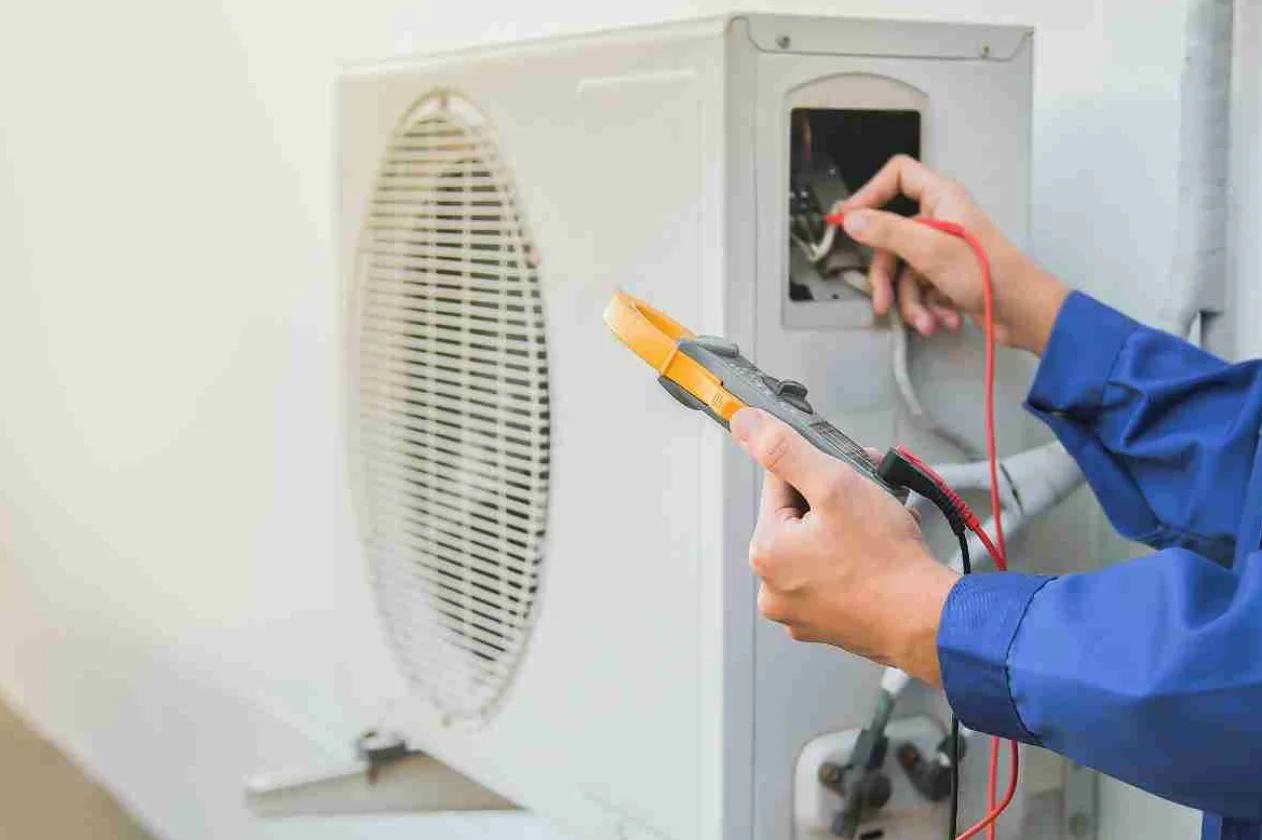
Airflow plays a critical role in maintaining comfort, energy efficiency, and indoor air quality throughout a home. When air moves properly through vents, ducts, and living spaces, heating and cooling systems can perform as intended without excessive strain. However, airflow issues often develop gradually, making them easy to overlook until discomfort, rising utility bills, or uneven temperatures become noticeable. Problems with circulation can originate from blocked ducts, aging equipment, damaged components, or system design concerns.
Maintaining the mechanical health of these components is vital for ensuring long-term home comfort. When systems are regularly evaluated, it becomes easier to spot minor wear before it affects the air distribution throughout the living space. Proactive homeowners often rely on professional support from RadLee Heating and Cooling to identify hidden restrictions or blower issues that might otherwise go unnoticed. By addressing these technical concerns early, you can support more consistent airflow and limit the unnecessary strain that often leads to higher utility costs or premature equipment failure. Keeping the distribution network in peak condition ensures that every room remains comfortable regardless of seasonal temperature shifts.
Maintaining the mechanical health of these components is vital for ensuring long-term home comfort. When systems are regularly evaluated, small issues like worn belts or minor electrical faults can be addressed before they restrict air movement. Homeowners who prioritize consistent upkeep often find that their equipment operates more smoothly throughout the year. For more information on maintaining these essential systems and to continue reading about professional heating services, consult with a local expert who can perform a detailed diagnostic. Taking these proactive steps supports better energy efficiency and helps extend the overall lifespan of your home comfort setup.
Recognizing the warning signs early can help homeowners address underlying issues before they lead to larger repairs, reduced efficiency, or unnecessary wear on heating and cooling equipment.
Common Indicators of Airflow Trouble
- Uneven Temperatures Between Rooms
One of the earliest signs of airflow problems is a noticeable difference in temperature from one room to another. While minor variations can occur naturally, significant differences often indicate that conditioned air is not being distributed evenly throughout the home. A bedroom that remains warm during summer despite the air conditioner running continuously, or a living room that feels chilly while other areas stay comfortable, may indicate airflow restrictions. Damaged ductwork, blocked vents, disconnected ducts, or improperly balanced systems can all contribute to this issue. Homeowners sometimes attempt to solve the problem by repeatedly adjusting thermostats, but this often increases energy consumption without addressing the underlying cause.
When uneven temperatures persist despite routine maintenance and filter changes, it may indicate a deeper airflow concern that requires professional evaluation. Ignoring these inconsistencies can place additional strain on HVAC equipment, which works harder to compensate for areas receiving insufficient airflow, potentially shortening the system’s lifespan and reducing overall comfort throughout the property.
- Weak Air Coming From Supply Vents
When airflow weakens at supply vents, the entire heating and cooling system can struggle to maintain desired indoor conditions. Homeowners may notice that air barely moves from certain vents even when the system is operating at full capacity. This reduction in airflow can result from clogged air filters, obstructed ductwork, blower motor issues, or leaks that allow conditioned air to escape before reaching living spaces. Over time, dust and debris can also restrict airflow within ducts, limiting the volume of air reaching occupied rooms. Homeowners in need of system evaluations often turn to HVAC Contractor Abbeville, Al professionals when persistent airflow concerns begin affecting comfort and efficiency.
Weak airflow can also cause heating and cooling cycles to run longer than necessary, increasing utility costs and creating unnecessary wear on system components.
Maintaining the efficiency of your equipment requires addressing these airflow restrictions before they escalate into mechanical failures. When conditioned air cannot reach its destination, the system faces constant pressure that shortens the lifespan of motors and fans. Homeowners who want to keep their units running smoothly often benefit from exploring professional maintenance options to ensure every component functions as intended. You can continue reading to understand how technical expertise helps identify hidden duct leaks or blockages that simple filter changes might miss. Taking proactive steps now can support more consistent indoor temperatures while helping to manage long-term energy consumption throughout the year.
If airflow remains inconsistent after replacing filters and ensuring vents remain open, the issue may extend beyond routine maintenance and require a more thorough inspection of the system’s internal components and distribution network.
Professional diagnostic evaluations provide a clear path to identifying hidden restrictions within your ventilation network. When seeking localized system care, partnering with an experienced team for hvac newbury park services ensures that delicate components like your blower motor and duct seals are precisely verified. Resolving these performance limits stabilizes your indoor climate while protecting complex machinery from the premature wear associated with restricted air movement.
- Rising Utility Bills Without Increased Usage
Unexpected increases in energy costs frequently signal hidden airflow problems. When conditioned air cannot move efficiently through a home’s duct system, heating and cooling equipment must operate longer to achieve thermostat settings. This prolonged operation increases electricity or fuel consumption, even if household usage habits remain unchanged. Many homeowners initially attribute higher bills to seasonal weather changes, but persistent increases often reveal efficiency losses occurring within the HVAC system. Airflow restrictions force equipment to work harder than necessary, creating a cycle of excessive energy use and declining performance.
Leaking ducts, blocked returns, malfunctioning blower motors, and dirty evaporator coils can all contribute to reduced airflow and higher operating expenses. Because these issues often develop gradually, homeowners may not notice changes until utility bills become significantly higher than expected. Monitoring monthly energy costs and comparing them with previous years can help identify unusual patterns. When higher bills coincide with comfort issues, uneven temperatures, or weak vent airflow, professional attention may be needed to identify and correct the root cause.
Consistent monitoring of these patterns often provides the first clue that a system is struggling to maintain proper air circulation. When internal components like motors or coils begin to fail, the entire unit consumes more power to compensate for the lack of movement. If you notice that your monthly bills are rising without a clear cause, it may be time to seek professional assistance for a thorough inspection. Engaging a local expert for a routine checkup or ac repair can help pinpoint exactly where the energy loss is occurring. Addressing these small inefficiencies early helps maintain long-term comfort and supports the overall health of your heating and cooling equipment.
- Excessive Dust Accumulation Throughout the Home
A sudden increase in household dust can indicate airflow-related concerns within an HVAC system. While dust is a normal part of everyday living, excessive buildup on furniture, flooring, and vents may suggest that air circulation is not functioning properly. Leaky ductwork can draw dust, insulation particles, and contaminants from attics, crawl spaces, or wall cavities into the airflow system. These materials are then distributed throughout living areas whenever the HVAC equipment operates. Restricted airflow may also prevent proper filtration, allowing more airborne particles to circulate continuously.
Homeowners often notice the need for more frequent cleaning or discover that surfaces become dusty shortly after being wiped down. In some cases, family members may experience increased allergy symptoms due to the circulation of airborne contaminants. Persistent dust issues can signal that airflow pathways require inspection, cleaning, or repair. Addressing these concerns not only improves indoor cleanliness but also enhances system efficiency and helps maintain healthier indoor air quality throughout the home.
- Unusual Noises From Ducts and Vents
HVAC systems naturally produce some operational sounds, but unusual noises often indicate airflow disturbances. Whistling, rattling, banging, or popping sounds coming from vents and ductwork can suggest that air is encountering restrictions or escaping through damaged sections. High-pressure airflow forced through narrow openings may cause whistling, while loose duct connections can produce rattling during operation.
Maintaining balanced pressure within the ventilation network is a key factor in preventing these disruptive sounds and supporting efficient air movement. When every component is in good health, the entire system operates with much less noise, providing a more peaceful indoor environment. Homeowners often find that routine checks on the blower and duct seals help preserve this quiet operation while also limiting the wear that leads to mechanical trouble. For those experiencing persistent noise or poor circulation, professional support from Complete Heat and Air can help identify the specific source of the disturbance. Correcting these minor technical issues early ensures that your home stays comfortable and quiet throughout the changing seasons.
Expanding and contracting duct materials may occasionally cause popping sounds, but frequent or increasingly loud noises deserve attention. These sounds often reflect underlying airflow imbalances that can affect system performance and comfort levels.
Restricted airflow may also place additional stress on blower components as they work harder to move air through the system. Over time, unresolved airflow-related noises can coincide with declining efficiency and higher operating costs. Because many airflow issues remain hidden behind walls, ceilings, or crawl spaces, unusual sounds can serve as valuable indicators that an inspection is needed to determine whether duct repairs, sealing, or system adjustments are necessary.
- Poor Indoor Air Quality and Lingering Odors
Airflow problems frequently affect more than temperature control; they can also influence indoor air quality. When air circulation is restricted, pollutants, moisture, and odors may remain trapped in living spaces rather than being properly filtered and dispersed. Homeowners may notice stale air, persistent smells, or rooms that feel stuffy despite regular HVAC operation. Inadequate airflow can allow humidity levels to rise, creating conditions that encourage mold growth and unpleasant odors. Poor circulation may also contribute to the buildup of allergens, pet dander, and airborne particles that negatively affect indoor comfort. In some homes, airflow issues develop gradually, making it difficult to recognize changes until odors become more pronounced or air quality noticeably declines.
Because indoor air quality directly affects comfort and well-being, persistent odors or stuffiness should not be ignored. Evaluating airflow performance can help identify whether duct restrictions, ventilation deficiencies, or equipment-related issues are limiting the system’s ability to maintain healthy indoor conditions.
Poor circulation allows household pollutants and airborne moisture to build up, creating a heavy environment that affects overall comfort. When ventilation issues persist, scheduling regular inspections of the entire distribution setup helps maintain a cleaner atmosphere. Property owners often benefit from consulting a certified hvac specialist to assess internal components like blowers or duct connections. Resolving these airflow disruptions supports a healthier indoor environment and prevents the stagnant conditions that diminish daily home enjoyment.
Airflow issues can affect nearly every aspect of home comfort, from temperature consistency and indoor air quality to energy efficiency and equipment performance. Warning signs such as weak vent airflow, uneven temperatures, rising utility bills, excessive dust, unusual noises, lingering odors, and abnormal cycling patterns often indicate that the HVAC system is struggling to distribute air effectively.
While some causes may involve simple maintenance concerns, others stem from hidden duct problems, worn components, or system design issues that require professional attention. Recognizing these symptoms early allows homeowners to address concerns before they lead to larger repairs, increased expenses, or unnecessary strain on heating and cooling equipment.

David Weber is an experienced writer specializing in a range of topics, delivering insightful and informative content for diverse audiences.