
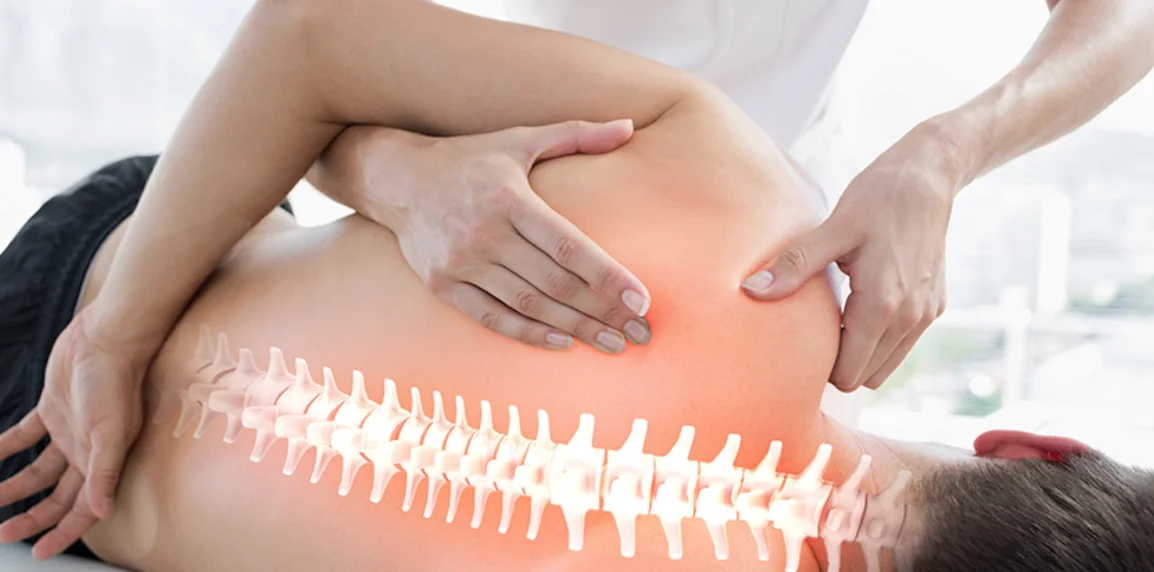
The spine plays an important role in supporting the body, protecting the spinal cord, and enabling movement. It helps maintain posture, balance, and flexibility while allowing communication between the brain and the rest of the body through the nervous system.
Although occasional back discomfort is common, some spine-related conditions require prompt medical attention. Ignoring persistent symptoms can lead to worsening pain, reduced mobility, and complications affecting daily activities.
Understanding common spine problems and their warning signs can help individuals seek timely evaluation and appropriate treatment.
Understanding the Importance of Spine Health
The spine consists of bones called vertebrae, discs that act as cushions between the bones, ligaments, muscles, and nerves. Together, these structures work to support movement and protect the spinal cord.
When any part of the spine becomes damaged or affected by disease, it can interfere with normal function and cause pain or neurological symptoms.
Why Spine Problems Should Not Be Ignored
Many people assume back pain will resolve on its own. While minor strains usually improve with rest and self-care, persistent or severe symptoms may indicate an underlying condition requiring medical evaluation.
Early diagnosis may help:
- Prevent complications
- Improve treatment outcomes
- Preserve mobility
- Reduce chronic pain
- Protect nerve function
Recognizing warning signs can help individuals seek care before problems become more serious.
1. Herniated Disc
A herniated disc occurs when the soft inner portion of a spinal disc pushes through its outer layer. This condition can place pressure on nearby nerves and cause pain, numbness, or weakness.
Herniated discs most commonly affect the lower back but can also occur in the neck.
Common Symptoms of a Herniated Disc
Symptoms may include:
- Back or neck pain
- Pain radiating into the arms or legs
- Tingling sensations
- Muscle weakness
- Numbness in affected areas
The severity of symptoms often depends on the location of the disc and the amount of nerve compression.
When Medical Attention Is Needed
Persistent pain, worsening weakness, or significant numbness should be evaluated by a healthcare professional. Early treatment may help prevent long-term nerve damage and improve recovery.
2. Spinal Stenosis
Spinal stenosis occurs when spaces within the spine narrow, placing pressure on the spinal cord or nerves. This condition usually develops gradually and is more common in older adults.
Symptoms may worsen over time if left untreated.
Symptoms of Spinal Stenosis
Common signs include:
- Back pain
- Leg pain while walking
- Numbness or tingling
- Muscle weakness
- Difficulty maintaining balance
Symptoms may improve when sitting or bending forward and worsen with standing or walking.
Why Early Evaluation Matters
Prompt assessment helps determine the extent of nerve involvement and guides treatment planning. Managing symptoms early may help maintain mobility and quality of life.
3. Degenerative Disc Disease
As people age, spinal discs naturally lose water content and flexibility. This process is known as degenerative disc disease and can contribute to chronic back or neck pain.
Although aging is a primary factor, injuries and repetitive stress may accelerate disc degeneration.
Common Symptoms
Individuals may experience:
- Chronic low back pain
- Neck discomfort
- Stiffness
- Pain that worsens with movement
- Periodic flare-ups
Symptoms vary widely, with some individuals experiencing minimal discomfort and others having significant limitations.
Treatment Considerations
Management generally includes:
- Physical therapy
- Exercise programs
- Lifestyle modifications
- Pain management strategies
Early intervention may help improve function and reduce symptom progression.
4. Sciatica
Sciatica refers to pain that travels along the sciatic nerve, which extends from the lower back into the legs. It is often caused by nerve compression from a herniated disc or other spinal condition.
The condition can range from mild discomfort to severe pain.
Signs and Symptoms of Sciatica
Common symptoms include:
- Sharp leg pain
- Burning sensations
- Numbness
- Tingling
- Weakness in the affected leg
Pain usually affects one side of the body and may worsen with prolonged sitting.
When to Seek Medical Care
Medical attention is important if symptoms are severe, persist for several weeks, or are accompanied by significant weakness or difficulty controlling bowel or bladder function.
For patients residing in Karnataka, if nerve-related symptoms persist or worsen, seeking care from the best spine doctor in Banaswadi can help facilitate accurate diagnosis and personalized treatment planning.
5. Scoliosis and Spinal Curvature Disorders
Scoliosis is a condition in which the spine develops an abnormal sideways curvature. It can occur during childhood, adolescence, or adulthood.
While mild cases may cause few symptoms, more significant curves can affect posture and physical function.
Symptoms of Scoliosis
Possible signs include:
- Uneven shoulders
- One hip appears higher
- Visible spinal curvature
- Back discomfort
- Fatigue after standing
Routine examinations may help detect scoliosis before noticeable symptoms develop.
Importance of Monitoring
Regular monitoring allows healthcare providers to track progression and determine whether treatment is necessary. Early detection may reduce the likelihood of complications.
Red Flag Symptoms That Require Immediate Medical Attention
Certain spine-related symptoms should never be ignored because they may indicate serious underlying conditions.
Recognizing these warning signs can help prevent permanent complications.
Seek Immediate Medical Care If You Experience:
- Sudden loss of bladder or bowel control
- Severe weakness in the arms or legs
- Loss of sensation in the groin area
- Sudden inability to walk
- Severe pain following trauma
- Progressive neurological symptoms
These symptoms may require urgent evaluation and treatment.
Why Rapid Action Is Important
Delaying treatment for serious spinal conditions can increase the risk of permanent nerve damage and long-term disability. Early intervention usually leads to better outcomes.
Protecting Your Spine Health
Maintaining a healthy spine involves a combination of lifestyle habits and preventive measures.
Simple daily practices can reduce strain on the spine and support long-term mobility.
Tips for Maintaining Spine Health
Consider the following:
- Maintain good posture
- Exercise regularly
- Strengthen core muscles
- Lift objects properly
- Maintain a healthy weight
- Avoid prolonged sitting
- Stop smoking if applicable
These habits can help reduce the risk of developing spine-related problems.
The Importance of Routine Evaluation
Persistent or recurring symptoms should be evaluated by a healthcare professional. Early assessment allows appropriate treatment and may help prevent progression of spinal conditions.
Conclusion
The spine is essential for movement, balance, and nervous system function. Conditions such as herniated discs, spinal stenosis, degenerative disc disease, sciatica, and scoliosis can significantly affect daily life if left untreated.
Understanding common symptoms and recognizing warning signs that require medical attention can help individuals seek timely care. Early diagnosis, appropriate treatment, and healthy lifestyle habits play a vital role in maintaining spinal health and preserving mobility for years to come.
Frequently Asked Questions
1. What is the most common spine problem?
Lower back pain is one of the most common spine-related complaints. It may result from muscle strain, disc problems, degenerative changes, or other spinal conditions that require evaluation if symptoms persist.
2. When should back pain be evaluated by a doctor?
Medical evaluation is recommended if back pain lasts several weeks, worsens over time, causes neurological symptoms, or interferes significantly with daily activities and normal functioning.
3. Can a herniated disc heal without surgery?
Many herniated discs improve with conservative treatment, including physical therapy, activity modification, and pain management. Surgery may only be considered when symptoms are severe or persistent.
4. What are the warning signs of serious spinal problems?
Warning signs include severe weakness, numbness, loss of bladder or bowel control, difficulty walking, and sudden neurological changes. These symptoms require immediate medical attention.
5. How can I reduce my risk of spine problems?
Maintaining good posture, exercising regularly, strengthening core muscles, managing body weight, avoiding smoking, and using proper lifting techniques can help protect spinal health and reduce injury risk.

Si te encuentras buscando donde alquilar jetskis en esta isla, hay distintas propuestas fantasticas tanto en el sector sur como en distintas zonas como Costa Adeje y este animado lugar. Es posible encontrar alquiler moto de agua Tenerife sur con importes razonables y excursiones como jet bike safari o aqua safari que mezclan adrenalina pura y vistas impresionantes. Para opciones mas detalladas, tambien existe la chance de rentar motos de agua en Tenerife Los Gigantes o vivir actividades acuaticas en este puerto. Para mas referencias sobre fechas disponibles y valores, te invito a visitar actividades acuaticas puerto colon tenerife .
Por otro lado, Tenerife ofrece propuestas para todos los perfiles, desde novatos hasta experimentados, con operadores como Jet Hub Tenerife y Adrenalina Jet que realizan excursiones en motos acuaticas y jet ski safaris en zonas como Costa Adeje. Si deseas una vivencia satisfactoria y segura, valora las excursiones motos de agua Tenerife sur o en otros lugares, y no descuides que asegurar con anticipacion siempre facilita las cosas, particularmente en los periodos de mayor afluencia. Por si te hace falta, el telefono +34 612 345 678 suele ser conveniente para dudas rapidas.
Has anyone too had difficulty to repair the Suno audio issues in their artificially created audio? suno audio cleaner I discovered that Suno’s AI issues can greatly affect the complete sound output, mainly with vocal elements seeming unnatural. To overcome this, I’ve been applying a audio cleaner to purify these AI music files and reliably reduce glitches from the Suno files, which works to increase both the audio quality and precision.
For those in need of a straightforward method to resolve any Suno sound quality concerns, there are some zero-cost music enhancement tools and specialized cleaners available online that can operate as a smart audio cleaner or vocal cleaner. These applications act as an intelligent artifact remover and can manage to get those vocals sound human again. If you want to discover them, here’s a great guide presenting an online free AI music cleaner and can support Suno mastering and enhancing Suno sound quality without difficulty.
Should you be discovering the domain of color science and asking yourself “what is my color palette,” there are fantastic resources out there like complimentary color analysis quizzes and platforms that enable you to identify your base tones and ideal season. find my color palette Whether you fall towards a delicate winter, rich summer, or even dark winter color palette, grasping skin tone charts and taking a skin base tone test can make all the difference in finding colors that really complement you. For a more detailed system, the 16 season color analysis framework is quite comprehensive, and you can attempt a 16 seasonal color analysis test online for personalized results.
When you’ve been using Color Analysis Pro and wish to cancel your membership, or merely interested about how to navigate your account, there are basic steps to complete to cancel color analysis pro effortlessly. Additionally, if you decide to dive further into subjects like light olive skin, warm red skin, or fair olive skin color charts, many platforms offer thorough info and samples. For further help with finding your color palette or learning skin tone assessment, you can learn more .
If you have been tinkering with Suno AI built tracks, you surely encountered those irritating imperfections that can truly hurt the sound clarity. suno track cleaner Happily, there are some effective ways to clear out Suno artifacts using tools like the Suno artifact remover or Suno audio purifier, which allow you to fix Suno AI artifacts and improve the complete sound. These alternatives are remarkably helpful if you want to improve Suno AI tracks and make singing seem more realistic.
For those finding it difficult to fix Suno audio quality or upgrade Suno audio output, online audio enhancers can be a total godsend. You can discover budget-friendly AI music enhancer options that enable you to remove flaws from Suno tracks and even aid in mastering your tracks digitally. If you’re curious, check out this platform that includes a excellent option to fix Suno vocals and upgrade your audio without stress.
Hello all, I’m hoping to plan a family trip from Munich during the imminent school holidays, but it’s been somewhat challenging to find inexpensive flights in this peak season. Prices appear to skyrocket, and with kids to factor in, staying within budget is truly important for us. I’ve come across some selected lists of low-cost flight alerts and strategies which seem promising, like this one cheap flights from helsinki , but I’m still hopeful if anyone has tips or different approaches to booking budget tickets around busy holiday times. Any advice to help reduce the price pressure would be very much appreciated. Thanks in particular for your ideas!
Hello neighbors, I’m a local resident thinking about the environmental effects of jet skiing around southern Tenerife, especially near our coral reefs and the underwater wildlife in the area. agua safari tenerife Lately, I’ve recognized increased jet ski activity which seems to harm some of the local ecosystems, including fish and the vulnerable reef structures. I recognize that these water activities are enjoyed and important for tourism, but I’m curious about finding ways to enjoy them while minimizing harm. Has anyone else noticed similar impacts or found responsible approaches that help protect our marine life? I recently came across some guidelines from environmental experts that suggest speed limits and designated zones to reduce damage—here is a link for those interested . I’d appreciate hearing about any environmentally friendly rental providers or tips for responsible enjoyment of the water. Welcoming a constructive conversation!
Hola a quienes lean esto, mi pareja y yo queremos hacer hacer una salida de fin de semana a Ronda y hemos visto varios tipos de alojamiento en burbuja con jacuzzi que parecen muy atractivas, pero la verdad es que nos genera bastante duda si vale la pena gastar mas en comparacion con un hotel o casa rural tradicional. burbuja experience murcia Nos gustaria leer experiencias reales de gente que haya pasado una noche en estas burbujas, especialmente sobre el confort, si el jacuzzi y la privacidad verdaderamente merecen la diferencia de precio. Hemos estado analizando algunas resenas y comparativas, y aunque algunas opiniones son buenas, seguimos sin tener del todo claro si sera una inversion que nos aporte algo especial para el fin de semana. Si alguien tiene recomendaciones o consejos sobre la calidad-precio y como es la experiencia, nos encantaria conocer los detalles. Aqui dejamos un enlace con algunas experiencias recogidas que hemos recopilado. ?Gracias de antemano por toda recomendacion honesta!
Tengo una tarde libre entre una caminata y una cena, y dudo entre una ruta guiada en moto de agua o un alquiler corto. La opcion larga parece tentadora, pero no quiero que las esperas y los traslados ocupen la tarde. Necesito una decision practica y un margen comodo antes de mi siguiente plan. He visto opciones desde Costa Adeje. Para comparar tiempos abri una pagina para comparar salidas acuaticas. Quiero saber cuanto dura todo desde la llegada hasta el regreso. El horario debe ser fiable. El punto de reunion tiene que ser accesible. La espera inicial deberia ser clara. La explicacion debe ser breve. El recorrido tiene que ser abierto. El grupo deberia ir tranquilo. El mar debe estar calmo. El traslado final debe ser puntual. El margen antes de cenar debe ser comodo. La reserva ha de ser confirmada. La informacion final debe ser breve. La ruta debe dejar una sensacion serena. El regreso debe sentirse puntual. ?Cuanto margen dejaron ustedes antes de otro plan? ?Las vistas compensaron la menor flexibilidad? Gracias por estimaciones honestas.
I help a community archive prepare old concert recordings for private sharing with former performers. One recording has a lovely room sound and an expressive singer, yet several quiet passages contain small digital chirps that pull attention away from the music. I want to improve listenability without polishing away the atmosphere that makes the recording meaningful. During my research I found this comparison page. It seems relevant, although I would rather hear from people who have restored imperfect live material. My question is how to set a sensible stopping point. The historic ambience is important. A small sample can guide the first decision. I can compare several passages before processing the full file. The restoration should remain gentle. Any change must respect space. I need practical settings for future copies. A fresh listening pass may expose unwanted side effects. The audience reactions should stay intact. The singer’s voice must remain believable. Each adjustment should remain simple to document. I will compare it at moderate volume. I would rather preserve a little imperfection than make the result sterile. How do you decide when a restoration has become too processed? Thank you for practical restoration notes.
Hola a todos, estoy organizando un viaje a Tenerife y me gustaria probar jetski durante mi estancia. He estado leyendo sobre los dos lugares mas visitados para esta actividad: Los Gigantes y Playa de las Americas. Por lo que he visto, Los Gigantes tiene unos acantilados increibles que creo que brindarian un entorno precioso mientras estas sobre el agua, pero he leido que puede ser un poco mas dificil para alguien con nivel intermedio, especialmente con el oleaje y las corrientes que suponen una dificultad. Por otro lado, Playa de las Americas parece bastante mas sencilla para empezar, ideal para divertirse sin demasiadas preocupaciones, aunque la belleza del lugar no es comparable a la de Los Gigantes. Para alguien que valora tanto la belleza natural como una experiencia segura y tranquila, ?cual recomendarian? He encontrado un post con fotos y imagenes que muestran claramente las diferencias moto de agua los cristianos , pero me gustaria conocer opiniones de primera mano de quienes hayan probado jetski en ambos sitios. ?Cual creen que tiene mayor encanto para alguien como yo que busca un nivel medio y vistas hermosas? Gracias de antemano por sus consejos.