
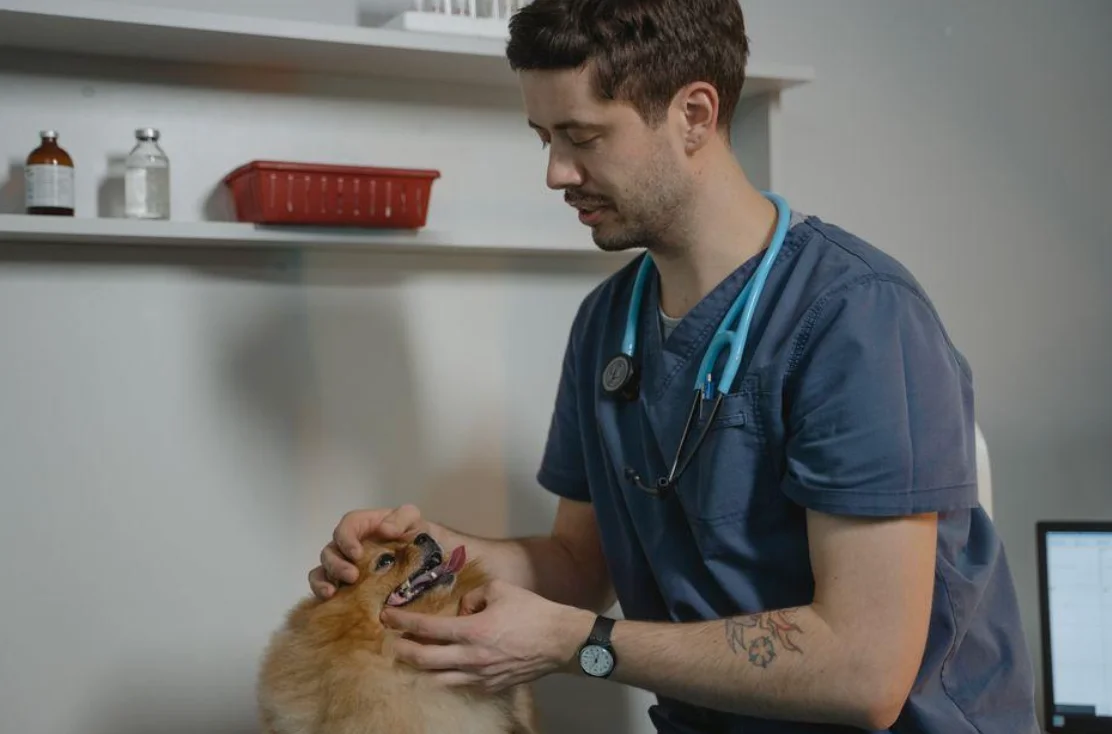
Your pet counts on you for the basics, but staying healthy takes more than a full food bowl and a squeaky toy. A lot of the best care happens in small, steady steps through the year. When you know what to watch for and when to check in with your vet, you can catch problems early and avoid bigger headaches later. Think of it as less panic, more planning, and hopefully fewer surprise messes on the rug.
Start With Prevention
When you want your pet to stay healthy, prevention does a lot of the heavy lifting. It’s usually easier, cheaper, and far less stressful to stop a problem early than to deal with it once your dog or cat feels awful.
One big part of that plan is regular wellness care, including vaccination services for pets. Vaccines help protect against serious illnesses that can spread quickly, especially if your pet goes outdoors, visits groomers, stays at boarding facilities, or meets other animals.
Preventive care also includes checkups, parasite control, weight monitoring, and talking through any odd behavior you’ve noticed. Even if your pet seems perfectly fine, routine visits can spot tiny issues before they turn into giant ones.
A healthy pet often looks playful, alert, and comfortable. Prevention helps keep it that way. It’s not flashy, but it works, kind of like brushing your teeth, only with more tail wagging.
Know Your Pet’s Risks
Not every pet needs the exact same care plan. A sleepy indoor cat and an adventurous dog who thinks every puddle is a treasure chest live very different lives. That means their health risks can be different too.
Age matters a lot. Puppies and kittens need close attention early on, while senior pets may need more frequent checks as joints stiffen and energy levels shift. Breed can also play a role, since some pets are more prone to skin issues, breathing trouble, or weight gain.
Lifestyle is another big piece of the puzzle. If your pet spends time outside, visits parks, travels with you, or stays with a pet sitter, exposure to illness and parasites may be higher. Even indoor pets aren’t wrapped in bubble wrap. They can still face risks from pests, household hazards, and hidden health issues.
Your vet can help you figure out what makes sense based on where you live and how your pet lives. A custom plan usually works better than guessing and hoping for the best.
Build a Simple Routine
Good pet care doesn’t need to feel like running a tiny furry hospital. A simple routine is often enough to keep things on track. What matters most is being consistent.
Start with the basics:
- Schedule regular wellness visits
- Keep up with parasite prevention
- Feed a balanced diet
- Make room for daily movement
- Check teeth, ears, skin, and paws
You should also pay attention to the little things. Is your dog suddenly less excited about walks? Is your cat hiding more than usual? Small changes can be early clues that something’s off.
Routine grooming helps too. Brushing lets you spot lumps, flaky skin, or sore areas before they get worse. Clean water, proper portion sizes, and enough playtime do more than people think.
You don’t need a perfect chart on the fridge, though if that’s your style, go for it. You just need habits that are easy to repeat. Small steps done often beat big plans you never keep.
Watch for Warning Signs
Pets are good at acting normal even when they don’t feel great. That’s why you need to notice the subtle stuff. If something changes and stays changed, it’s worth paying attention.
Common warning signs include:
- Eating less or drinking much more
- Sleeping more than usual
- Coughing or sneezing often
- Vomiting or diarrhea
- Limping or moving stiffly
- Scratching, licking, or biting at skin
- Bathroom accidents or straining
Some of these signs may be minor, but they can also signal infection, pain, allergies, digestive trouble, or something more serious. You don’t have to panic over every sneeze, but you also shouldn’t brush off ongoing symptoms.
Behavior changes matter too. A friendly pet that suddenly becomes withdrawn, clingy, grumpy, or restless may be dealing with discomfort. Pets don’t send emails explaining their symptoms, so their actions do the talking.
If you’re unsure, call your vet and ask. A quick question now can save a much bigger problem later.
Make Vet Visits Easier
A lot of pets act like a vet visit is the opening scene of a disaster movie. The good news is that a few simple tricks can make appointments much smoother for both of you.
For dogs, bring treats and arrive with enough time for a short calm walk. That can help burn off nervous energy. For cats, leave the carrier out at home now and then so it doesn’t only mean bad news. Toss a soft blanket and a favorite toy inside to make it feel familiar.
Try to stay relaxed yourself. Pets pick up on your mood fast. If you act like the building is haunted, they may agree. Use a cheerful voice and keep movements slow and calm.
It also helps to bring notes. If your pet has been scratching, coughing, or acting strangely, write down when it started and how often it happens. That gives your vet a clearer picture than saying, “Um, sometime recently.”
A smoother visit usually means less stress and better care.
Keep Good Records
Pet health records are one of those boring things that become very exciting the moment you actually need them. Keeping everything in one place saves time and lowers stress.
Try to track:
- Vaccine dates
- Medications and doses
- Allergies or reactions
- Past illnesses or injuries
- Surgery history
- Weight changes
- Vet contact info
You can use a folder, a notebook, or a notes app on your phone. Pick the method you’ll really use, not the one that sounds impressive for two days and then disappears.
Good records help when you switch vets, travel, board your pet, or deal with an emergency. They also make it easier to notice patterns. If ear infections keep coming back every few months, your notes may reveal the trend.
Bring this information to appointments when you can. It helps your vet make faster, better decisions. Your future self will be grateful, and your pet won’t have to rely on your memory during a stressful moment.
Healthy Habits at Home
A healthy home routine can do a lot for your pet without feeling complicated. The goal isn’t to become a pet expert overnight. It’s to create a daily life that supports comfort, movement, and good health.
Make sure your pet gets the right amount of food, not just the amount they passionately request with big dramatic eyes. Extra weight can sneak up fast and make joint pain, breathing issues, and other problems harder to manage.
Keep fresh water available, wash bowls regularly, and give your pet a clean place to sleep. Add play, walks, or enrichment toys to help with both physical and mental health. Bored pets often invent their own fun, and your couch may not enjoy it.
Check in often with your pet’s coat, skin, nails, teeth, and energy level. These little observations build your instincts over time.
When you pair good habits at home with regular veterinary care, you give your pet a strong shot at a longer, happier life. That’s a pretty great deal for your favorite four-legged roommate.

David Weber is an experienced writer specializing in a range of topics, delivering insightful and informative content for diverse audiences.