
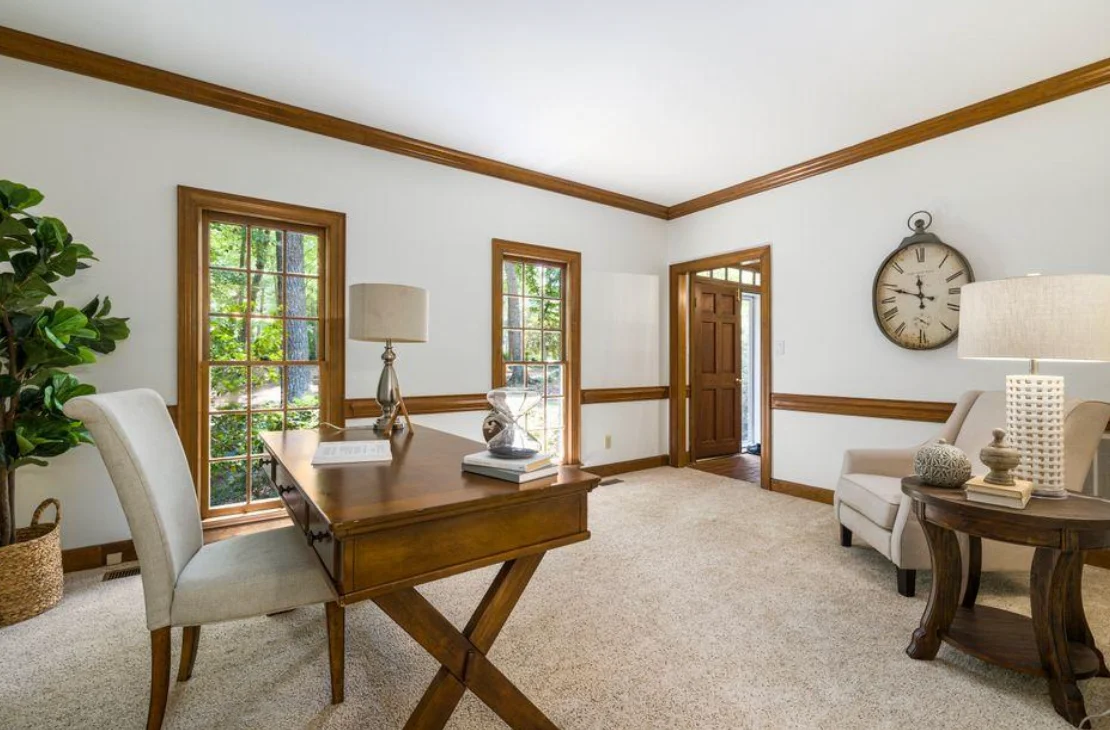
For homeowners working with an architect in Virginia, designing a home is about more than keeping up with the latest styles. The goal is often to create a space that feels refined, functional, and relevant for decades. While trends can offer inspiration, timeless design focuses on quality materials, thoughtful layouts, and architectural details that age gracefully. A well-designed home should feel just as comfortable and appealing years from now as it does on the day you move in.
Start with purpose
Before you choose tile, paint, or a fancy faucet that looks like it belongs in a spaceship, you need a clear plan for how you want to live. Think about your routines. Do you host big family dinners, work from home, or need quiet spots for reading and recharging? Those answers should shape the house.
If you’re creating a custom home or planning a major remodel, working with a luxury architect in Virginia can help you design a space that complements both your lifestyle and the character of the region. From waterfront properties along the Chesapeake Bay to estate homes in Northern Virginia and historic neighborhoods in Richmond, every location comes with unique opportunities and considerations. An experienced architect can turn those everyday needs into a home that feels polished without feeling stiff, while making the most of the surrounding landscape, climate, and local architectural context. That kind of professional design support matters most when you want a home that is personal, functional, and deeply connected to its setting.
Start with a short wish list. Keep it honest. Not dream-TV honest. Real-life honesty. A mudroom you’ll actually use beats a dramatic staircase you’ll mostly just vacuum.
Think beyond trends
Trends are fun, and there’s nothing wrong with borrowing a few. The trick is not letting them take over the whole house. If every room is built around what’s popular right now, your home may feel dated sooner than you’d like.
A better approach is to keep the big decisions classic and let the smaller details carry your personality. Layout, windows, cabinetry shapes, and exterior materials should have staying power. You can always swap stools, lighting, paint, or hardware later without starting from scratch.
Ask yourself a simple question: would you still like this in ten years if nobody online told you it was cool? If the answer is shaky, press pause.
Timeless design doesn’t have to mean boring. It just means your home has a steady backbone. Then you can layer in color, texture, and charm without turning the place into a passing phase with walls.
Design for real life
A beautiful home that fights your daily routine is just a well-decorated headache. Timeless design works best when it supports the way you actually live. That means planning spaces around habits, not just around photos.
Think about the spots that get the most traffic. Where do shoes land? Where do backpacks pile up? Where do people gather without being told to? Those patterns tell you what your home really needs.
Useful design ideas often include:
- Storage near entry points
- Open sight lines in shared spaces
- A quiet room for work or study
- Flexible guest space
- Easy movement between the kitchen and dining areas
It also helps to think ahead. Maybe you need a playroom now, but later it could become a den or hobby room. Maybe a first-floor bedroom makes future life easier. Good design grows with you. A home should be ready for real life, not just company life.
Choose materials wisely
Materials do a lot of heavy lifting. They affect how your home looks, how much upkeep it needs, and how it handles daily wear from kids, pets, weather, and plain old living. Picking wisely can save you money and a lot of future grumbling.
In kitchens, painted cabinets can look lovely, but finishes that are too delicate may chip fast in busy households. Quartz counters are popular for a reason. They’re durable and easy to care for. In bathrooms, porcelain tile is often a practical hero. It handles moisture well and comes in styles that can feel classic instead of fussy.
For flooring, wood and quality engineered wood tend to age gracefully. Super-trendy patterns can be fun, but they can also shout a certain era. Outside, materials like brick, stone, and well-chosen siding often hold up better both physically and visually.
Try to balance beauty with maintenance. If a material looks amazing but needs constant babysitting, it may not be a long-term win.
Let light lead
Natural light changes everything. It affects mood, comfort, and even how colors look on your walls. A home with thoughtful light planning usually feels more inviting, even before the furniture moves in.
Pay attention to where the sun rises and sets. Morning light can make breakfast spaces feel cheerful. Soft afternoon light can warm up living areas. Rooms that get too much direct sun may need shading so they don’t turn into toaster ovens by 3 p.m.
Window placement matters just as much as window size. A giant window isn’t automatically better if it kills privacy or creates glare on every screen in the room. Good design balances brightness, comfort, and what you actually want to see outside.
You can also use light to make smaller spaces feel bigger. Hallways, stair landings, and bathrooms often benefit from borrowed light, glass doors, or carefully placed windows. When light is handled well, a home feels calmer and more connected.
Protect future value
A timeless home should fit your life, but it should also make sense to future buyers one day. That doesn’t mean making every choice bland or playing it so safe that your house loses its charm. It means being thoughtful about the big stuff.
Strong resale value usually comes from features that stay useful over time. Good flow, quality materials, plenty of storage, natural light, and a layout that feels easy to live in all tend to matter more than flashy extras. A house that feels comfortable and well planned often leaves the best impression.
Try to avoid choices that are hard to undo unless you truly love them. A wild room shape or ultra-specific built-in may fit your life perfectly, but it’s worth thinking through before committing.
The sweet spot is a home that feels personal, warm, and lasting. If your design choices make daily life easier now and still feel appealing later, you’re probably building something that stands the test of time rather than just surviving a trend cycle.

David Weber is an experienced writer specializing in a range of topics, delivering insightful and informative content for diverse audiences.
The flexible guest-space example is a good use case for two clearly labeled furnishing concepts based on the same empty-room photo. A desk layout and a guest-room layout can help someone think through the options, provided the room dimensions and openings stay fixed. The walking paths in your real-life design section are a better test of either concept than how many attractive objects fit into the image.