
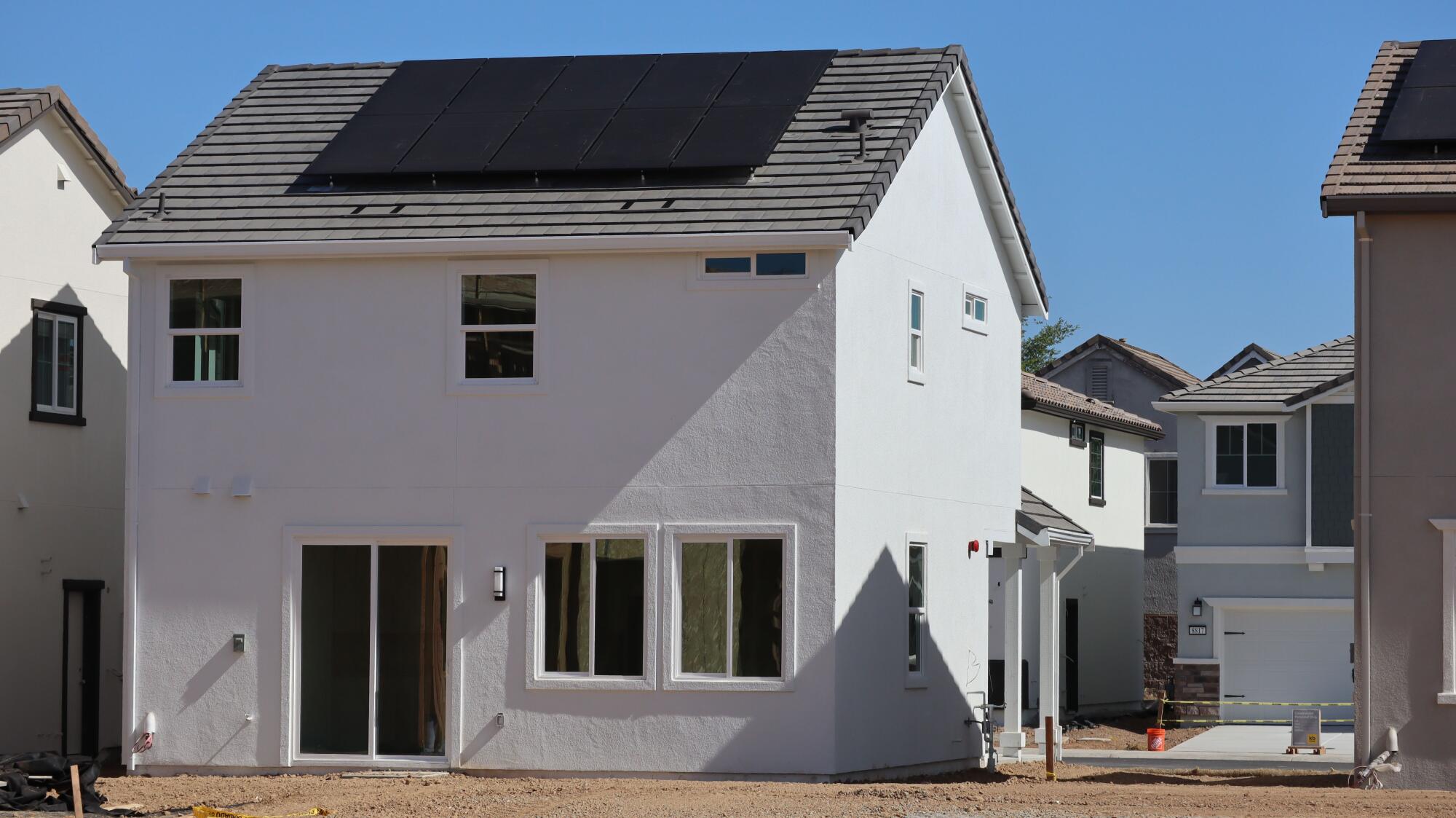
What will homes look like in a greener future for families? Modern building methods are changing how houses are designed today across cities.
Energy costs and climate concerns push builders toward smarter and cleaner solutions. Sustainable residential construction is now more important than it has ever been.
New materials and thoughtful designs help reduce waste and energy use significantly. Homeowners can enjoy lower bills and healthier living spaces over time.
This guide explains key trends shaping sustainable home building today for readers. Keep on reading!
Passive Solar Design
Using sunlight to warm homes in a natural way is the goal of passive solar design. During the winter, windows are positioned so that they can absorb heat. With this method, there is less of a requirement for additional heating systems.
During the summer months, homes that have adequate shading are able to maintain a cool temperature. Before beginning construction, builders check the sun’s path. Every time of year, this strategy results in energy savings.
Materials that have a thermal mass store heat for use during the nighttime. Stone and concrete are two materials that are frequently utilized. Homes powered by passive solar energy are more comfortable despite using less electricity.
Smart Insulation Materials
Throughout the year, insulation helps to maintain a consistent temperature inside. Having adequate insulation lowers the amount of heating and cooling that is required. For homeowners, this results in a significant reduction in their monthly energy bills.
Some examples of contemporary materials are foam, wool, and cellulose. Different thermal performance levels are available for each of the available options. When installed correctly, there is a significant increase in overall efficiency.
Insulation is required for wall surfaces, roofs, and floors. It is possible to prevent unwanted air leaks by sealing gaps. Insulating a building effectively results in increased energy savings.
Water Efficiency Systems
In today’s modern homes, water-saving systems serve to reduce waste. Low-flow fixtures consume less water on a daily basis. These fittings continue to perform well despite having lower use.
Rainwater collection systems accumulate water for use in gardening. Professionals such as GT Construction implement contemporary techniques in order to enhance the water efficiency systems of residential properties. Reusing greywater helps reduce the amount of water that households require.
Plumbing that is efficient eliminates the risk of water loss and leaks. Using smart meters, one can monitor their daily water consumption. By using these tools, families are able to save resources.
Green Roofing Systems
Insulation and heat generation are both improved by green roofs. Rooftop plants have the ability to naturally absorb rainwater. This design mitigates the effects of urban heat.
Moreover, green roofs significantly extend the lifespan of roofs. By doing so, they prevent damage to waterproof layers. It is necessary to perform maintenance, but it is still manageable.
Cities are able to maintain their biodiversity thanks to these systems. Green spaces are beneficial to avian and insect populations. In every region of the world, green roofs are gaining popularity.
Energy-Efficient Windows
Having windows that are energy efficient helps to reduce heat loss. Double glazing makes the interior of a building more comfortable. These windows help to block out noise from the outside.
During the summer, distinct coatings reflect heat very effectively. They keep the warmth inside during the winter. This equilibrium makes the experience more comfortable throughout the year.
In addition, window frames have an impact on energy efficiency. Examples of common frame materials include wood and vinyl. Efficient sealing eliminates drafts and stops the loss of energy.
Renewable Energy Integration
In many contemporary homes, solar panels provide the power. In order to generate usable electricity, they convert sunlight. The storage of energy in batteries allows for its later use.
There are some regions that make use of wind turbines. Systems that are small are a good fit for residential properties. There is less of a reliance on fossil fuels thanks to these sources.
Smart grids are able to effectively manage the distribution of energy. Through the use of apps, homes can monitor usage. This contributes to the reduction of energy waste as a result.
Sustainable Building Materials
Materials that are sustainable have a smaller impact on the environment. Bamboo is an option for construction that grows quickly. The construction industry makes extensive use of recycled steel.
The use of reclaimed wood gives homes more personality. In addition, it lowers the demand for newly cut timber. Using materials with low impact helps to preserve nature.
Using locally sourced materials helps reduce emissions from transportation. Eco-friendly supply chains are becoming increasingly popular among builders. These decisions contribute to the achievement of long-term sustainability goals.
Smart Home Technology
Systems that are smart for the home improve energy control. Thermostats are devices that automatically adjust the temperature. Lights are turned off when they are not being used.
Sensors are able to detect motion while simultaneously conserving energy. Applications make it possible to easily manage a home remotely. Automation helps to cut down on power consumption that is not necessary.
In homes, smart devices collaborate. Daily, they enhance both comfort and efficiency. There is a gradual process of upgrading older systems.
Waste Reduction in Construction
There is now careful management of waste from construction. It is necessary to measure the materials to minimize excess. Materials recycling helps to reduce the pressure on landfills.
The use of prefabricated parts helps to reduce waste on the construction site. Using precise control, factories construct the components. This approach makes construction projects go more quickly.
A careful planning process will result in fewer materials as leftovers. Construction companies today adhere to stringent waste guidelines. Practices that are sustainable improve the overall efficiency of the site.
Sustainable Residential Construction: Building Greener Homes for a Better Future
Sustainable building practices shape modern residential construction in ways that are good for the environment in the long term. Efficient use of energy in the home lowers monthly bills and makes the family more comfortable.
Green building cuts down on pollution and improves the health of the community. The materials and technologies we use today make homes use a lot less energy.
Home energy management is better with smart systems. Around the world, traditional building methods are changing to be more environmentally friendly.
Did you like this guide? Great! Please browse our website for more!
