
Key Takeaways
- The right fencing solution boosts both privacy and property security.
- Diverse materials and designs cater to various requirements and preferences.
- Long-term maintenance and durability should shape your decision.
- Understanding and abiding by local regulations is necessary before installation.
Ensuring privacy and security for both residential and commercial properties is crucial. Selecting the right fence extends beyond aesthetics; it serves as an effective barrier against intrusions. Whether you’re a homeowner or managing business premises, choosing the best fencing option means considering privacy, long-term security, and how each solution fits within your property’s unique environment. For those seeking a blend of reliability and presentation, exploring various fencing materials and styles is essential. Find more information and personalized guidance at https://furlongfence.com. Sound fencing choices also address practical concerns such as safety for children and pets, as well as compliance with local laws. With so many advancements in fencing technology over recent years, owners have access to better, safer, and more attractive options than ever before.
Understanding the Role of Fencing in Security and Privacy
A well-installed fence does more than mark property boundaries. It establishes a first line of defense that discourages trespassing, keeps pets and children safe within the property’s borders, and helps reduce unwanted noise. The right fence style contributes to creating a safe and tranquil environment and plays a pivotal role in property value and curb appeal. Modern homeowners and business owners are recognizing that balancing beauty and function is possible. Whether you need to keep your backyard shielded from neighbors or protect valuable inventory on a commercial lot, fences work as both deterrents and decorative elements. Understanding your main priority, whether privacy, security, or both, is essential at this initial stage.
Best Materials and Designs for Privacy Fencing
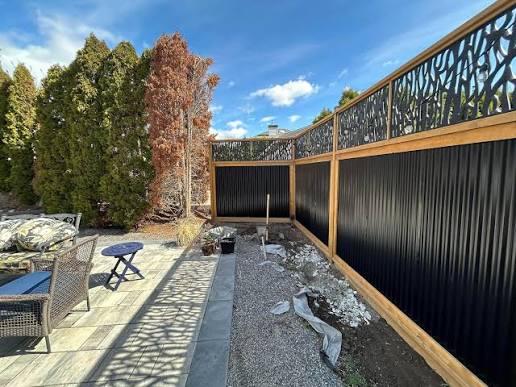
Privacy fencing depends on material choice and construction style. Solid panels made of wood, vinyl, or composite materials maximize seclusion by blocking direct sightlines from the outside. Wood fences deliver timeless charm and can be painted or stained to complement the house or landscape, but they do need regular treatments to prevent rot or insect damage. Vinyl fences offer excellent durability, often lasting for decades with minimal upkeep. Composite fences merge the aesthetics of wood with the endurance of plastic polymers. Vinyl solutions, such as “The Biltmore” Vinyl Privacy Fence, are growing in popularity, combining strength with low maintenance. Innovations in fence design have resulted in slats and boards that interlock seamlessly, making it nearly impossible for onlookers to peer through.
Security-Driven Fencing Solutions for Homes and Businesses
When security is the chief concern, fencing must offer more than simple privacy. A chain-link fence is cost-effective and tough, and with enhancements like barbed wire or added privacy slats, it becomes extremely difficult to breach. Commercial clients often choose galvanized steel or coated chain-link fences for their proven longevity and resistance to environmental factors. Recent advancements have focused on customizable solutions that fit the specific security risks of commercial properties. Some fencing providers specialize in business-grade solutions, offering additional services like automatic gates and integrated surveillance. Fire-resistant aluminum fencing is another innovation worth considering, especially in fire-prone areas or businesses that store sensitive materials. Aluminum fences are immune to rust, require virtually no maintenance, and are now available with features that meet new fire-safety guidelines.
How Fence Maintenance Impacts Long-Term Value
Every material has unique maintenance requirements that affect your investment over time. Wood, while beautiful, may need staining, sealing, and termite protection. Vinyl and modern composites are much easier to care for, requiring little more than the occasional wash with water. Metal options like aluminum typically require only basic cleaning, though welding or painting may be needed if damage occurs. Planning routine inspections and quick repairs extends the fence’s lifespan and ensures it continues to provide safety and privacy year after year.
Staying Compliant: Understanding Local Regulations
Regulations governing fence installation vary by region and municipality. Restrictions might include maximum height, setbacks from property lines, and even approved materials or colors for particular districts. Ignoring these ordinances can lead to complaints, fines, or forced removal of the fence. It is important to check with your local zoning office or consult a professional fencing installer to ensure your chosen design complies with all applicable laws before starting construction. This prevents legal complications and ensures a smoother installation process.
Conclusion
Selecting the right fence for privacy and security means balancing visual appeal, strength, maintenance needs, budget, and local regulations. Homeowners who prioritize careful assessment and quality materials can benefit from enhanced safety, improved curb appeal, increased property value, and confidence in their compliance with local requirements. The ideal fencing solution should not only protect your property but also complement its design and withstand environmental challenges over time. Factors such as fence height, material durability, installation quality, and future upkeep should all be considered before making a final decision. Proper research, professional advice, and trusted guidance can make the difference between a short-term solution and a lasting investment that fulfills your privacy and security expectations. With the right approach, a well-designed fence can provide reliable protection, functionality, and beauty for many years.

Privacy fencing made a bigger difference at our place than I expected, especially once the backyard started feeling like a real extension of the house. We chose a taller wooden fence and added a simple gate lock, then started thinking more seriously about overall home security too. That is actually how I ended up reading Slomin’s reviews while comparing alarm and monitoring options. I like the idea of combining physical barriers with good lighting and basic security habits instead of relying on just one solution. A well-planned fence can add privacy, define the property, and make the whole outdoor space feel more comfortable.