
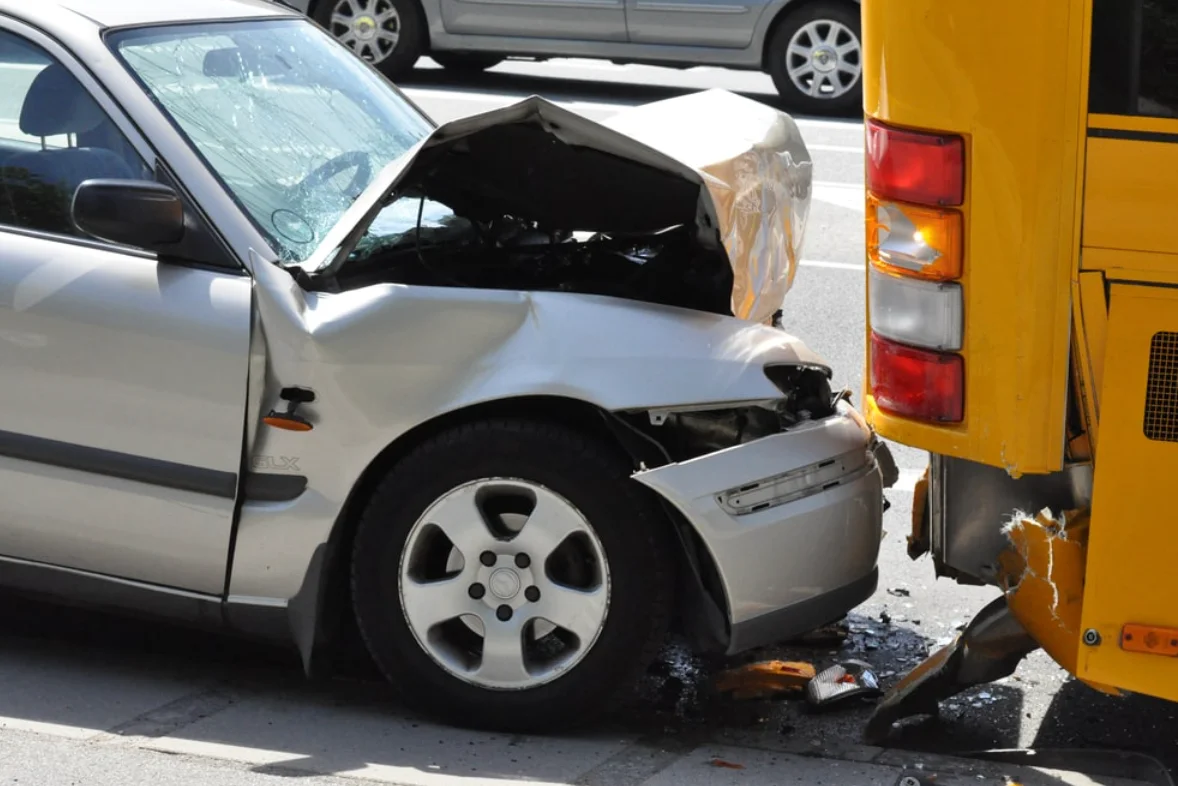
A bus collision can leave Buffalo passengers and bystanders unsure of what to do next, especially when traffic is heavy, visibility is poor, or lake-effect snow has made roads slick. Whether the crash involves a city bus, school bus, shuttle, or charter vehicle, a bus accidents attorney can help an injured person understand the practical and legal issues that may follow.
The first goal is not to determine fault at the scene. Focus on immediate safety, medical needs, and accurate information. Calm steps taken in the minutes and days after a crash can help protect your health and preserve details that may later matter to doctors, insurers, investigators, and transit agencies.
1. What to Do in the First Few Minutes
Check for immediate danger. If the bus is in an active traffic lane, near leaking fuel, or in another hazardous location, move only as directed by the driver, police, firefighters, or medical personnel. On busy Buffalo streets and winter roads, staying clear of traffic is especially important.
Call 911 if emergency services have not already been contacted. Help others only when it is safe to do so. Avoid moving someone who may have a neck, back, or spinal injury unless remaining in place creates a greater danger.
2. Why Medical Care Should Come First
Some injuries do not cause full symptoms immediately. Adrenaline, shock, and stress can mask pain after a sudden stop or impact. Prompt care creates a record of your symptoms, examinations, treatment, and follow-up needs. The EMS and post-crash care guidance emphasizes the importance of quick medical response and safer crash scenes.
If a bus collision involved a pedestrian or cyclist near a stop, crosswalk, or intersection, speaking with a bicycle accident attorney may be useful when the circumstances involve a separate bicycle-related injury claim.
Symptoms that deserve prompt attention
- Headache, confusion, dizziness, or nausea
- Neck, shoulder, or back pain
- Numbness, weakness, or balance problems
- Chest pain, abdominal pain, or breathing trouble
- New pain that worsens during the hours after the crash
3. How to Record Details Safely
If you are physically able and the scene is safe, record facts without interfering with responders. Note the date, time, exact location, bus route, vehicle number, bus company, weather, road conditions, and direction of travel. Photos can be helpful, but never step into traffic or enter a restricted area to get them.
Take pictures of visible injuries, damaged personal property, the bus exterior, nearby signals, and the general scene when appropriate. Save original photos and videos without editing them. It is also wise to avoid posting opinions, accusations, or detailed crash accounts on social media.
4. What Witnesses Should Write Down
A witness does not need to decide who was responsible. The most useful account describes what the witness personally saw, heard, or did. Write notes as soon as possible because memories can fade quickly after a stressful event.
- Record the date, time, and location.
- Describe where you were standing, sitting, or driving.
- State what happened before, during, and after the collision.
- List other people who may have seen the event.
- Save original photos, videos, and messages.
5. How to Report the Crash
Passengers and witnesses may be asked to speak with police, transit staff, school officials, an employer, or an insurance representative. Give accurate contact information and explain only what you know. Saying that a bus “stopped suddenly” is different from guessing why it stopped or who was careless.
Public transit agencies, school districts, private carriers, and charter companies may use different incident-reporting procedures. Follow instructions from local authorities, and request a report or incident number when one is available.
6. How to Preserve Helpful Evidence
Useful evidence can include police reports, medical records, witness names, photos, receipts, missed-work documentation, and damaged belongings. Bus cases may also involve surveillance video, dispatch records, driver logs, maintenance records, and nearby traffic-camera footage.
Video may not be stored indefinitely. Write down the locations of cameras near the crash, including cameras on the bus, at businesses, or around intersections. The federal passenger safety tips for bus travel also explain emergency actions and safety concerns passengers may encounter.
7. What to Know About Insurance Calls
An insurance representative may contact you soon after the crash. Be honest, but do not guess, minimize symptoms, or speculate about fault. Ask for the caller’s name, company, phone number, and claim number, then keep copies of every letter, email, and form.
Read any release or settlement offer carefully. A quick payment may not account for treatment or symptoms that develop later. Insurance coverage and claim procedures can vary based on the vehicle, operator, policy, and circumstances.
8. Why Deadlines Matter in New York
Deadlines can differ depending on whether the bus was operated by a public agency, school district, private company, or another organization. A crash involving multiple vehicles or multiple injured passengers can also create added complications. Ask about applicable filing and notice requirements as early as possible.
9. Mistakes That Can Make Recovery Harder
- Leaving without giving responders your contact information.
- Skipping medical care because the pain initially seems mild.
- Throwing away damaged glasses, clothing, phones, or other items.
- Posting blame or detailed opinions online.
- Failing to track missed work and out-of-pocket costs.
- Giving inconsistent versions of the event.
- Signing paperwork without understanding what it affects.
- Waiting too long to ask about local requirements.
10. A Simple Buffalo Bus Accident Checklist
- Call 911 and move to safety if instructed.
- Seek medical care and monitor new symptoms.
- Record the bus number, route, location, and time.
- Collect witness contact information when safe.
- Report the incident accurately.
- Save photos, bills, records, messages, and damaged property.
- Review insurance paperwork before signing.
- Check applicable deadlines promptly.
Conclusion
The aftermath of a bus accident can feel chaotic, whether it happens during a downtown commute, a school pickup, or a trip through Western New York. A simple plan helps: prioritize safety, obtain medical care, preserve facts, and keep organized records. Those early steps can make the recovery process more manageable while ensuring the details of the crash are not lost.

David Weber is an experienced writer specializing in a range of topics, delivering insightful and informative content for diverse audiences.
Small visual details can make a profile feel more intentional, but finding compatible characters across devices is often the difficult part. Aesthetic Symbols is useful when people want a clearer way to compare options for bios, captions, and usernames before copying them. Grouping symbols by mood and use case also helps avoid combinations that look cluttered or render inconsistently. A short note about platform support beside each collection would make selection even easier.
Small notation details can prevent avoidable confusion when formulas move between documents, code, and web pages. Approximately Symbol is useful as a compact reference for distinguishing ≈ from related relation signs, checking the correct Unicode character, and finding the appropriate HTML, CSS, JavaScript, or LaTeX representation. A quick copy-and-verify step also helps preserve meaning when equations are shared across editors that render symbols differently.
A clearer tattoo brief can make an initial artist conversation much more productive. It helps to separate the subject, style references, placement, approximate scale, and elements that should be avoided. Patchwork Tattoos can support this early visual-planning step by turning loose ideas into references that are easier to discuss, while leaving artistic judgment and final design choices with the tattoo artist.
The rewards here are insane compared to other places I’ve tried. Really feeling the luck on this site lately ph777bar
Had a great run last night and the bonuses are actually generous. It is rare to find such a reliable spot these days. Give inzaraabet a try!
I love how straightforward the registration process is. No hidden fees and everything is transparent. 4444win3 is a winner for me.