
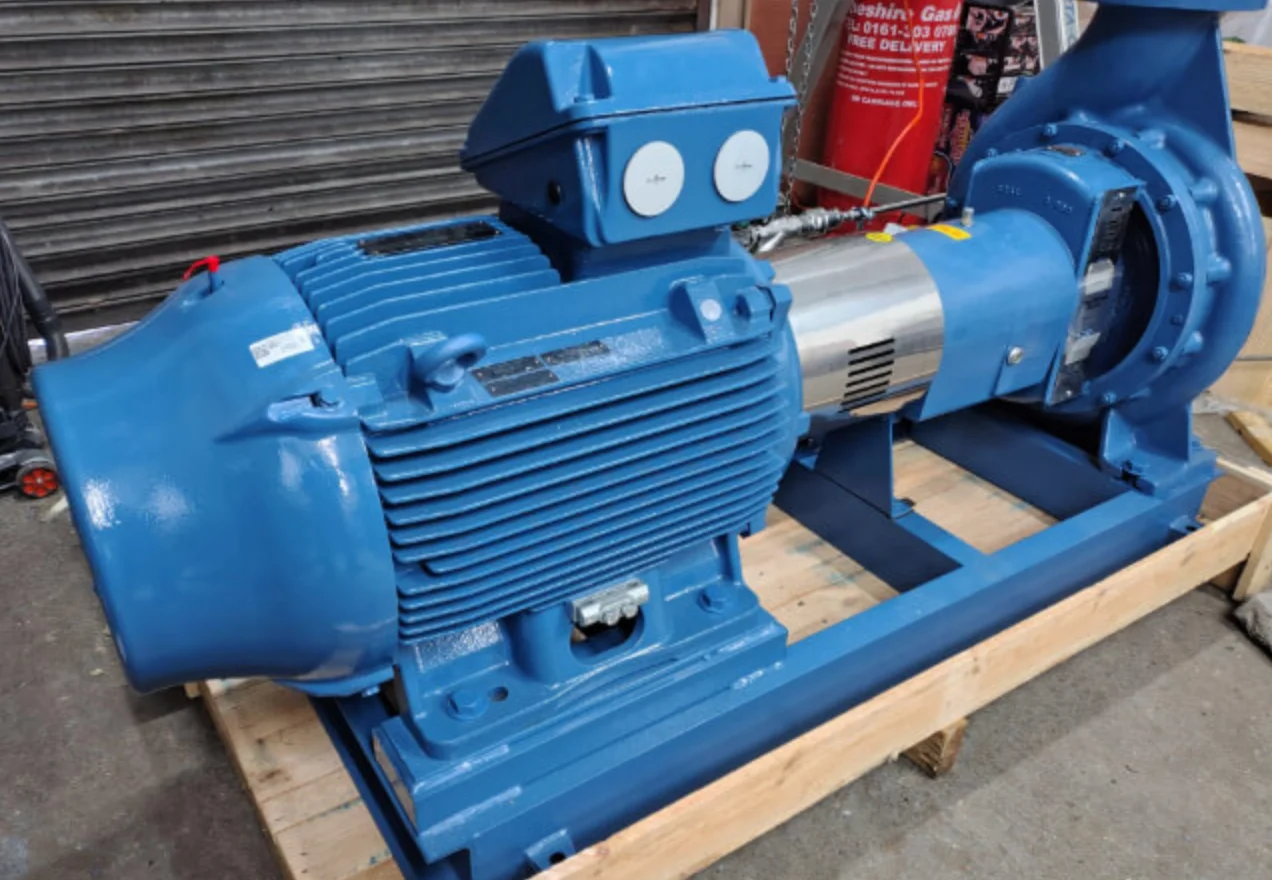
A sudden loss of flow creates pressure to name the fault quickly. The sound may have changed, the discharge may look weak, or an operator may see intermittent bubbles at a sight point. Those observations matter, but they do not prove a single cause. Air entering the suction side and cavitation can both be discussed when a pump runs roughly or produces less head, yet they arise from different conditions and need a qualified review rather than a guess made from one symptom.
Self-priming equipment is often misunderstood as a pump that needs no attention at startup. KSB explains that a self-priming pump removes air from the suction line, whereas an ordinary centrifugal pump needs initial filling. The retained liquid inside a self-priming arrangement assists that air-removal process. Installation details and the initial condition still matter. Loss of prime can therefore be a useful description of what is happening, not a diagnosis of why it happened.
For equipment identification, the BBP self-priming pump range distinguishes clean-water and solids-related designs. Identifying the installed model and impeller arrangement gives the service team a more useful starting point than treating every self-priming pump as the same machine.
Separate the observation from the explanation
Record the self-priming pump model with the event, including any known impeller or suction-line changes. A report about suction air needs that equipment context as well as the operator’s observations.
Begin with plain facts. Note the time, the duty being served, whether flow fell gradually or abruptly, what controls changed, and what the crew could see safely from normal operating positions. Record gauge readings where fitted, tank level, suction source level, discharge destination, and any visible leakage. Short recordings of sound or control indication can be useful when site rules allow them.
A good record says “flow indication fell while the tank level was lower than usual” instead of “the pump cavitated.” It says “intermittent bubbles were observed in the suction-side transparent section” instead of “there is an air leak.” This restraint keeps later review open to the evidence. It also avoids sending maintenance teams toward an unsafe or irrelevant intervention.
KSB describes cavitation as related to local pressure and vapour pressure. Noise, rough running, and reduced head or efficiency may be associated with it, but none of those signs proves cavitation by itself. The same article is useful precisely because it keeps the physical explanation tied to pressure conditions, rather than treating every rattling sound as conclusive.
Look for a suction-air story without opening the system
Air can enter a suction arrangement through a connection, seal, hose, fitting, or condition that exposes the intake. The evidence may include visible bubbles, changing prime behaviour, a changing source level, or a pattern that appears after an installation change. No single clue settles the matter. Conditions can also shift with temperature, liquid level, or the position of a valve elsewhere in the route.
Capture what changed before the symptom appeared. Did the source tank level move? Was a hose replaced? Did a strainer receive attention? Was a standby line brought into service? Did a change in the process alter the liquid or the length of time the pump sat idle? Maintenance reviewers need chronology as much as a pressure reading.
Do not respond by loosening a joint while the system is pressurised, venting hot liquid, or opening equipment that has not been isolated. Those actions create risks that a written troubleshooting note cannot manage. The useful action at this stage is observation, controlled shutdown where site procedure calls for it, isolation, and transfer of the evidence to people qualified to inspect the equipment.
Recognise why cavitation needs more than a sound check
For a centrifugal pump review, preserve the installed impeller information alongside the liquid temperature, suction-source level, recent work, observed flow, and the point at which any pressure reading was taken, because a reviewer comparing that record with an old installation drawing needs to know whether the equipment and pipe route still match the assumptions behind the original selection.
When liquid pressure falls near its vapour pressure in part of the pump, vapour formation and collapse can affect operation. That description explains why suction conditions are part of the review. It does not mean that a person standing near the motor can determine the pressure history by listening. Rough sound may come from several places, including pipe vibration, a bearing concern, a process restriction, or entrained air.
Useful context includes liquid temperature, source level, observed suction restrictions, process demand, and whether the problem occurs at one flow condition or across the day. The log should note the state of automatic controls without asking an operator to change protected settings. If a qualified team later compares readings with design and installation information, those notes make the comparison much stronger.
Reduced head and efficiency can appear in a cavitation discussion, yet plant evidence should not convert them into a diagnosis. Treat them as prompts for review. A qualified evaluator can then assess suction conditions, liquid properties, pump duty, and the physical condition of the installation using the applicable drawings and site procedures.
Know the product category being discussed
Product names should not replace a duty description. BBP’s self-priming pump page distinguishes a clean-water route with a closed impeller from a solids-related route with a semi-open impeller. That distinction can guide the first question: what liquid and solids context is the system actually handling? It does not establish a correct selection for an existing plant.
During a BBP discussion, give the supplier a clear statement of the liquid, expected solids where relevant, suction arrangement, duty, and observations from the event. Mention whether the concern is a clean-water self-priming pump, a semi-open-impeller solids service, or another centrifugal pump category. That information is more useful than a request to “stop cavitation” with no installation context.
Prepare a handoff that maintenance can use
A practical handoff is short enough to read during a shift. Include the asset identifier, event time, operating state, source level, available flow and pressure observations, control indication, visible symptoms, recent work, and the safety status of the equipment. Add photographs only when they are taken from a safe position and permitted by the site.
Mark unknowns plainly. The installed impeller type may be unknown. The current line-up may not match the drawing. The actual liquid temperature may not be logged. An honest unknown is better than a field estimate that later becomes a false design input. It gives the reviewing team a focused check list.
Escalation should respect the work boundary. Do not prescribe live electrical work, pressure-side disassembly, hot-liquid venting, or arbitrary valve movements. Qualified personnel can decide whether inspection, measurement, controlled testing, or a change in operating procedure is appropriate after isolation and relevant permits are in place.
Use the event to improve the next review
Recurring flow loss is worth tracking by condition. A table with date, liquid state, tank level, control state, observed flow, and action taken may show a pattern that an isolated incident hides. Patterns can reveal that the symptom follows a particular process route or source level, while still leaving the technical diagnosis to the people responsible for it.
Self-priming capability does not remove the need for a suitable installation, retained liquid where the design requires it, and routine attention to the suction path. Neither does a noise report establish cavitation. When requesting a BBP service or selection review, attach the event record to the actual model and installation information. Careful observation, safe isolation, and a disciplined handoff give the review team what it needs to determine the next step.

David Weber is an experienced writer specializing in a range of topics, delivering insightful and informative content for diverse audiences.
I’ve been playing here for a month and the experience has been awesome. Great community and very transparent rules. kk77game is the way to go.