

A wellness sanctuary at home is a dedicated indoor space that supports physical recovery, mental calm, and daily restoration through heat, quiet, hydration, breathing, and intentional rest. For readers of Faithbiblepath, a wellness sanctuary at home also fits a household rhythm that values stewardship, peace, discipline, and care for the body. Faithbiblepath publishes across health and lifestyle categories, which makes this topic relevant for readers who connect daily routines with personal renewal.
Daily recovery is the process of helping the body return to a steadier condition after work, exercise, stress, travel, or household demands. Heat-based recovery is one part of that process. A home steam room, sauna, quiet chair, towel station, and hydration area create a small recovery zone that supports consistency.
What Should a Wellness Sanctuary at Home Include?
A wellness sanctuary at home should include 5 core recovery zones: heat, cooling, hydration, quiet seating, and clean storage. Each zone supports a different part of the recovery process, from raising body temperature to helping the body cool down, rehydrate, and return to a calmer state.
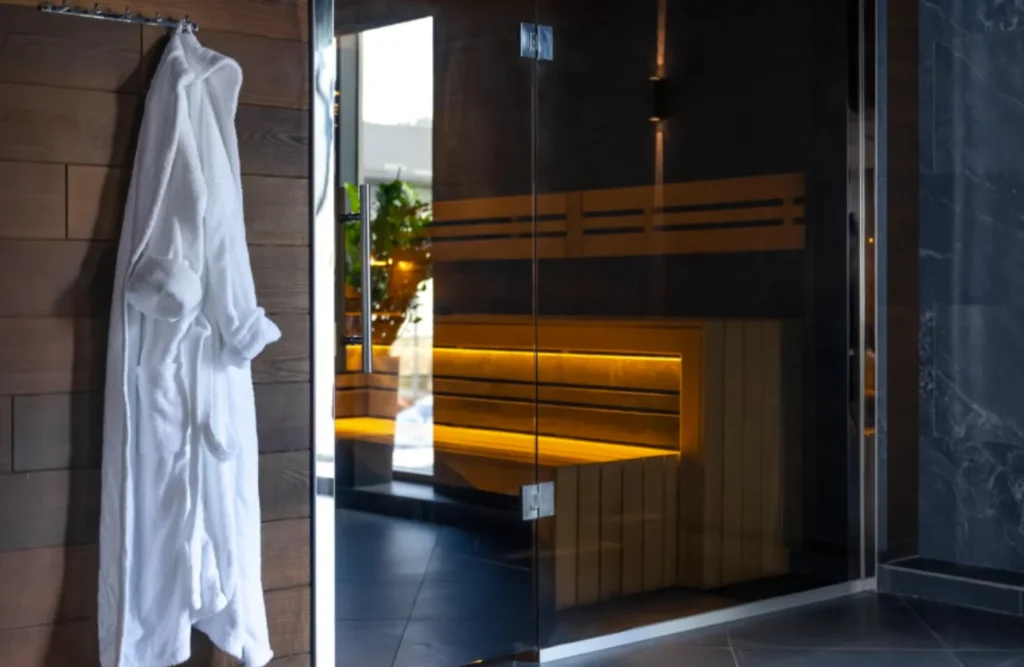
The following are the 5 main zones that make a home wellness sanctuary more functional for daily recovery.
Heat Zone
The heat zone is the main recovery feature. It includes a home steam room, sauna, or compact heat therapy unit. This zone supports relaxation by exposing the body to controlled warmth for a limited period. A steam room creates moist heat, while a traditional sauna creates dry heat. The best option depends on personal comfort, available space, and ventilation needs.
Cooling Zone
The cooling zone helps the body return to a normal temperature after heat exposure. This zone includes open air, a nearby fan, a cool shower, or a seated rest area outside the sauna or steam room. Cooling matters because the body continues to sweat after leaving the heat. A slow cool-down reduces dizziness and supports a safer recovery routine.
Hydration Zone
The hydration zone keeps water within reach before and after each session. This zone includes a water bottle, mineral water, or electrolytes when needed after exercise or heavy sweating. Hydration supports comfort because sauna and steam sessions increase fluid loss through sweat. Alcohol should not be part of this zone because alcohol increases dehydration risk.
Quiet Seating Zone
The quiet seating zone gives the mind a place to settle after the body warms and cools. This zone includes a chair, bench, prayer corner, reading table, or floor mat. It supports breathing, Scripture reading, reflection, journaling, and silence. This part turns the space from a simple heat room into a complete wellness sanctuary at home.
Clean Storage Zone
The clean storage zone keeps recovery items organised and sanitary. This zone includes towels, robes, sandals, cleaning cloths, essential hygiene supplies, and laundry storage. Clean storage prevents clutter and makes the routine easier to repeat. A recovery space works better when every item has a fixed place.
A homeowner can build these zones in a bathroom, basement, spare room, enclosed patio, garage wellness area, or home fitness room. The space does not need to be large. The space needs safe flooring, proper airflow, moisture control, nearby water access, drainage where required, and professional electrical work for installed heat systems.
How Does a Home Steam Room Support Recovery?
A home steam room supports recovery by combining warm air with high humidity. Moist heat warms the skin, encourages sweating, and creates a breathing environment that feels different from dry sauna heat.
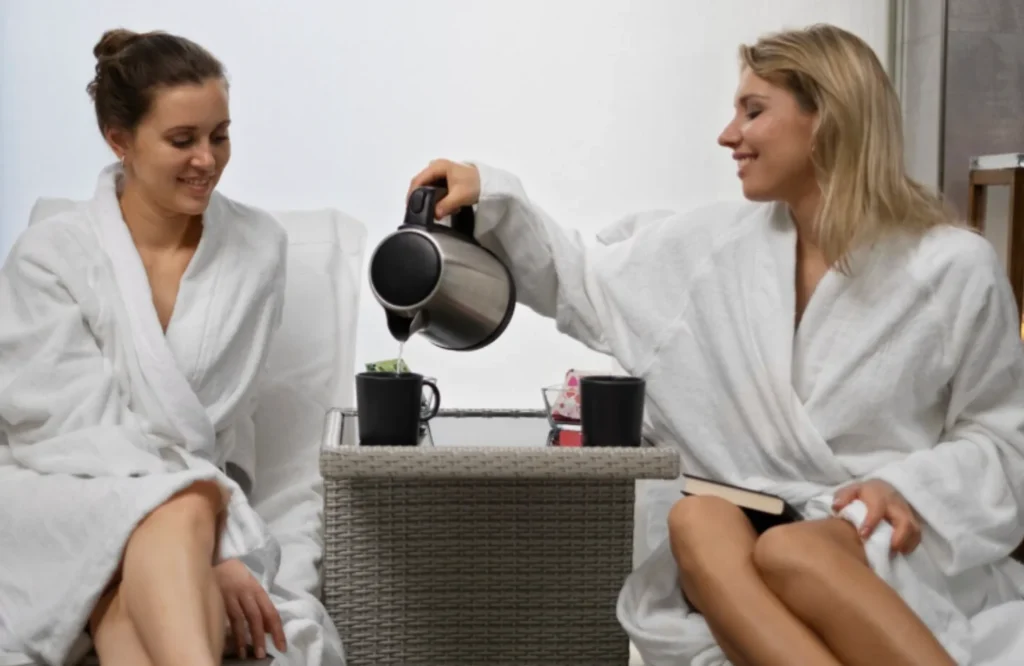
Steam rooms use humidity as the main comfort factor. The moist air surrounds the body and limits rapid sweat evaporation. This creates a softer heat experience for people who prefer moisture over dry heat.
Steam also supports relaxation because it turns the recovery space into a slower environment. The user sits still, breathes steadily, and exits after a short session. A simple rule works well: start with shorter sessions, assess personal tolerance, and stop when dizziness, nausea, or unusual discomfort appears.
For a compact heat feature, an indoor steam room for home gives the recovery space a clear centre point. GeyserSteam presents its site around premium home steam room and sauna systems, which match the home wellness sanctuary context.
How Does a Traditional Sauna Support Daily Recovery?
A traditional sauna supports daily recovery through dry heat, short exposure, sweating, and a planned cool down. Dry sauna rooms use higher heat with lower humidity than steam rooms.
The body responds to sauna heat through increased skin blood flow, sweating, and a higher heart rate during exposure. Research published in Mayo Clinic Proceedings reviewed sauna bathing and reported associations with cardiovascular, blood pressure, respiratory, pain, and quality of life outcomes. The authors also noted that stronger controlled studies remain important for clearer conclusions.
A traditional sauna fits households that prefer dry heat and a classic sauna setting. GeyserSteam lists traditional dry saunas as a dedicated product category with indoor and outdoor options, which helps readers connect the anchor text with the linked page topic.
What Daily Recovery Routine Works Best at Home?
A daily recovery routine works best when it is short, repeatable, and easy to maintain. A practical routine uses 20 to 45 minutes from start to finish.
Begin with 5 minutes of water, stretching, and quiet breathing. Use the steam room or sauna for a short heat session based on tolerance. Cool down for 5 to 10 minutes. Finish with prayer, reading, or silent breathing. End with a shower and sleep preparation if the routine happens at night.
This routine works because it connects body cues with spiritual cues. Warmth relaxes the body. Silence settles attention. Hydration supports comfort. Repetition turns the space into a dependable recovery habit.
Conclusion
A wellness sanctuary at home supports daily recovery by creating a repeatable space for heat, hydration, quiet, and spiritual rest. A steam room offers moist warmth. A traditional sauna offers dry heat. Both indoor steam rooms and saunas for home work best with short sessions, safe cooling, and consistent use.
For readers building a peaceful recovery space, GeyserSteam offers handcrafted indoor and outdoor setups tailored for residential wellness. The next step is simple: choose the heat style that fits the home, set safety rules, and make the space serve daily renewal rather than occasional luxury.

David Weber is an experienced writer specializing in a range of topics, delivering insightful and informative content for diverse audiences.