
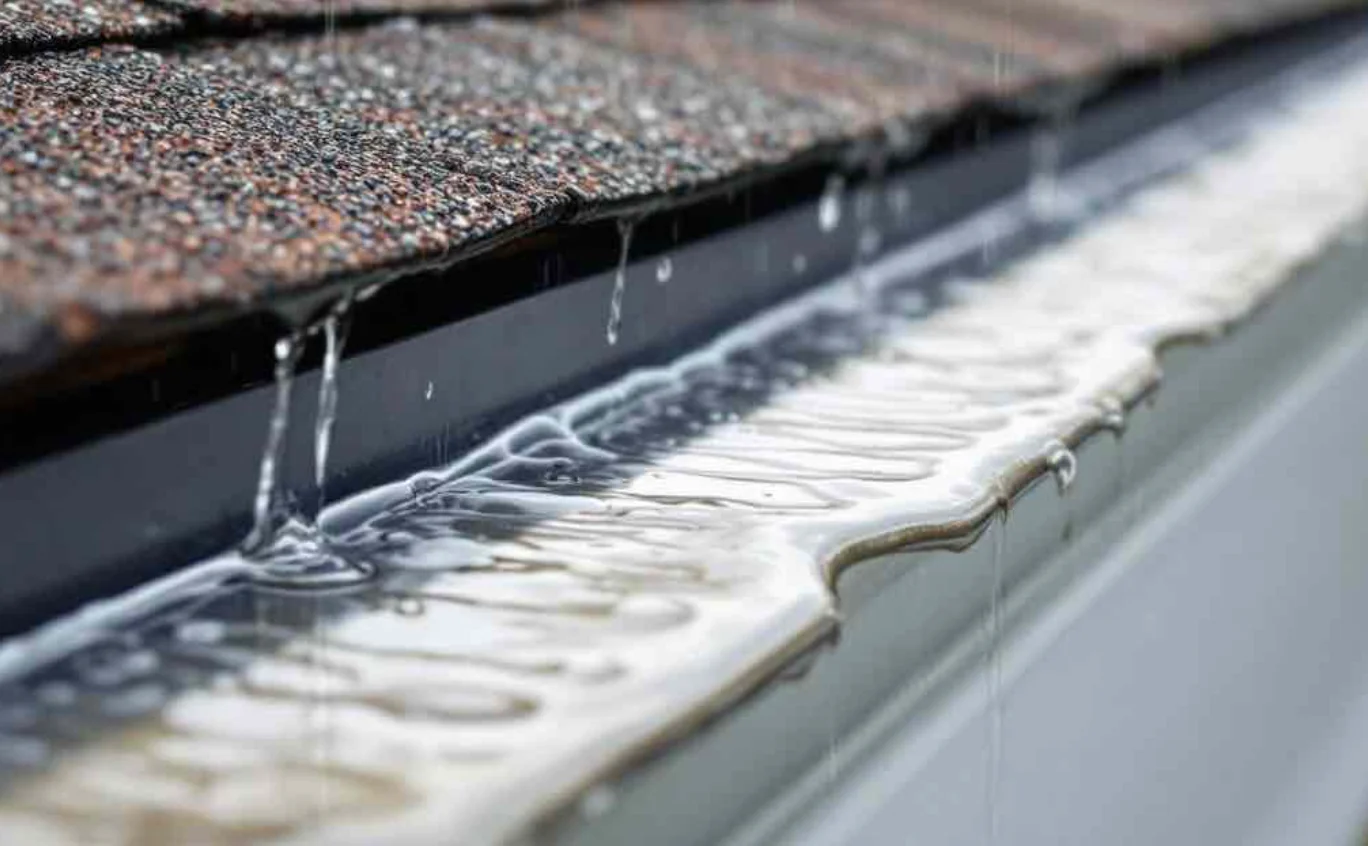
A well-built home depends on careful protection from moisture. Water can travel through tiny gaps, settle in unseen spaces, and weaken structures over time. Homeowners usually notice damage only after stains appear or surfaces begin to deteriorate. Proper roof detailing prevents these issues before they start and keeps interiors dry and secure.
Roof transitions, edges, and joints create areas where moisture may enter if left unprotected. This is where flashing roof systems play a crucial role by sealing vulnerable sections and guiding water away from sensitive surfaces. These protective elements work quietly yet effectively, preserving structural integrity and preventing costly repairs. This article explains how these components function and why they remain essential for long‑term home protection.
Why Roof Flashing Matters for Long‑Term Protection
Roof flashing serves as a protective barrier placed around areas where two surfaces meet. These locations include chimneys, vents, skylights, and valleys where rainwater naturally collects. Without proper sealing, water can slip beneath roofing materials and travel into the interior structure. Over time, this hidden moisture weakens wood, damages insulation, and leads to interior deterioration.
Professional installation ensures these protective pieces fit tightly and guide water toward drainage paths. Skilled placement helps maintain structural strength and prevents moisture from entering vulnerable spaces. As a result, homes stay safer, and roofing systems perform efficiently for years.
Key Areas Where Flashing Prevents Water Entry
Certain roof sections face higher exposure to rain and moisture. Flashing components protect these vulnerable points and keep water flowing away from structural elements.
Common Locations Protected by Flashing
- Chimneys and vent pipes where openings interrupt roofing surfaces
- Roof valleys, where two slopes meet, channel heavy rain
- Skylights that require sealed edges for moisture control
- Roof edges and step transitions near walls
- Dormers and intersections that create natural water pathways
These areas require precise placement to maintain effective protection. When installed correctly, flashing directs rainwater toward gutters and prevents seepage into the structure.
Materials That Improve Flashing Performance
High-quality materials strengthen flashing systems and improve durability. Metal components such as aluminum, copper, and galvanized steel resist corrosion and handle temperature changes effectively. These materials expand and contract without losing shape, which helps maintain tight seals.
Modern protective coatings further enhance durability and extend service life. These finishes prevent rust formation and maintain structural stability across varying weather conditions. Professional installers select materials that match the roof design and climate conditions to ensure reliable performance.
Professional Installation Ensures Lasting Results
Precise placement plays a major role in preventing hidden water intrusion. Professionals evaluate roof layout, slope direction, and drainage patterns before installing flashing components. This careful planning ensures water flows naturally away from sensitive areas.
Experienced roofing specialists also secure joints, apply proper sealants, and confirm alignment with surrounding materials. This level of accuracy reduces gaps and strengthens long‑term protection. A well‑installed flashing roof system blends seamlessly with roofing materials while maintaining strong moisture defense.
Long‑Term Benefits for Home Protection
Reliable flashing systems contribute to the overall durability of a home. These components help preserve insulation, protect wooden structures, and maintain interior comfort. Proper sealing also supports energy efficiency by preventing moisture from affecting insulation performance.
In addition, consistent protection reduces maintenance needs and helps homeowners avoid unexpected structural repairs. Roofing systems remain stable, and interiors stay dry even during heavy rainfall. These advantages make flashing components a valuable investment in long‑term property care.
Water damage can develop quietly, but strong protective measures prevent these problems before they begin. Flashing components guide moisture away from vulnerable areas and preserve structural integrity. With professional installation and durable materials, homes remain protected and comfortable for years. A properly designed roof system continues to support long‑term safety and lasting performance.

David Weber is an experienced writer specializing in a range of topics, delivering insightful and informative content for diverse audiences.