
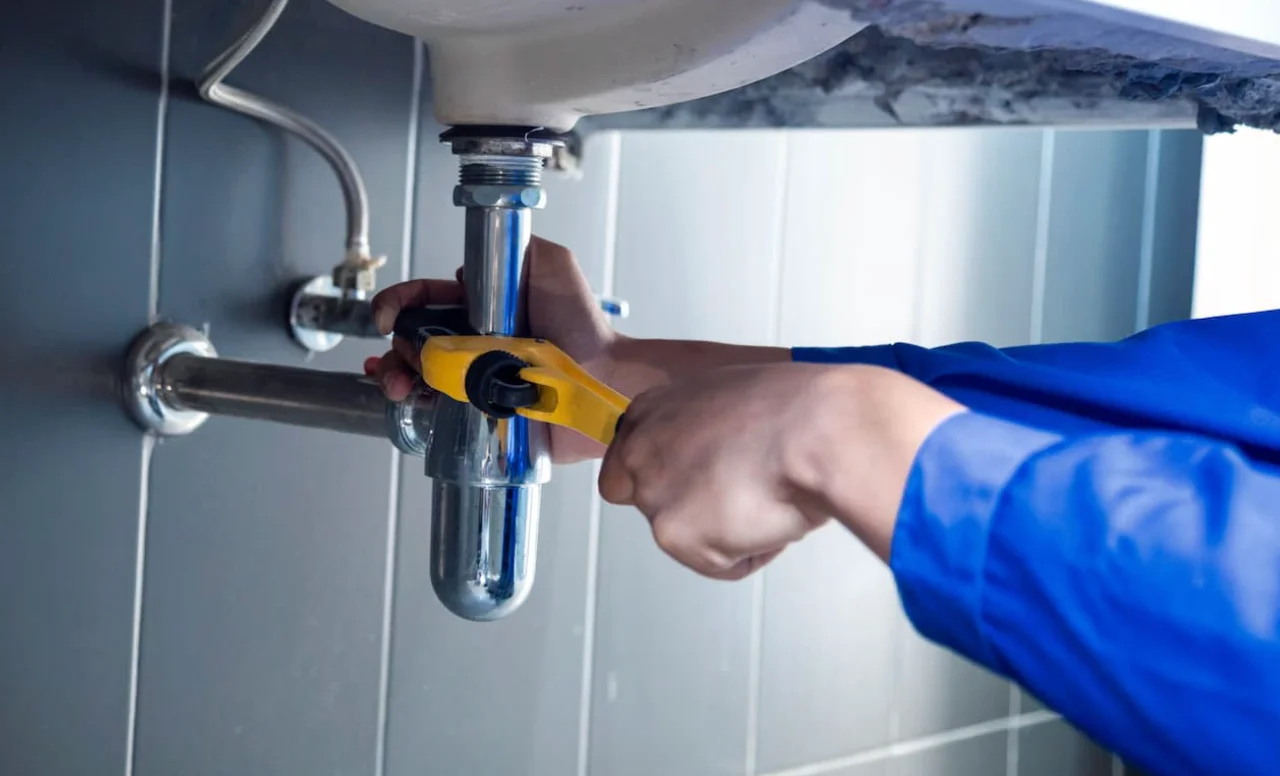
Efficient water use inside homes and commercial buildings has become an important factor in managing monthly expenses and reducing strain on local water systems. Plumbing systems play a central role in how water is distributed, controlled, and consumed throughout a property. When pipes, fixtures, and appliances function properly, water flows only where and when it is needed, reducing unnecessary waste. Over time, even small issues such as hidden leaks or outdated fixtures can lead to noticeable increases in utility bills. Proper plumbing care helps identify these issues early and supports more controlled water usage patterns.
With the right improvements and maintenance practices, households can achieve consistent performance while lowering overall consumption. Understanding how plumbing adjustments influence water behavior makes it easier to see why professional care is essential for long-term savings.
Key Ways Plumbing Improves Efficiency
1. Leak Detection and System Integrity Management
One of the most significant ways plumbing systems improve water efficiency is by identifying and correcting leaks. Even minor leaks behind walls, under floors, or within underground piping can result in substantial water loss over time without being immediately visible. Professional assessment tools help identify these hidden issues before they lead to more serious damage or higher utility costs. Once detected, repairs restore proper flow and ensure that water is used only where intended. This process also helps maintain system pressure balance, which reduces unnecessary strain on connected fixtures.
In many cases, addressing leaks early prevents secondary problems such as mold growth or structural weakening. By maintaining system integrity, plumbing improvements directly reduce waste and ensure water consumption remains within a controlled, predictable range for both residential and commercial properties.
2. Fixture Upgrades and Controlled Water Flow
Modern plumbing improvements often involve upgrading older fixtures to more efficient alternatives designed to regulate water flow more effectively. Faucets, showerheads, and toilets with updated mechanisms are designed to limit excessive use while maintaining strong performance. These improvements reduce the amount of water released per use without affecting daily comfort or convenience. In many households, outdated fixtures are one of the leading causes of unnecessary water consumption. Replacing them can create immediate improvements in monthly utility expenses.
In addition, system adjustments ensure that water pressure is evenly distributed, preventing overuse in certain areas of the property. In some regions, plumbing services available in Vancouver demonstrate how updated installations can significantly reduce long-term consumption patterns while maintaining reliable system output.
Property owners who want to maximize their utility management often look for experienced technicians to handle these upgrades. Investing in regular maintenance helps ensure that all climate and system regulations work properly together throughout the year. To evaluate your options and find the right solutions for your home infrastructure, you can learn this here now to understand how skilled services keep your entire system running efficiently.
3. Proactive Maintenance for Long-Term Property Health
Beyond routine efficiency upgrades, maintaining the physical integrity of a building often involves addressing the hidden ways that moisture can compromise structural materials. When internal leaks or drainage failures go unnoticed, they can lead to extensive damage that requires more than just a simple fix. In such cases, homeowners may need to seek a professional evaluation to ensure that all moisture has been properly mitigated and structural stability is restored. Taking the time to schedule service for a comprehensive inspection can help identify these vulnerabilities before they escalate, providing a clearer path toward a safe and well-maintained environment.
These improvements collectively support a more balanced and efficient water usage structure across the entire plumbing network.
4. Pipe Condition Optimization and Pressure Regulation
Water efficiency is also strongly influenced by the condition and layout of plumbing pipes. Over time, pipes may accumulate mineral buildup, corrosion, or partial blockages that restrict water flow and force systems to work harder than necessary. This inefficiency often leads to increased water usage as occupants attempt to compensate for reduced pressure. Proper maintenance ensures that pipes remain clear and functional, allowing water to move smoothly throughout the system. Pressure regulation devices are also commonly used to maintain balanced distribution across different fixtures. When pressure is too high, it can lead to excessive water consumption and unnecessary strain on plumbing components.
When properly adjusted, these systems help maintain consistent flow while preventing waste. Improving pipe conditions and regulating pressure not only enhances efficiency but also extends the overall lifespan of the plumbing infrastructure, reducing long-term maintenance costs.
5. Water Heating Efficiency and Consumption Control
Water heating systems contribute significantly to overall utility bills, especially in properties with high daily usage. Plumbing improvements often focus on optimizing how hot water is stored, distributed, and consumed. Insulated pipes help retain heat longer, reducing the need for repeated heating cycles. Additionally, properly maintained water heaters operate more efficiently, using less energy to deliver the same level of performance. Sediment buildup inside tanks can reduce efficiency over time, making regular maintenance an important factor in managing costs. Adjusting temperature settings to appropriate levels also helps reduce unnecessary energy consumption while maintaining safe and comfortable usage conditions.
By improving how hot water is managed within a plumbing system, households can reduce both water and energy waste simultaneously. These combined improvements contribute to noticeable reductions in monthly utility expenses while ensuring consistent access to hot water when needed.
6. Drain System Efficiency and Flow Optimization
Drain systems play an important role in maintaining overall plumbing efficiency by ensuring wastewater is removed quickly and effectively. When drains become partially blocked or poorly maintained, water tends to linger longer in sinks, tubs, or appliances, increasing the amount of water used during daily tasks. Proper cleaning and maintenance of drainage lines ensure smooth flow and reduce unnecessary water use. Efficient drainage systems also prevent backups that can lead to water waste and property damage.
In addition, properly designed drain layouts help guide wastewater away from the property in a controlled manner, supporting overall system balance. When all drainage components function correctly, water usage becomes more predictable and efficient.
Ensuring that wastewater moves away from the building without obstruction is a key factor in protecting the long-term health of your property. Strategic drainage planning prevents the accumulation of stagnant water, which can eventually seep into the foundation or walls and cause moisture-related deterioration. By addressing these infrastructure needs through a comprehensive approach, homeowners can maintain a more resilient and functional environment. Working with local specialists like Cape Fear Air, Electric, & Plumbing can help identify potential drainage vulnerabilities before they lead to structural complications, supporting a more stable and efficient household. This proactive care helps ensure that all utility systems remain balanced and well-regulated.
This reduces utility bills by eliminating waste from slow or inefficient water removal processes across different areas of the property.
7. Smart Monitoring Systems and Usage Awareness
Advancements in plumbing technology have introduced monitoring systems that track water usage in real time. These systems provide valuable insights into consumption patterns and help identify areas where water may be used inefficiently. Smart sensors can detect unusual spikes in usage, which may indicate hidden leaks or malfunctioning fixtures. This early detection allows for quicker responses and prevents prolonged waste. Monitoring tools also help property owners understand how daily habits affect overall water consumption, making it easier to adjust their behavior to improve efficiency. In many modern installations, automated alerts notify users of potential issues before they escalate into costly repairs or higher bills.
By integrating monitoring technology into plumbing systems, water usage becomes more transparent and manageable. This level of awareness supports long-term efficiency improvements and encourages more responsible consumption habits across residential and commercial environments.
8. Preventive Maintenance and Long-Term Cost Reduction
Regular maintenance is one of the most effective ways to ensure that plumbing systems continue to operate efficiently over time. Preventive care includes inspecting pipes, testing water pressure, checking fixtures, and cleaning system components to prevent buildup or deterioration. These routine actions help identify small issues before they develop into larger problems that require costly repairs. A well-maintained plumbing system operates more smoothly, reducing unnecessary water loss and improving overall performance.
Consistent upkeep also helps extend the lifespan of pipes and fixtures, reducing the need for frequent replacements. By maintaining system reliability, property owners can avoid sudden spikes in water bills caused by undetected inefficiencies. Preventive maintenance creates a stable foundation for long-term savings and ensures that water usage remains controlled and efficient throughout the year.
Plumbing systems directly impact how efficiently water is used and how much is spent on monthly utility bills. When systems are properly maintained, upgraded, and monitored, they operate more effectively and reduce unnecessary waste. From leak detection to fixture improvements and smart monitoring, each element contributes to better water control and lower consumption. These combined efforts not only reduce costs but also support more responsible resource use. Over time, consistent attention to plumbing systems creates lasting financial and environmental benefits for property owners.

David Weber is an experienced writer specializing in a range of topics, delivering insightful and informative content for diverse audiences.