
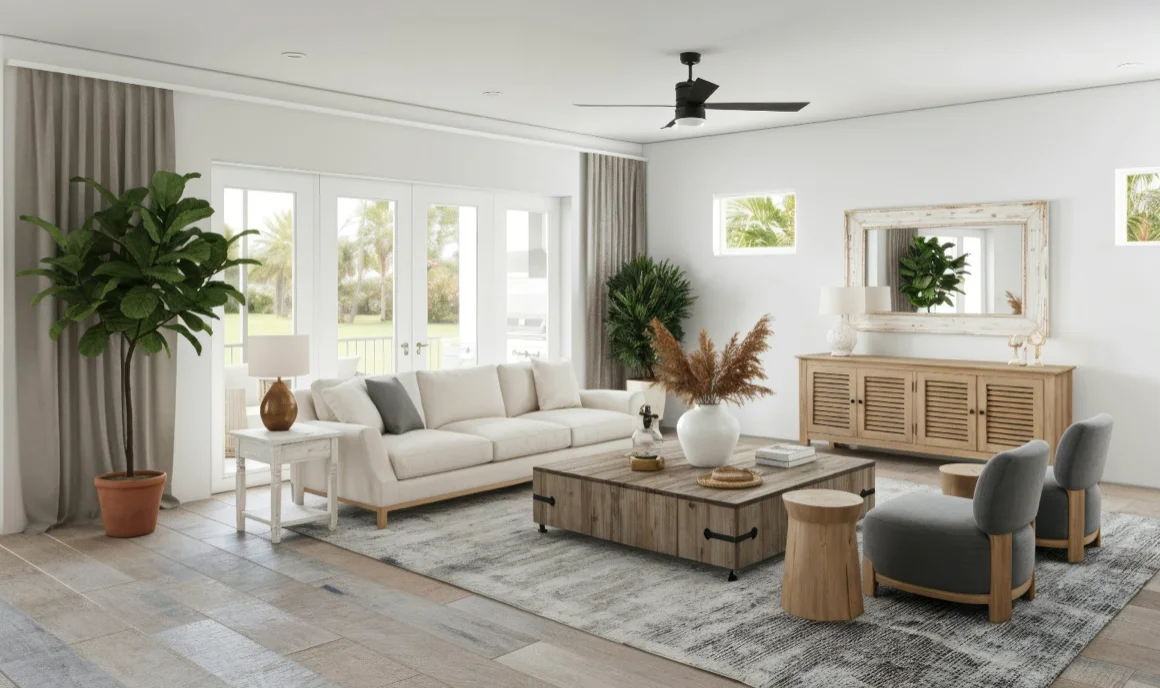
A safe and functional living space supports everyday comfort, productivity, and peace of mind. Whether you own or rent, the way your home is maintained can directly affect your daily routine. Small improvements can make a noticeable difference by improving organization, reducing safety risks, and making spaces easier to use. In many cases, practical changes can enhance both convenience and security without requiring major renovations.
As household needs change, homes should adapt to support them. A well-planned living space promotes efficiency, encourages better organization, and helps prevent avoidable accidents. By focusing on practical upgrades and routine upkeep, it is possible to create a home that is both more comfortable and more functional.
Enhance Energy Efficiency and Indoor Comfort
A comfortable home depends on more than furniture and décor. Indoor temperature, air quality, and energy efficiency all contribute to a better living environment. Proper insulation, adequate ventilation, and efficient heating or cooling systems help maintain consistent comfort throughout the year.
Regular care for these systems is a vital part of home upkeep that often goes overlooked until a problem arises. When a cooling unit functions correctly, it manages both temperature and humidity, which supports a more stable and healthy indoor environment. If you find that your system is struggling to keep up with seasonal changes or making unusual noises, it may be time to seek a professional evaluation. You can continue reading about the importance of routine maintenance and how identifying small issues early can help prevent more significant disruptions to your home comfort and air quality.
Maintaining a functional climate control system is vital for year-round comfort and safety. Routine inspections allow professionals to identify developing issues before they damage major components. For those experiencing inconsistent warmth or unusual noises from their system, seeking a professional for help can ensure that the unit operates efficiently and reliably. Homeowners can find more information about these proactive upkeep strategies from local specialists to support a stable and healthy indoor environment for the entire household.
One of the first areas homeowners should evaluate is their windows and doors, since these features directly influence how well a home retains heated or cooled air. As windows and doors age, gaps, worn seals, and structural wear can gradually develop, allowing air to escape and making it more difficult to maintain consistent indoor temperatures. This added strain often forces heating and cooling systems to work harder, which can increase energy consumption over time. Because of this, simply replacing outdated components may not be enough to achieve the desired results. Proper installation is equally important, as even high-quality products can underperform when they are not fitted correctly. To help prevent these issues and maximize the benefits of an upgrade, many homeowners choose to work with professional window and door installers, who can help ensure that new installations are properly sealed, aligned, and positioned for long-term performance. When completed correctly, these improvements can enhance indoor comfort, reduce energy loss, and contribute to a more efficient living environment.
Strengthening the exterior of a property also involves preparing for regional environmental challenges. In areas prone to severe weather, the structural integrity of entry points is a major concern for safety and security. Specialized upgrades, such as a professional impact door installation, can help protect the home against high winds and flying debris during storms. These reinforced systems are designed to withstand significant force, reducing the likelihood of a breach that could lead to internal damage. Beyond storm protection, these durable installations often provide improved insulation and noise reduction, supporting a quieter and more stable indoor atmosphere for the long term.
Remove Clutter For an Organized Environment
A clutter-free home is one of the simplest ways to improve safety and functionality. Items left on floors, stairs, or walkways can quickly become tripping hazards, especially in busy households. Organizing commonly used areas allows people to move through the home more comfortably and efficiently. It also makes cleaning and routine maintenance much easier to manage.
Storage solutions play an important role in keeping spaces organized. Shelving units, storage bins, and multifunctional furniture can help reduce unnecessary clutter without sacrificing accessibility. Homeowners should focus on keeping frequently used items within easy reach while storing seasonal or rarely used belongings elsewhere. An organized environment supports better use of available space and creates a more practical setting for everyday activities.
Improve Lighting Throughout the Home
Proper lighting contributes significantly to both safety and functionality. Poorly lit areas can increase the risk of slips, trips, and other accidents, particularly in hallways, staircases, and entry points. Improving visibility throughout the home helps residents navigate spaces more confidently and perform daily tasks more effectively.
Natural light can enhance comfort during the day, while well-placed artificial lighting provides consistent illumination after sunset. Layering different types of lighting, including ambient, task, and accent lighting, helps create a balanced environment. Homeowners should also pay attention to outdoor lighting around entrances and pathways. These improvements not only increase visibility but also contribute to a greater sense of security around the property.
Focus on Everyday Safety Features
Many household accidents can be prevented by paying attention to basic safety features. Smoke detectors, carbon monoxide alarms, and fire extinguishers provide important protection and should be regularly inspected to ensure they function properly. Homes should also have clear emergency exits and accessible safety equipment in key areas.
Beyond emergency preparedness, homeowners should identify and address common hazards throughout the property. Loose rugs, exposed cords, and damaged flooring can create avoidable risks. Installing handrails where needed and securing furniture in homes with children can further improve safety. Regularly evaluating the home for potential hazards allows residents to address concerns before they become larger problems, creating a more secure and functional living environment for everyone.
Optimize Space for Better Functionality
The way furniture and household items are arranged can significantly affect how a home functions. Poor layouts often create obstacles that limit movement and make rooms feel smaller than they actually are. Homeowners should evaluate how each space is used and arrange furnishings to support daily activities. Clear pathways and accessible storage can improve convenience while making rooms more comfortable to navigate.
Modern households often require flexible spaces that serve multiple purposes. A spare room might function as both a home office and a guest bedroom, while a dining area may double as a workspace. Thoughtful planning helps maximize available square footage without creating unnecessary clutter. Functional layouts support productivity and make everyday routines easier to manage.
Prioritize Durability and Low-Maintenance Solutions
Choosing durable materials can help homeowners avoid frequent repairs and replacements. High-quality surfaces, fixtures, and finishes often perform better under daily use and maintain their appearance for longer periods. While these options may require a larger initial investment, they can reduce maintenance demands and provide greater value over time.
Practicality should remain a priority when selecting home improvement products. Materials that resist moisture, wear, and damage can simplify upkeep while supporting a safer environment. Homeowners should consider how each feature will perform over the years rather than focusing solely on appearance. A
Develop a Regular Home Maintenance Routine
Routine maintenance plays an important role in preserving both safety and functionality. Small issues can quickly become larger problems when they go unnoticed or remain unaddressed. Regular inspections allow homeowners to identify concerns early and take corrective action before significant damage occurs. Consistent maintenance also helps extend the lifespan of important household systems and features.
Creating a simple maintenance schedule makes it easier to stay organized throughout the year. Tasks such as checking safety devices, cleaning gutters, inspecting plumbing fixtures, and servicing HVAC equipment can prevent unexpected disruptions.
Regular maintenance of these essential systems ensures that they operate efficiently and safely throughout the year. For residents in regions with extreme seasonal shifts, proactive care can help identify wear and tear before it leads to a complete system failure. Many homeowners find that scheduling routine inspections with a local specialist for heating and air conditioning in Midland can improve indoor air quality and maintain consistent temperature control. These simple check-ups support a more functional living space by preventing the accumulation of dust and allergens while ensuring the equipment runs smoothly without consuming excessive energy.
Maintaining a functional climate control system is vital for year-round comfort and safety. As temperatures drop, a malfunctioning furnace or heat pump can lead to significant discomfort and even potential plumbing risks like frozen pipes. Scheduling routine inspections helps identify worn components before they fail during a cold snap. For those experiencing inconsistent warmth or unusual noises from their system, seeking a professional for heater repair Melbourne can ensure that the unit operates efficiently and reliably. Consistent upkeep not only extends the life of the equipment but also supports a stable and healthy indoor environment for the entire household.
By addressing these responsibilities on a regular basis, homeowners can maintain a safer and more efficient living environment while reducing the likelihood of costly repairs.

David Weber is an experienced writer specializing in a range of topics, delivering insightful and informative content for diverse audiences.
1 thought on “How to Create a Safer and More Functional Living Space”