
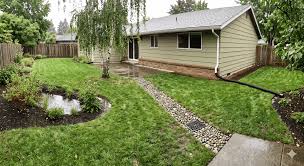
Rain protection is about more than keeping water out of a home. A well-planned drainage system moves roof runoff away from exterior walls, landscaping, walkways, and the foundation before it has a chance to create costly moisture problems. Homeowners who notice overflowing channels, washed-out mulch, or persistent puddles may benefit from speaking with gutter installation and repair contractors in Houston, TX about the condition and layout of their current system.
A rain-ready property uses connected parts that work together. Gutters collect water from the roof, downspouts carry it downward, and the yard either absorbs it safely or directs it to an appropriate drainage area. Regular inspection is the simplest way to identify weak points before the next major storm reveals them.
Why Home Drainage Matters
Even a brief downpour can send a surprising amount of water from a roof to the ground. Without controlled runoff, that water can erode soil, displace mulch, splash against siding, and saturate the soil beside a foundation. The U.S. Department of Energy explains that roof runoff should be channeled away from the building to help protect crawl spaces, basements, and interior areas from moisture concerns. See its guidance on stormwater gutters and downspouts for more detail.
Standing water also deserves attention. Water that lingers near slabs, foundation walls, patios, or low exterior doors can eventually contribute to staining, material deterioration, and indoor moisture. The goal is not simply to make water disappear quickly, but to give it a safe path that does not create a new problem elsewhere.
How Roof Runoff Works
During a storm, water should follow a predictable route:
- Rain lands on the roof surface.
- It flows toward the roof edge.
- Gutters collect and guide the flow.
- Downspouts carry water to ground level.
- Extensions, drains, splash blocks, or landscaping move it away from the house.
One failure can disrupt the entire system. A clogged gutter may overflow over the edge, a loose joint may leak beside a wall, or a blocked downspout may force water back into the gutter. A downspout that drains directly next to the foundation can create trouble even when every other component is working properly.
Signs of a Drainage Problem
Inspect the home during rainfall when possible, then walk the property again after the storm. Look for water spilling over gutter edges, dark streaks beneath the roofline, peeling paint, soft fascia boards, and downspout outlets that empty too close to the wall. Other warning signs include washed-away mulch, eroded soil, puddles that remain longer than a day, moisture in a basement or crawl space, and new cracks near windows, doors, patios, or foundation walls.
Take photos while the water is moving. Images of a gutter overflow, a water trail, or a pooling area can make it easier to identify the actual source of a problem later, especially when the yard looks normal after it dries.
Choosing the Right Gutter System
The right gutter material depends on the roof design, local rainfall, tree cover, budget, and desired appearance. Common residential choices include:
- Aluminum: Lightweight, rust-resistant, widely available, and offered in many colors.
- Steel: Strong and impact-resistant, but heavier and more dependent on an intact protective finish.
- Copper: Long-lasting and visually distinctive, though typically selected for premium appearance and higher material cost.
Sectional gutters use joined pieces, while seamless gutters are formed in longer continuous runs with fewer joints. Neither option eliminates the need for proper sizing, slope, secure hangers, and enough downspouts for the roof area.
Planning Downspout Placement
Downspouts should discharge where water can move away from the home without crossing a walkway, flooding a low spot, or flowing toward a neighboring property. Extensions can help move runoff farther out, while underground drain lines may be appropriate when surface space is limited. Buried lines should be inspected for crushed pipe, clogs, disconnections, or outlets blocked by soil and vegetation.
The EPA notes that redirecting downspouts to a lawn, garden, or rain barrel can reduce runoff, but it must be planned around local rules and site conditions to avoid property damage or unsafe conditions. Its resource on redirecting downspouts is a useful starting point for homeowners considering those options.
Yard Drainage Options
Yard drainage should match the property’s slope, soil, available space, and nearby structures. Options may include:
- Splash blocks: A simple way to spread water at a downspout outlet.
- Rain gardens: Shallow planted areas designed to temporarily hold and absorb runoff.
- French drains: Gravel-filled trenches with perforated pipe that collect subsurface water.
- Swales: Shallow channels that guide water across a landscape.
- Rain barrels: Storage containers for roof runoff that require a safe overflow plan.
- Permeable surfaces: Paving systems that allow more water to soak into the ground.
A Simple Gutter Maintenance Plan
Before the Wet Season
- Remove leaves, seed pods, roof grit, and other debris.
- Flush each downspout with a hose.
- Check hangers, joints, and end caps for movement or leaks.
- Trim branches that drop debris onto the roof.
After a Major Storm
- Look for dents, sagging sections, leaks, and pulled-away edges.
- Confirm that water reached its intended drainage area.
- Reset shifted splash blocks and extensions.
- Watch for fresh erosion or standing water.
Preparing Before Heavy Rain
Set aside an afternoon before heavy rain to inspect every outlet, clear gutter debris, open exterior drains and window wells, and move loose items from low areas. Confirm that runoff will flow away from garage doors, entry doors, and foundation walls. Secure rain barrels and make sure they have capacity or a safe overflow route. Never direct water onto public paths, toward another home, or into areas with buried utilities.
When to Call a Professional
Small cleanouts and minor adjustments can help, but recurring overflow after cleaning, detached gutter sections, water entering the basement or crawl space, damaged buried drain lines, major grading issues, and foundation cracking call for a professional assessment. Request a written scope that identifies materials, outlet locations, drainage paths, cleanup expectations, and any related repairs.
Final Thoughts
Good drainage is a complete system, not a single product. Gutters collect rain, downspouts move it, and the landscape must safely absorb or carry it away. A few seasonal checks can catch small concerns early and help keep a home better prepared for the next storm.
