
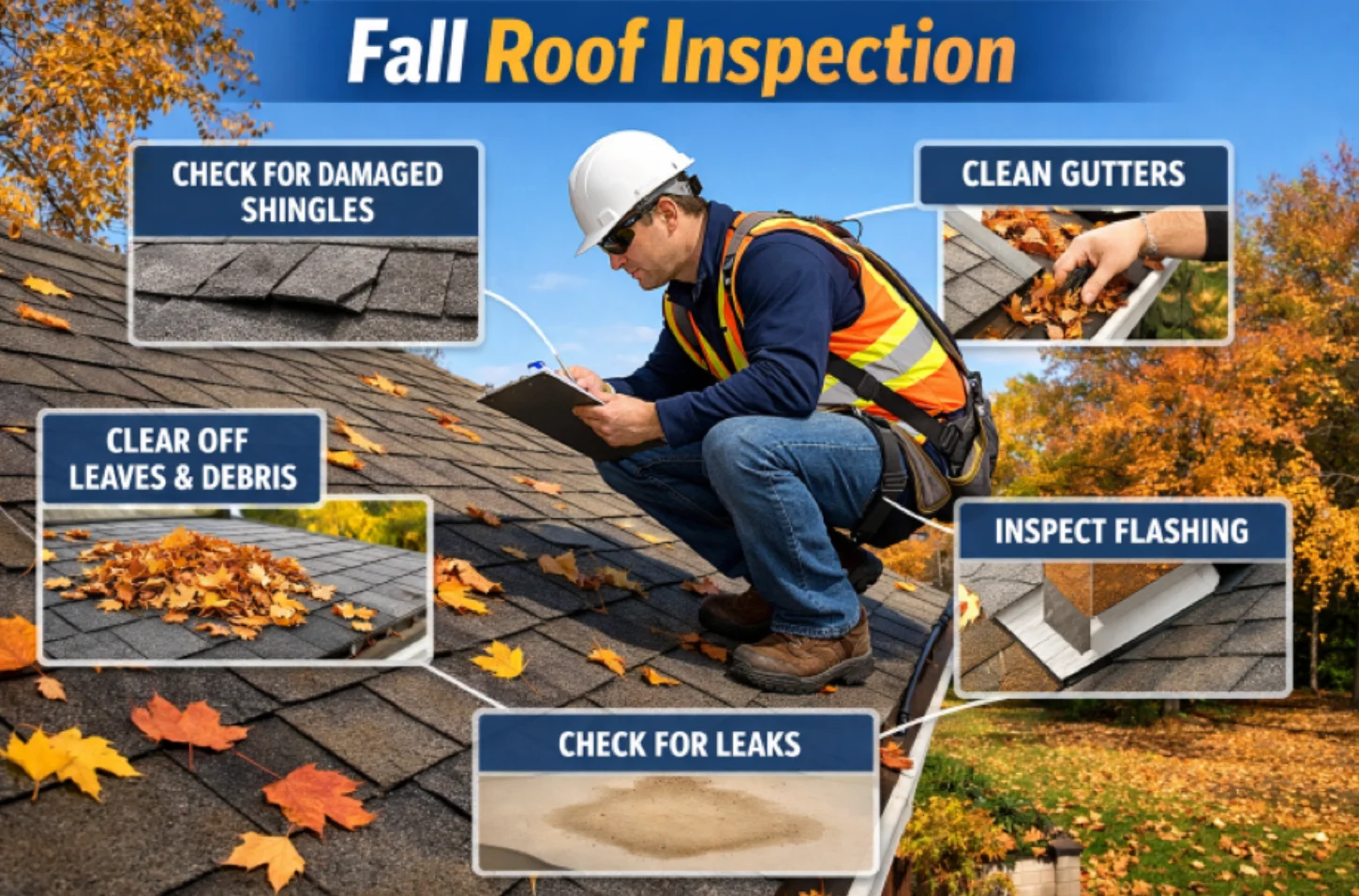
Regular roof inspections are essential to maintaining the overall condition and longevity of your home. By scheduling seasonal inspections, especially in spring and fall, you are not only safeguarding your investment but also preventing minor issues from snowballing into extensive repairs. For homeowners in Massachusetts and similar climates, arranging a roof inspection Quincy each season can make all the difference in overall roof performance.
Roofs serve as your home’s first line of defense against unpredictable weather and seasonal extremes. Timely inspections let you address potential threats before they escalate, saving money and reducing stress over time. When neglected, even a seemingly insignificant roofing problem can quickly escalate into water damage, mold growth, or structural compromise, undermining your home’s safety and comfort.
Each part of the year presents unique challenges for your roof. Winter’s freezing temperatures, snow loads, and ice dams can weaken shingles and flashing, while summer’s sun and storms can hasten deterioration. Inspections performed at the start and end of these intense weather cycles allow you to spot early warning signs and make targeted repairs.
This proactive approach is especially important as it can extend your roof’s lifespan, improve your home’s energy efficiency, and ultimately add to its market value. If left unchecked, damage from one season can pressure subsequent seasons, often making repair efforts more complex or costly.
According to the Hanover Insurance Group, regular roof evaluations are a critical part of seasonal home maintenance, helping catch issues such as weathered shingles, gutter blockages, and water infiltration before they necessitate a complete roof replacement.
Why Seasonal Inspections Are Essential
Every season brings different environmental stressors that impact your roof’s durability. Proactively scheduling inspections in both spring and fall helps you manage seasonal threats effectively, keeping your roof performing optimally year-round. Spring inspections are focused on remedying winter-induced problems, whereas fall inspections prepare the roof for the challenges of ice, snow, and heavy rain.
Spring Inspections: Recovering from Winter’s Impact
Harsh winter conditions can wreak havoc on roofing materials. The accumulation of snow and ice, combined with repeated thaw-and-freeze cycles, can cause shingles to crack, curl, or become detached. Ice dams frequently block water flow, forcing moisture underneath the shingles and posing a significant risk for interior leaks. Spring is the time to uncover and repair these vulnerabilities before spring rains trigger larger problems inside your home.
Fall Inspections: Preparing for Winter’s Challenges
Before winter arrives, a fall roof inspection is necessary to remove leaves, branches, and other debris that can impede drainage and increase the risk of ice dams. Contractors will carefully examine shingles, flashing, and gutters to ensure everything is secure, as even minor issues can escalate into emergency repairs during winter storms. Clean, functioning gutters are vital for safely directing melting snow and rainwater away from your foundation.
What to Expect During a Seasonal Roof Inspection
Professional inspectors follow a comprehensive checklist designed to assess all major roofing elements, including:
- Shingle Assessment: Inspecting for cracked, curled, or missing shingles that could lead to leaks.
- Flashing and Sealant Examination: Ensuring the flashing around chimneys, skylights, and vents is secure and observing seals for deterioration.
- Gutter and Downspout Inspection: Confirming gutters are clear to facilitate proper drainage and minimize the risk of water damage or ice dams.
- Attic Evaluation: Checking for signs of moisture, leaks, appropriate insulation, and sufficient ventilation to deter mold growth and heat loss.
Benefits of Regular Roof Inspections
- Early Problem Detection: Identifying issues before they worsen helps avoid expensive repairs and extends your roof’s useful life.
- Enhanced Energy Efficiency: Well-maintained roofs offer better insulation and ventilation, which reduces heating and cooling costs.
- Increased Property Value: A healthy, attractive roof enhances curb appeal and can raise your home’s appraised value if you choose to sell.
Common Issues Uncovered During Inspections
Inspections frequently reveal a few recurring problems:
- Shingle Damage: Cracked, curled, or missing shingles create a clear pathway for water intrusion.
- Flashing Failures: Damaged or deteriorated flashing undermines waterproofing, especially near vents and chimneys.
- Gutter Blockages: Gutters clogged with leaves or debris can cause water to back up, leading to leaks or foundation damage.
- Ventilation Problems: Inadequate attic ventilation can lead to condensation and mold, potentially damaging insulation and framing.
Professional vs. DIY Inspections
While homeowners can perform a basic check for missing shingles, visible gaps, or debris on the roof, nothing replaces the thoroughness of a professional inspection. Certified roofing contractors possess specialized knowledge and tools that allow them to spot subtle issues and recommend effective solutions, greatly reducing the risk of missing early warning signs.
Relying on expert guidance ensures that every part of your roofing system receives proper care throughout changing seasons. Professional home roofing services help identify hidden leaks, worn flashing, and minor shingle defects that are easy to overlook from the ground. Catching these structural issues early preserves your property’s stability and prevents unexpected, costly emergency repairs down the road.
Final Thoughts
Scheduling regular seasonal roof inspections is a practical and proactive strategy to protect your home from weather-related damage and unexpected expenses. By carefully preparing your roof for each season and promptly addressing maintenance needs, you can ensure long-lasting performance, improved energy efficiency, and greater peace of mind year-round.

David Weber is an experienced writer specializing in a range of topics, delivering insightful and informative content for diverse audiences.
1 thought on “Seasonal Roof Inspections: When and Why They Matter”