
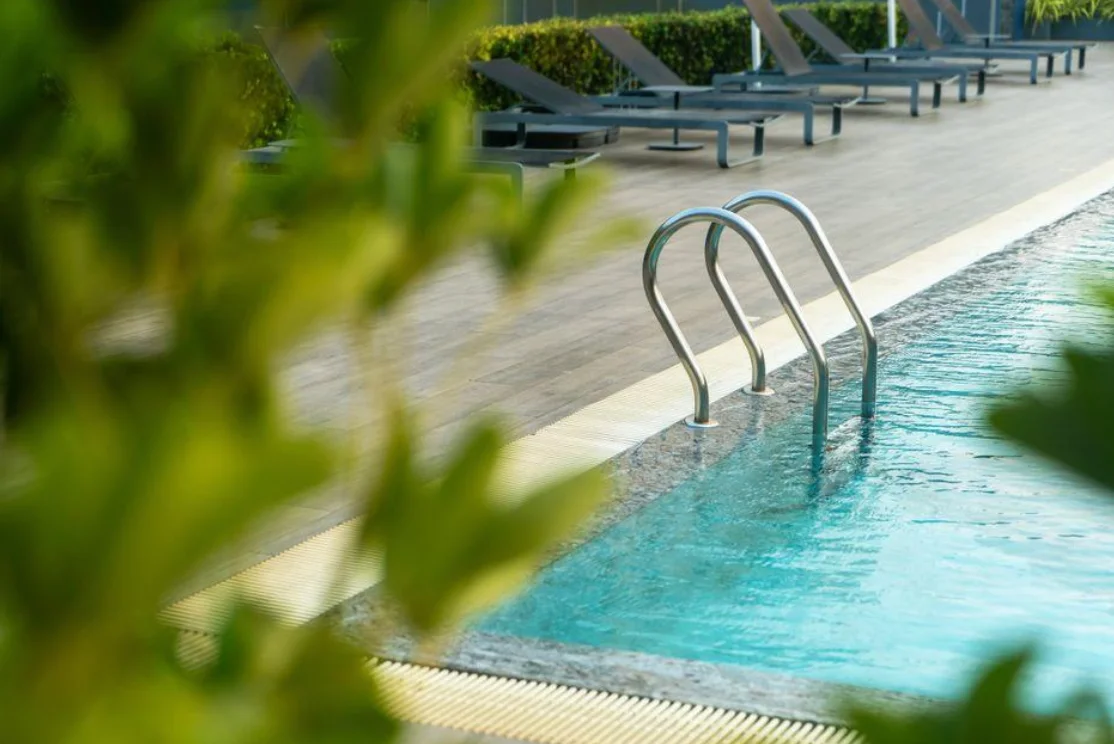
If you manage a property with a pool, you already know people notice it fast. A sparkling pool says the place is cared for. A cloudy one says, well, maybe not. You do not need to be a pool scientist to keep things in good shape, but you do need a smart plan. When you stay ahead of small problems, your pool looks better, feels safer, and causes fewer headaches for everyone who uses it.
First impressions matter
When someone walks onto your property, the pool area often acts like a giant welcome sign. If the water is clear and the deck is tidy, people relax right away. If leaves are floating around and the tiles look grimy, they start judging before they even sit down.
That is why many owners and managers rely on a professional commercial pool service to keep things clean, balanced, and ready for daily use. It is not just about looks either. A well-kept pool suggests the rest of the property is managed with the same care.
Think of the pool as the smile on your building’s face. A bright, clean smile works wonders. Guests at hotels, renters at apartment communities, and families at clubs all expect the water to look inviting. If it does, they are more likely to feel good about the whole place.
Know your pool users
Not every commercial pool lives the same life. A hotel pool gets waves of guests on weekends and holidays. An apartment pool may stay busy every afternoon once school is out. A gym pool has lap swimmers who notice details, while a community pool sees cannonballs, splashing, and lots of foot traffic.
When you understand who uses your pool, you make better decisions about care. A quiet pool may need basic upkeep and regular checks. A high-traffic pool needs more frequent cleaning, closer monitoring, and faster response when something looks off.
It helps to ask simple questions. Are kids the main users? Do residents host pool parties? Is the pool part of your property’s main selling point? These answers shape your maintenance priorities.
The goal is not to overcomplicate things. It is just to match your pool care to real life. A pool that works for your users stays more enjoyable and usually costs less to manage over time.
Build a simple routine
A good pool routine does not have to be fancy. It just has to happen consistently. That is the secret sauce. When checks are skipped, little problems get a chance to grow legs and run around your budget.
Start with the basics each week. Look at the water clarity. Skim out leaves and debris. Check that the deck stays clean and free of slippery buildup. Notice whether ladders, railings, and chairs seem steady and in place.
Once a month, go a bit deeper. Walk the whole area and look for cracked tiles, rough surfaces, worn grout, or signs of leaks. Keep simple notes, even if they are just in your phone. That way, you can spot patterns instead of being surprised later.
Routine care is a little like brushing your teeth. It is not exciting, but it saves you from bigger pain later. A pool that gets regular attention usually stays cleaner, safer, and easier to manage.
Watch safety basics
Safety does not need to sound scary or complicated. Most of the important stuff is simple and visual. You are looking for hazards before they turn into accidents.
Start with the deck area. If it is slick, cluttered, or uneven, people can slip fast. Make sure signs are easy to read and still in the right places. Check that gates and latches work properly, especially in shared or family-heavy spaces.
Pay attention to drains, covers, ladders, and handrails too. If something looks loose, cracked, or damaged, it should not wait. A tiny wobble today can become tomorrow’s problem story in the office.
Good lighting matters more than people think. Evening swimmers and staff need to clearly see steps, edges, and walkways. If your pool area feels dim, treat that as a real issue.
You do not need superhero vision. You just need the habit of looking closely and acting quickly when something seems off.
Plan for busy seasons
Pools do not stay equally busy all year. Warm weather, school breaks, and holiday weekends can turn a calm pool into a splashy circus in no time. That extra use means more debris, more wear, and more chances for small issues to pop up.
Before the busy season starts, walk through the space like a first-time visitor. Does everything look clean, sturdy, and ready? Are lounge areas neat? Are entrances easy to manage? Is there any repair you have been putting off because it seemed minor? This is the time to handle it.
You should also expect more frequent cleaning and closer monitoring during high-traffic periods. More swimmers usually means water conditions can change faster. Even if you are not handling the technical side yourself, you still want eyes on the pool area more often.
A little prep goes a long way. It is much easier to stay ahead in May than to scramble in July when everyone wants pool time right now.
Fix small issues early
Pool problems rarely send a formal invitation before they get expensive. A faint stain, a chipped tile, or a tiny crack may not look urgent at first. Still, those little signs often mean something is starting to wear down.
If you catch a problem early, repairs are usually simpler, faster, and cheaper. Ignore it, and you may end up dealing with damage that spreads to the deck, coping, plumbing areas, or surrounding surfaces. That is when a small issue turns into a budget belly flop.
Make it normal for staff or property managers to report changes right away. Maybe the water level seems off. Maybe a step feels rough. Maybe a patch of tile keeps looking worse. Those observations matter.
You do not need to panic over every mark or scuff. You just need to be curious and proactive. Pools reward attention. The sooner you respond, the better chance you have of keeping repairs manageable and your pool looking guest-ready.
Choose help wisely
If you bring in outside help, choose a company that understands commercial properties, not just backyard pools. Commercial spaces have more users, more expectations, and less room for inconsistency.
Look for steady communication first. You want a team that shows up on schedule, explains issues clearly, and does not leave you guessing. Reliability beats fancy promises every time. If something needs attention, they should tell you plainly and offer practical next steps.
Experience matters too. A company that works with hotels, apartments, schools, or fitness centers will usually understand the pace and pressure of shared pool spaces. They know that downtime affects guests, tenants, and your reputation.
It also helps to ask how they handle recurring visits, visible upkeep, and small repairs before they become larger ones. The best support feels like a partnership, not a mystery.
When you choose well, you spend less time chasing problems and more time enjoying a pool area that simply works.

David Weber is an experienced writer specializing in a range of topics, delivering insightful and informative content for diverse audiences.