
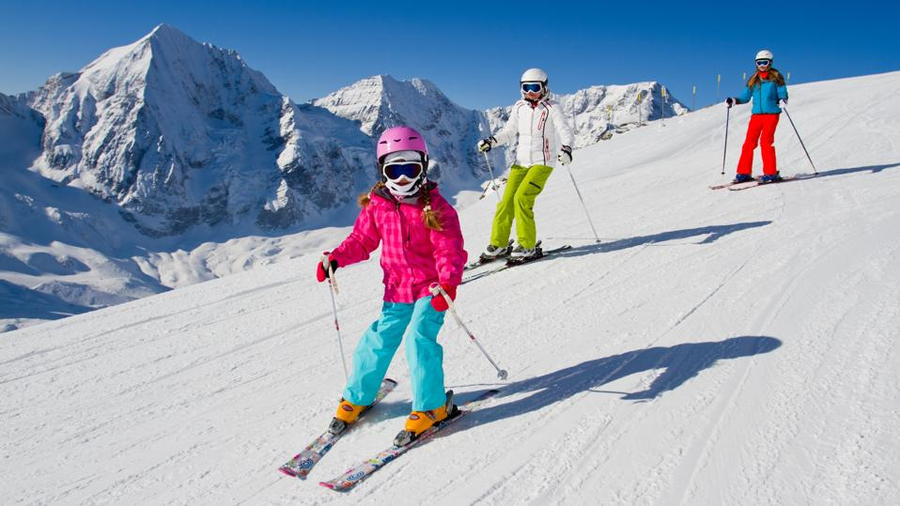
Skiing doesn’t have to drain your wallet. The cheapest ski resorts in USA prove you can enjoy quality powder and terrain without premium prices. But finding these hidden gems requires knowing where to look.
We’ve compiled the 10 most affordable ski resorts across the country where budget ski resorts meet great value. You’ll find midweek lift tickets as low as $40 and weekend passes starting at just $50. From Powder Mountain’s expansive terrain to Bridger Bowl’s consistent affordability, these cheap ski resorts deliver outstanding value in your 2026 ski season.
Powder Mountain, Utah
Overview and Location
Powder Mountain operates as North America’s largest ski area with 8,484 skiable acres. The resort sits east of Eden in Utah’s Wasatch Range, 55 miles northeast of Salt Lake City International Airport. The drive combines the Ogden River Scenic Byway with Powder Mountain Road and makes the experience part of the trip.
The resort started operations in 1972 and stretches between Weber and Cache counties. The base sits at 6,900 feet elevation. The mountain rises to 8,900 feet at its lift-served summit and delivers 2,205 feet of vertical drop. Those willing to hike can reach the peak at 9,422 feet.
This resort stands apart from typical ski destinations through its steadfast dedication to limiting daily lift ticket sales. Only 1,500 tickets are available each day. This maintains one skier per two acres of terrain even during peak periods.
Lift Ticket Pricing
All-day tickets start at $75 when purchased in advance. The resort uses dynamic pricing. Earlier purchases secure better rates than day-of window sales. Tickets provide access from 9:00am to 9:00pm.
Night skiing runs from 4:00pm to 9:00pm on the Sundown and Sun Tunnel lifts. Consecutive multi-day tickets are available but cannot be changed once selected. Children ages 4 and under ski free, though reservations are still required due to the daily ticket limit.
Military discounts apply to active service members. The resort plans to reinstate its Military Pass for the 2026-27 season and expand eligibility to include veterans. Youth season passes will start at $249 for next season.
Blackout dates include Passholder Weekends: February 7, 8, 14, 15, 21, 28, and March 1, 2026.
Terrain and Features
The mountain divides into distinct zones across its massive footprint. Traditional lift-served terrain covers 2,800 acres with groomed trails and powder runs. The remaining 5,000+ acres opens through various access methods including snowcat tours and guided backcountry options.
Trail breakdown distributes as 25% beginner, 40% intermediate, and 35% advanced across 162 runs. Nine lifts service the terrain: six chairs and three surface lifts. Two terrain parks provide freestyle options.
Annual snowfall averages 500 inches, with the resort receiving 360 inches per year according to some measurements. The snow quality earns top ratings in SKI Magazine reader surveys.
Wide-open trails like Amy’s 3-Mile and Burntwood offer gentle progression zones for beginners. The Hidden Lake area provides groomed runs perfect for learning. Advanced skiers gravitate toward Paradise lift terrain.
A major expansion will transform the resort for the 2026-27 season. The $40 million investment adds the DMI (Don’t Mention It) lift and opens over 1,000 acres of advanced terrain with 2,200 feet of vertical. This Skytrac fixed-grip triple will be among the steepest lifts the manufacturer has constructed. The expansion increases total lift-served terrain to 6,000 acres.
Best For
This resort suits powder enthusiasts seeking uncrowded conditions and beginners wanting space to learn without feeling overwhelmed. The terrain variety accommodates all skill levels, though the upcoming DMI expansion benefits expert skiers in particular. Those prioritizing authentic skiing experiences over resort amenities will appreciate the relaxed atmosphere.
Bridger Bowl, Montana
Overview and Location
Bridger Bowl operates as a locally owned non-profit ski area serving the Bozeman, Montana community. The resort sits 16 miles north of Bozeman in the Bridger Range, about 30 minutes from Bozeman Yellowstone International Airport. Highway 86 provides access, with the turnoff near the 16-mile marker.
The mountain reaches 8,700 feet at its summit with a vertical drop of 2,600 feet on east-facing slopes. Named after mountain man Jim Bridger, the resort spreads across 2,000 acres of skiable terrain serviced by 11 lifts. All revenue gets reinvested into mountain improvements and affordable access. This community-driven model keeps prices among the most reasonable in the country.
Lift Ticket Pricing
Adult lift tickets range from $67 to $92 for full-day access, with window rates topping out at $97 and online purchases maxing at $82. Seniors ages 70-79 pay $45, while children 7-12 are charged $35-48. Children 6 and under ski free to $5. Full-day tickets run 9:00am to 4:00pm, with half-day access starting at 12:30pm.
All guests require a reloadable Bridger Bowl Card using RFID technology. The first card comes free for the 2025/26 season, with a $5 replacement fee. Online purchases save about $15 per ticket compared to the ticket window. Advance planning proves worthwhile for budget-conscious skiers.
Terrain and Features
The resort features 75 named trails plus many more unmarked runs, distributed as 25% beginner, 35% intermediate, 30% advanced, and 10% extreme terrain. Average annual snowfall measures 350 inches. The mountain relies on natural snow for 95% of its skiable terrain.
The signature feature remains The Ridge, expert-only terrain available via a 400-foot vertical hike from the top lift. This area has six sections: Schlasman’s, D Route, C Route, B Route, A Route, and Northwest/Hidden Gully. An avalanche beacon, shovel, and probe are required to access The Ridge.
Sunnyside Lift and Virginia City Lift provide access to all green trails for beginners. Intermediate skiers enjoy terrain around Alpine Lift and Powder Park Lift. On top of that, free mountain tours led by Mountain Hosts depart daily at 10am from the bottom of Sunnyside chairlift.
A Master Development Plan released in February 2025 proposes six new lifts and 70 additional acres to accommodate growing visitation, which reached 377,663 skiers in the 2022-23 season.
Best For
Bridger Bowl suits freeriders seeking challenging terrain and families wanting affordable access to quality skiing. The lower mountain provides a beginner’s paradise, while The Ridge delivers some of the steepest terrain on the continent. The non-profit structure and community focus make this among the most affordable ski resorts without sacrificing snow quality or terrain variety.
Mad River Glen, Vermont
Overview and Location
Mad River Glen stands as America’s only skier-owned major mountain. The cooperative model has been in place since 1995. Fayston, Vermont within the Mad River Valley is home to this ski area. General Stark Mountain hosts 115 acres of terrain. The co-op reached its capacity of 2,500 shareholders in October 2025, with shares costing $2,000.
The mountain maintains one of skiing’s most distinctive identities. Snowboarding is prohibited. Natural snowfall provides almost all the snow, averaging 250 inches each year. The famous Single Chair, built in 1948, remains one of only two single chairlifts operating in America. This lift carries skiers 2,037 feet vertically and creates what many call the most authentic East Coast ski experience you can find.
Lift Ticket Pricing
Adult full-day tickets cost $125. Juniors (ages 6-18) and seniors (65+) pay $100. Shareholders receive a 15% discount that brings adult tickets to $105 and junior/senior tickets to $85. Half-day access from 12:30pm to close runs $90 for adults and $72 for discounted categories.
Late afternoon tickets (2pm to close) on midweek, non-holiday days drop to just $39 for all ages. Better rates come from online purchases than window prices. Shareholders can buy tickets even when the resort reaches its daily capacity limit. Holiday periods include Christmas Week (December 25, 2025 – January 1, 2026), MLK Weekend and Presidents’ Week.
Terrain and Features
Five lifts service 53 trails across terrain that ranks as the most challenging in New England. The Single Chair accesses the steepest runs. Paradise is one of America’s toughest trails. Fall Line and Lift Line deliver steep, technical challenges for expert skiers.
Quacky off the Sunnyside Chair centers the intermediate terrain and mixes rolling sections with moguls. Porcupine and Bunny provide wide-open cruising options. The Birdland area has its own double chair and contains the mountain’s easiest terrain with trails named after birds. Grooming happens nightly in Birdland. Natural conditions prevail on the rest of the mountain.
Best For
This resort suits expert skiers seeking authentic challenges and families comfortable with natural snow conditions. The terrain difficulty runs about half a notch harder than comparable trails at other New England resorts. Blue runs here equal blacks elsewhere. Beginners can learn at Birdland, though the mountain’s character favors experienced skiers who appreciate skiing’s traditional roots over modern resort amenities.
Lookout Pass, Idaho/Montana
Overview and Location
Lookout Pass straddles the Idaho-Montana border at Exit 0 on Interstate 90 and stands as one of only four US ski areas that occupy two states. This 91-year-old resort opened in 1935 and operates roughly halfway between Spokane, Washington and Missoula, Montana. Both cities sit approximately 90 minutes away. The resort parking lot sits just 200 yards from the interstate exit. Access remains straightforward even during winter storms.
The pass itself reaches 4,710 feet elevation. The summit of Eagle Peak climbs to 6,150 feet. This creates a vertical drop of 1,650 feet across terrain that benefits from over 450 inches of annual snowfall. The state border runs along the mountain ridge and places northern Idaho on Pacific Time while Montana stays on Mountain Time.
Lookout opened 500 new acres on Eagle Peak in November 2023. The expansion added 14 trails serviced by a second quad chairlift and brought total skiable terrain to 1,023 acres distributed across 59 trails.
Lift Ticket Pricing
Day tickets range from $53 to $79 for adults when purchased in advance. Window rates can reach $75-79 on peak days. Advance reservations save $4 to $7 per ticket. Online purchases prove worthwhile for budget-conscious skiers.
The Golden Pass deal provides exceptional value: present any valid season pass from any ski area worldwide on non-holiday Mondays through Thursdays and receive a 50% discount. Adult tickets drop to just $31.50. Also, Thursday’s 2-for-$75 special allows two people to ski for $37.50 each.
Season passes cost $419 for adults and rank among the cheapest in the Spokane-Coeur d’Alene region. Children 6 and under ski free when an adult purchases a ticket.
Terrain and Features
Five lifts service the mountain: two quad chairs, two triple chairs and one double chair. The terrain breaks down as 14% beginner, 42% intermediate, 42% advanced and 2% expert. Trail count reaches 59 named runs plus extensive tree skiing through powder glades.
The resort operates a free ski school for children ages 7-17 on seven specific Saturdays throughout winter. This adds considerable value for families.
Best For
Lookout Pass suits families who seek affordable skiing with consistent snowfall and powder enthusiasts who appreciate region-leading accumulation totals without crowds. The lift fleet consists of slower fixed-grip chairs. Yet lift lines rarely exceed a couple minutes. This makes Lookout an ideal choice for those who prioritize snow quality and value over high-speed infrastructure.
Ski Cooper, Colorado
Overview and Location
Ski Cooper sits atop Tennessee Pass, 10 miles north of Leadville, Colorado on U.S. 24. It ranks among the cheapest ski resorts in the US for families. This non-profit ski area occupies the heart of the Rocky Mountains and offers views of Mt. Massive and Mt. Elbert, Colorado’s highest peaks. The base elevation reaches 10,500 feet and rises to an 11,700-foot summit with 1,200 feet of vertical drop.
Five lifts service 64 runs across 480 acres. Terrain breaks down as 18% beginner, 26% intermediate, 32% advanced, and 24% expert. The longest run is 1.4 miles. Cooper receives 100% natural snowfall and averages 260 inches per season, unlike mega-resorts that rely on snowmaking. The high altitude will give light, dry snow conditions throughout winter.
Lift Ticket Pricing
Ski Cooper eliminated the pricing gap between advance and walk-up purchases and offers similar rates for both. Adults ages 22-68 pay $49 on non-holiday Mondays through Fridays, $99 on Saturdays and Sundays, and $99 during holiday periods. Ages 15-21 are charged $40 on weekdays and $69 on weekends and holidays. Children ages 6-14 receive flat $35 pricing year-round.
Holiday and Spring Break dates include December 20, 2025 through January 4, 2026, January 16-18, 2026, February 13-15, 2026, and March 7-22, 2026. This transparent pricing structure places Cooper among the most affordable ski resorts without dynamic rate fluctuations. Parking remains free.
Terrain and Features
Cooper’s grooming philosophy rotates terrain rather than over-grooming trails into hardpack. This approach maintains softer snow surfaces and provides groomed variety daily. The EZ Street magic carpet ranks as one of Colorado’s longest conveyor lifts and offers extensive beginner terrain.
Advanced skiers access glades, bumps, and powder runs. Intermediate terrain features cruisers across the mountain. Chicago Ridge snowcat skiing opens 2,600 acres beyond lift-served terrain for those seeking additional challenges.
Four dining options include Katie O’Rourke’s Irish Pub, Base Camp Cafe, Timberline Taproom, and Ridgeview Cafe. The resort offers ski and snowboard instruction for ages three and up.
Best For
Ski Cooper suits families seeking cheap ski resorts with no crowds. Young skiers can build confidence on wide-open terrain. The affordable pricing makes multi-day trips feasible for budget-conscious visitors, while the natural snow and high elevation deliver quality conditions that rival expensive Colorado destinations.
Sunlight Mountain Resort, Colorado
Overview and Location
Sunlight Mountain Resort sits just 10 miles south of Glenwood Springs and delivers authentic Colorado skiing without the crowds that plague I-70 mega resorts. Downtown is a fifteen-minute drive away, and you’ll find yourself on 749 acres of terrain spanning 77 runs with 2,010 feet of vertical drop.
Denver sits about 160 miles away via I-70 to Glenwood Springs, then south on Highway 82 and Four Mile Road. The resort operates within White River National Forest on Compass Mountain and offers views of Mount Sopris and the Elk Mountain Range from the summit.
Lift Ticket Pricing
Daily lift tickets start at $74 and position Sunlight among the most affordable ski resorts in Colorado. Window purchases cost $65 for full-day adult access, though buying online in advance secures better rates and lets you skip the ticket window when you arrive.
Children ages 6-12 pay $45, and seniors 65-79 are charged $45. Ages 5 and under ski free. Guests 80 and older also ski free. Half-day tickets run from $40-55 depending on age category. The season runs from December 13 through April 5.
Families find exceptional value here compared to nearby Aspen resorts. The Ski Swim Stay package bundles lodging, Glenwood Hot Springs Pool access and lift tickets, with children 12 and under skiing free.
Terrain and Features
Three chairlifts service the mountain, including two new installations that boost capacity without raising prices. The terrain breaks down as 20% beginner, 55% intermediate, 20% advanced and 5% expert across 67 named trails.
Annual snowfall averages 250 inches. The resort features some of the state’s finest tree skiing through aspen groves, with runs remaining untracked days after snowfall. The Heathen delivers one of the steepest pitches in the state at 52 degrees. Ute winds more than 2.5 miles from summit to base and ranks among the state’s longest runs.
On top of that, Babbish Gulch provides 29 kilometers of free cross-country and snowshoeing trails. All trails meet at the base lodge and simplify family meetups. Free parking eliminates another expense common at pricey ski resorts.
Best For
Sunlight suits families seeking cheap ski resorts with ample intermediate terrain. Beginners want uncrowded learning environments, and they’ll find them here. The high percentage of blue runs provides progression opportunities, while expert terrain like The Heathen challenges advanced skiers without requiring separate lift access fees.
Brian Head Resort, Utah
Overview and Location
Brian Head has Utah’s highest base elevation at 9,600 feet and ranks among the most affordable ski resorts with exceptional snow reliability. The resort anchors Southern Utah’s mountain recreation. It sits just three hours from Las Vegas and 3.5-4 hours south of Salt Lake City. This position places you within an hour of Zion National Park, Bryce Canyon National Park, and Cedar Breaks National Monument. You get red rock scenery among other alpine attractions.
Two connected mountains, Giant Steps and Navajo, spread across 650 acres. Dual base areas provide distinct terrain access. The summit reaches 10,920 feet and creates views of snowcapped hoodoos and Utah’s famous red rock formations.
Lift Ticket Pricing
Adult lift tickets range from $29 to $81 depending on advance purchase timing. Prices drop as low as $14 when bought early for select dates. This dynamic pricing makes Brian Head one of the cheapest ski resorts in the US. Children 12 and under ski free year-round[263]. This eliminates a major expense for families.
Spring months (March through May) bring added value. All lift tickets include $10 resort credit, $100 adult lessons, and $25 rentals. Booking two nights at Brian Head Lodge using promo code “freedomtoski” also provides two free lift tickets.
Terrain and Features
Eight lifts service 71 runs[263]. The distribution is 30% beginner, 35% intermediate, and 35% advanced. Annual snowfall exceeds 360 inches[263]. Night skiing operates Friday and Saturday from 4pm to 9pm[263] with extended availability during peak periods.
The Training Grounds Terrain Parks feature 20+ elements. Two tube parks accommodate families[273]. Lesson class sizes stay small at 6-8 students for skiers and 5-6 for snowboarders. This provides tailored instruction.
Best For
Brian Head suits families seeking the least expensive ski resorts without sacrificing terrain variety or snow quality. The free kids policy and Southern Utah location near National Parks create exceptional vacation value for budget-conscious skiers.
Magic Mountain, Vermont
Overview and Location
Magic Mountain was founded in 1960 and occupies Glebe Mountain in Londonderry, Vermont. The resort delivers 1,500 feet of vertical drop. You can find it at 495 Magic Mountain Access in Londonderry’s Windham County[301]. Magic opens Thursday through Sunday plus holiday weeks and limits daily ticket sales to just 1,500 slots. This guarantees uncrowded slopes even during peak periods.
Lift Ticket Pricing
Adult tickets cost $105 online and $119 at the window. Youth ages 6-17 and seniors 70+ pay $95 online or $109 in person. The Thursday “Everyone is a Local Day” special drops prices to $75 online and $85 at the window on non-holiday weeks. Sunset tickets from 2pm to 4pm run just $39 online and rank among the cheapest afternoon skiing in the US. Half-day tickets start at $75 online for 12:30pm to 4pm skiing.
An RFID card costs $5 on first purchase but reloads for future visits. This eliminates ticket window waits. Walk-up purchases add a $14 service fee to online prices, making advance booking worthwhile for budget resort seekers.
Terrain and Features
Five lifts service 53 slopes across 205 skiable acres. The mountain receives 145 inches of annual snowfall. Magic’s reputation centers on challenging terrain, with trails rated about half a notch harder than comparable Vermont resorts. The iconic Red Chair, painted bright red, provides intimate rides perfect for discussing runs.
Tree skiing defines Magic’s character. The resort has Southern Vermont’s most extensive glade network. Steeps reach 45 degrees on Master Magician, while runs like Twilight Zone and Goniff Glade deliver powder days after storms hit.
Best For
Magic suits expert skiers seeking authentic challenges and families wanting affordable resorts without crowds. The terrain difficulty and natural snow conditions favor experienced skiers, though beginners can progress on designated green terrain.
Snowy Range Ski Area, Wyoming
Overview and Location
On the Snow recognizes Snowy Range Ski Area as the most affordable in the Western U.S.. The resort nestles within Medicine Bow National Forest in southeast Wyoming. It sits just five miles from Centennial and 32 miles from Laramie[351], home of the University of Wyoming. This proximity then makes Snowy Range the closest ski area to Laramie.
The base elevation starts at 8,798 feet and climbs to a 9,663-foot summit[351]. An 865-foot vertical drop spreads across 250 acres of skiable terrain[351]. The resort receives 250 inches of annual snowfall[351] and provides consistent conditions throughout the December 12, 2025 through April 12, 2026 season.
Lift Ticket Pricing
Weekend lift tickets cost just $64.00 online and rank among the cheapest ski resorts in the US. All tickets require a $2.00 media fee due to the upgraded RFID system. This Radio Frequency Identification technology uses microchip-embedded cards that automatically read at lift gates. The first card is included, with reloading available online atsnowyrangeski.com/reload.
Terrain and Features
Five lifts service the mountain: four chairlifts and one magic carpet. Trail counts vary between 27 and 33 slopes that mix beginner greens, intermediate blues and expert blacks. The longest run extends 1.8 miles. On top of that, two terrain parks provide freestyle options.
Best For
This budget ski resort suits families who seek affordable access without sacrificing snow quality or terrain variety. The family-friendly atmosphere[353] and uncrowded runs make Snowy Range ideal for beginners who want to build skills and experienced skiers who seek value-focused powder days.
Mohawk Mountain, Connecticut
Overview and Location
Walter Schoenknecht created Mohawk Mountain in Cornwall, Connecticut in 1947. This makes it the oldest and largest ski area in the state. The resort operates within the Litchfield Hills on the northwest slope of Mohawk Mountain. The drive from Manhattan covers about 95 miles, and Fairfield County sits 1.5 hours away.
The Schoenknecht family still owns and operates the resort. Walt’s daughter Carol Lugar serves as co-owner and President. Mohawk claims to be the birthplace of snowmaking, where the first documented artificial snow was created.
Lift Ticket Pricing
Adult 8-hour passes cost $45 midweek and $81 on weekends and holidays. Junior and senior tickets (ages 12 and under, 65+) run $45 midweek and $71 on weekends. Night passes from 4pm to close cost a flat $40. Active military personnel receive discounts at $25-30.
Terrain and Features
The summit reaches 1,600 feet with a 650-foot vertical drop. Twenty-seven trails spread across 112 skiable acres. Eight lifts service the mountain, including five triple chairs and three magic carpets. Night skiing lights up 16 trails. Snowmaking covers 100% of terrain.
Best For
Mohawk suits families seeking the cheapest ski resorts in USA within driving distance of major Northeast cities. Beginners wanting night skiing options at affordable ski resorts will find it ideal.
Conclusion
Finding quality skiing without premium prices is possible throughout the US. These ten resorts prove you don’t need to sacrifice terrain variety or snow quality for affordability. Powder Mountain’s massive acreage and Mohawk Mountain’s East Coast accessibility show that each destination delivers distinct value for your 2026 ski season.
It is also worth remembering that a budget-friendly trip can still become expensive if an injury happens because a property hazard was ignored. According to ConsumerShield, premises liability can extend to unsafe conditions such as icy surfaces, hidden obstacles, inadequate maintenance, or other dangers a property owner knew about or reasonably should have discovered and addressed.
I recommend reviewing the comparison table above. Match your priorities with the right resort. You might be seeking family-friendly beginner terrain or expert challenges. Perhaps you want uncrowded powder days. These budget ski resorts provide great alternatives to expensive mega-resorts. Start planning now and secure advance-purchase discounts to maximize your savings.

At Engrnewswire, we are passionate about helping brands grow through smart SEO, GEO, and AEO strategies, supported by High-quality backlinks. With over 2k+ contributor accounts worldwide. We ensure your content reaches the right audience while building lasting authority.