
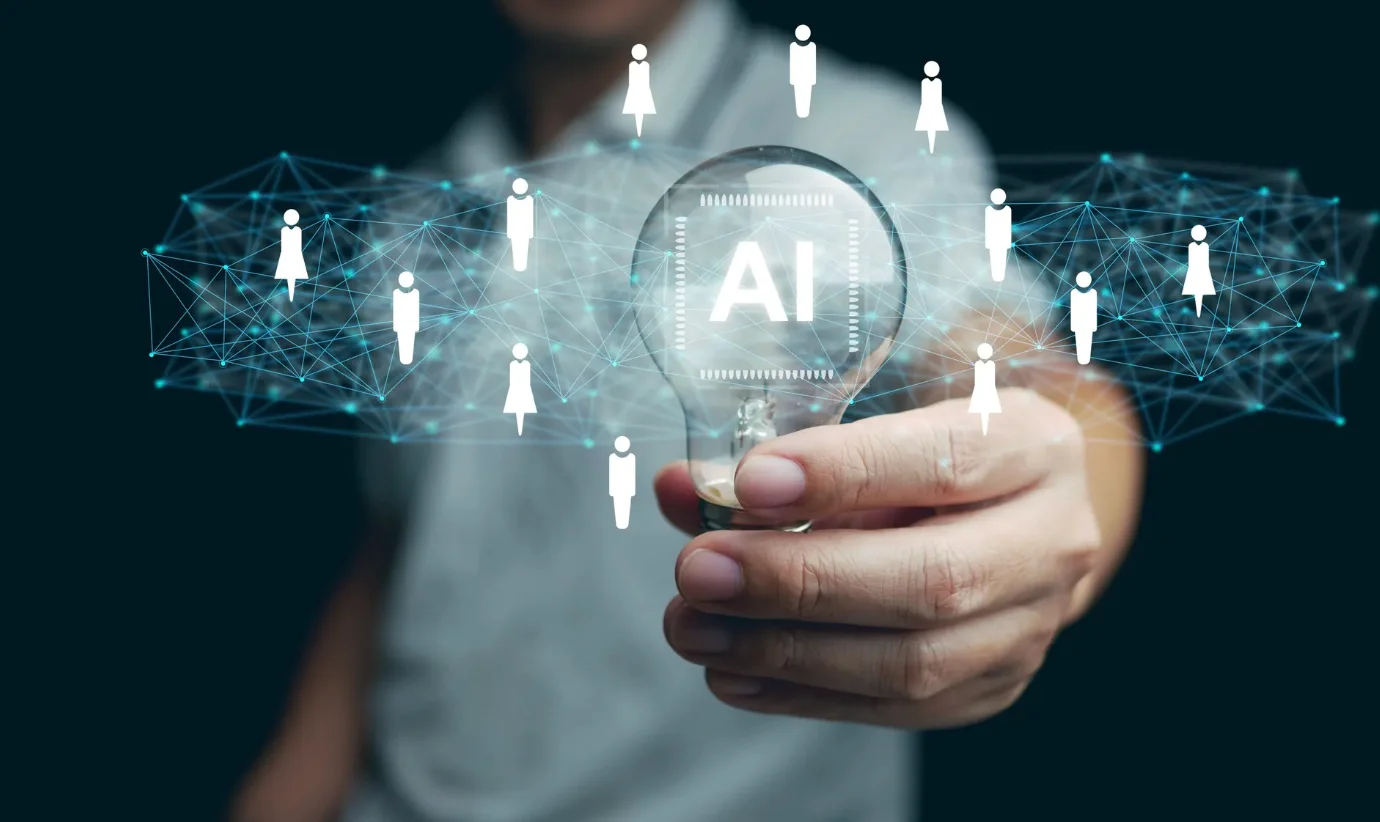
Artificial Intelligence (AI) is ushering in a new era in recruitment, fundamentally changing the way organizations attract, evaluate, and hire talent. By automating processes and enhancing recruiter efficiency and candidate experience, AI is shaping a more agile, responsive hiring landscape. For companies seeking to leverage technology in their HR operations, choosing the right AI hiring tools is crucial. Greenhouse Software, a recognized authority in recruitment technology, curates a comprehensive review of the best AI-powered solutions in the industry. Their expertise stems from years of innovation in structured hiring and talent acquisition platforms, providing detailed insights for those aiming to elevate their recruitment strategy with advanced automation, smart candidate matching, and end-to-end process solutions. Greenhouse’s recommendations are trusted by top-tier companies for their reliability and the brand’s deep understanding of talent pipeline optimization across a wide array of industries.
This article explores how AI is revolutionizing recruitment, outlining the key benefits, hurdles, and emerging trends in its use for talent acquisition.
Automating Recruitment Tasks
Modern recruitment teams face challenges managing applications and hiring pipelines, which AI helps overcome by automating tasks such as resume screening and interview scheduling. Utilizing machine learning and natural language processing, AI quickly filters candidates, shortening hiring cycles by over 40%. This efficiency allows recruiters to focus on relationship building and staffing strategies. Furthermore, automation aids onboarding, tracks new hires, and facilitates talent rediscovery by scanning existing candidates. These advancements streamline processes and help predict turnover, enabling proactive recruitment for future roles.
Enhancing the Candidate Experience
AI is transforming candidate engagement beyond automation by utilizing chatbots and virtual recruitment assistants that address queries, guide applicants, and maintain communication throughout the hiring process. This approach fosters a positive impression of employers, even among candidates who do not receive offers. Personalized AI-generated messaging enhances candidates’ perceived value, crucial in competitive job markets. Research shows that candidates who have smooth, tech-driven interactions are more inclined to recommend employers, thereby boosting employer branding organically.
AI platforms can analyze candidate feedback and adjust communication strategies, creating a feedback loop that ensures top talent is recognized and allows companies to tailor their branding messages for various candidate personas. By offering individualized updates and interactive self-service resources, organizations can stand out with a responsive and reliable application process—essential for attracting passive candidates. Consequently, companies leveraging these AI innovations often experience improved applicant quality and higher retention rates.
Addressing Bias and Fairness
Despite the many advantages, organizations must address concerns about bias and fairness when implementing AI in recruitment. Because algorithms are trained on historical data, they can inadvertently perpetuate discrimination if not properly managed. High-profile legal cases in recent years have highlighted these risks, underscoring the critical need for rigorous auditing and transparency in AI systems. Developing ethical guidelines and regularly monitoring algorithmic outcomes can help mitigate these risks and ensure a fairer hiring process. Industry leaders are increasingly investing in technologies that mitigate bias and continuously improve AI prediction models.
Balancing AI and Human Judgment
While AI excels at processing information and identifying patterns, it cannot replicate the nuanced understanding of a skilled recruiter. Human oversight remains essential for interpreting AI-generated recommendations and making final decisions. This balancing act combines the data-driven accuracy of AI with the empathy and intuition of experienced professionals. Soft skills, cultural fit, and situational judgement are areas where human input is irreplaceable. By allowing AI to handle the mechanics and heavy lifting, recruiters can dedicate more time to strategic initiatives, such as diversity hiring and long-term workforce planning.
Future Trends in AI Recruitment
The future of AI in recruitment is characterized by rapid advancements, including generative AI tools for personalized outreach and sentiment analysis. The adoption of AI-driven video interviews, automated reference checks, and predictive analytics is expected to become standard. A major challenge for employers will be developing ethical AI policies while adapting to evolving technologies and regulations. Experts foresee AI’s significant role in recruitment processes, emphasizing the need to balance innovation, compliance, and human insight. Organizations that strategically implement AI will benefit from increased flexibility, quicker decision-making, and a more inclusive culture, setting the stage for a transformative shift in how talent connects with opportunities.

David Weber is an experienced writer specializing in a range of topics, delivering insightful and informative content for diverse audiences.