
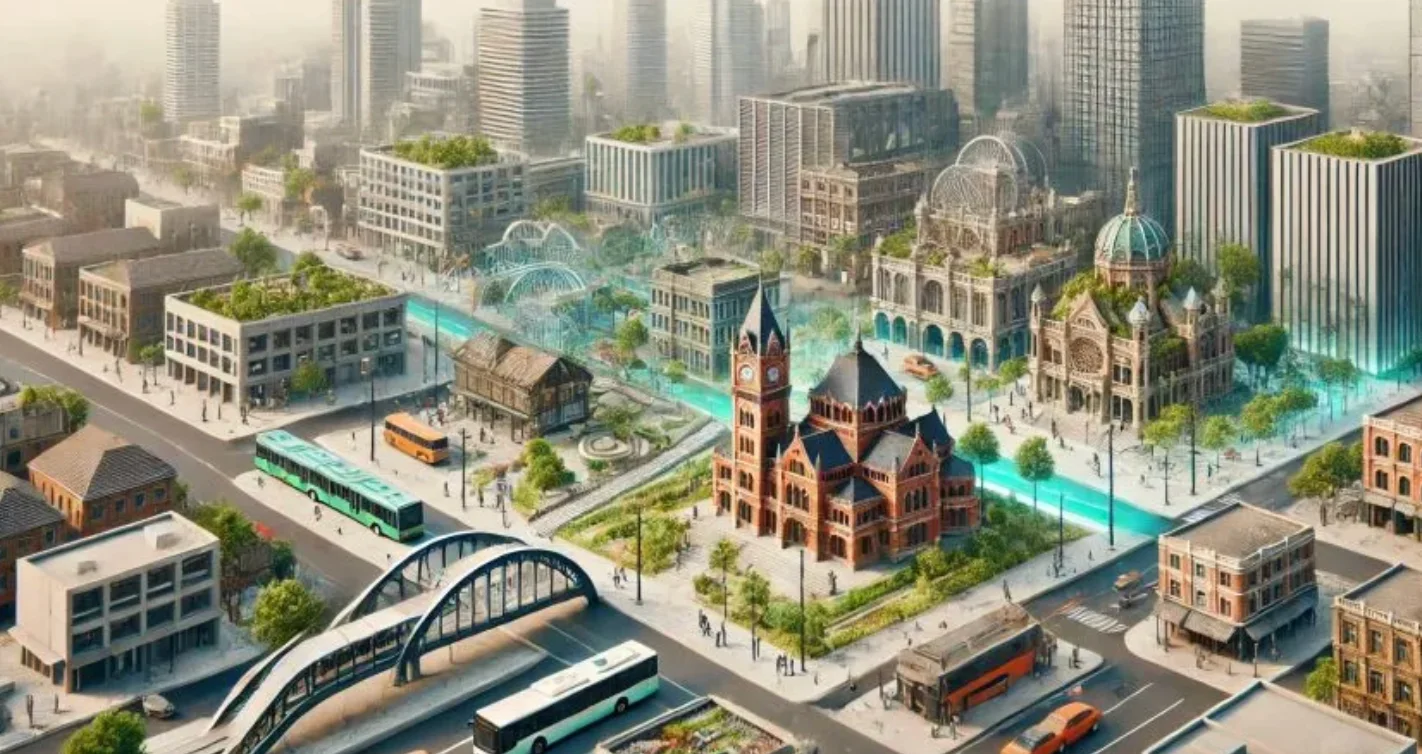
As city life evolves, urban home renovations are taking on new forms better suited to serve the needs of modern families and individuals. From integrating advanced technologies to embracing sustainability, the latest trends are setting the stage for vibrant and livable city environments. For residents of Denver and the surrounding metro area, Urban Renovators is at the forefront, bringing expert remodeling, basement, and home renovation services to local neighborhoods. Whether you are planning a major transformation or a subtle update, understanding these emerging trends can help you make the most of your urban home. Renovation projects now go beyond aesthetics. Homeowners are seeking solutions that add value, improve efficiency, and foster greater well-being in their living spaces. Innovations in smart technology, green building practices, and adaptive design are just a few of the new standards shaping the future of urban housing.
Sustainable Renovations
Eco-friendly remodeling is becoming a mainstay in urban renovations. Homeowners are using sustainable materials, such as reclaimed wood and recycled glass, to deliver both style and a positive environmental impact. Technologies like solar panels, radiant floor heating, and ultra-efficient insulation are slashing energy use, reducing costs, and appealing to eco-conscious buyers. Incorporating green roofs or native landscaping helps combat the urban heat island effect while promoting local biodiversity. As sustainability continues to dominate renovation choices, homeowners are exploring water-saving fixtures, such as low-flow toilets and efficient irrigation systems. Advances in window glazing and triple-pane windows improve both insulation and soundproofing, essentials for busy urban areas. Additionally, integrating rainwater collection systems not only conserves valuable resources but also reduces long-term utility bills.
Smart Home Integration
Advanced technology is revolutionizing the way city dwellers interact with their homes. Modern renovations often include integrated systems for lighting, heating, cooling, and security, all accessible via smartphone or voice commands. Devices like smart thermostats, automated blinds, and high-efficiency lighting allow homeowners to tailor settings for comfort and convenience while minimizing energy waste. Video doorbells, app-controlled security alarms, and digital locks are becoming standard for urban dwellers prioritizing safety and remote access. Seamless connectivity is also a hallmark of contemporary smart homes. Upgraded Wi-Fi networks and mesh systems support multiple devices without lag, making remote work and online education more accessible. Future-ready homeowners are considering infrastructure upgrades, such as dedicated charging stations for electric vehicles and solar battery banks, to prepare their homes for evolving technologies.
Adaptive Reuse of Spaces
As demand for urban housing grows, adaptive reuse, the conversion of older, underutilized buildings into residences or mixed-use spaces, is an expanding trend. This approach not only preserves the unique character of city architecture but also helps meet housing needs without new construction. Former warehouses, offices, and factories are transformed into vibrant apartments and lofts, breathing new life into once-neglected spaces. Adaptive reuse preserves local heritage and supports sustainable development by reducing the need for new building materials. Creative adaptive reuse extends indoors, too. Urban homeowners are making the most of every square foot by converting attics into studios, cellars into wine rooms, or adding cozy reading nooks beneath staircases. Maximizing existing footprints can minimize costs while increasing both function and charm.
Multigenerational Living
As more families choose to live under one roof, homes are being renovated to create private, adaptable spaces for multiple generations. Features like walkout basements, accessory dwelling units (ADUs), and in-law suites allow separate living arrangements within a shared property. Flexible spaces with modular furniture, multi-purpose rooms, and soundproofing create practical environments that foster independence and closeness among family members. Design considerations such as wider doorways, barrier-free showers, and accessible kitchens also allow aging family members to remain safe and comfortable at home. Customizable lighting and temperature controls further personalize spaces for each resident’s needs, making multigenerational homes more harmonious and futureproof.
Health and Wellness Focus
Renovators are increasingly focused on promoting healthier living environments. Maximizing natural light through larger windows, using low-VOC paints, and installing advanced air filtration systems contribute to improved indoor air quality and well-being. Thoughtful renovation also includes biophilic design elements, such as indoor gardens and plant walls, that bring the calming influence of nature indoors. Access to private outdoor spaces, such as balconies, courtyards, or rooftop gardens, provides city dwellers with essential opportunities for relaxation and exercise. Sound-absorbing wall coverings and flooring options are gaining popularity in bustling urban settings to reduce stress from noise pollution. Meditation rooms, in-home fitness studios, and spaces dedicated to hobbies or remote work are also in demand, allowing for holistic wellness practices without ever leaving home.
Community-Centric Design
Modern urban renovations often aim to foster social connections. Building layouts increasingly incorporate communal amenities, such as shared gardens, open courtyards, and multi-use recreation spaces. Rooftop lounges and co-working areas respond to the needs of today’s remote workers and encourage interaction among neighbors. By prioritizing spaces for gathering and engagement, these designs nurture strong, supportive urban communities. In addition to physical spaces, many developments now offer community programming, such as gardening clubs, fitness classes, or shared tool libraries, promoting a vibrant sense of belonging. Balancing privacy and togetherness through thoughtful design ensures these innovations contribute positively to city life.
Modular Construction Methods
Time and space are at a premium in many cities. Prefabricated or modular construction methods offer significant benefits by reducing building times and minimizing disruption to residents. Components are manufactured off-site and assembled quickly on location, leading to faster completions and often lower costs. Modular techniques are particularly effective for basement conversions, additions, and multi-family housing projects, allowing for customized solutions without lengthy on-site construction. The modular trend is also fostering innovation in design flexibility, making it easier to update or expand homes in the future. Homeowners can more readily accommodate changing needs, such as home offices or guest suites, by adding or reconfiguring modular components with minimal structural impact.
Conclusion
The field of urban renovation is evolving rapidly, driven by growing demand for sustainability, efficiency, and livability. Homeowners in Denver and other major cities are embracing trends that blend technology and design to create modern, sustainable environments. From smart home features and adaptive reuse to wellness-focused upgrades and community-driven spaces, these innovations are defining the future of urban living. By staying informed about these trends, city residents can make upgrades that not only increase the value of their property but also enhance their day-to-day home experience. Whether you are inspired by green design, captivated by technological advancements, or seeking to strengthen neighborhood ties, exploring these renovation trends is the first step to transforming your urban home. Leading remodelers like Urban Renovators can help guide your vision, ensuring the result is both beautiful and functional for years to come.

David Weber is an experienced writer specializing in a range of topics, delivering insightful and informative content for diverse audiences.