
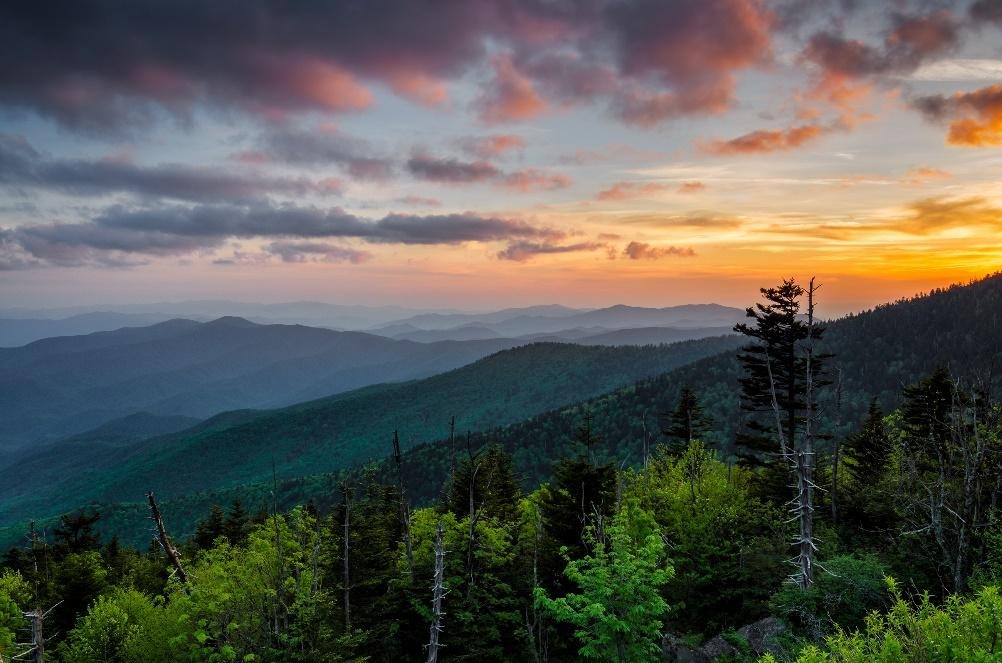
A weekend does not need to stretch into a week to leave a real impression. Two or three days, planned with intention, can deliver the kind of reset that most people assume only a long vacation can offer. The Smoky Mountains in Tennessee prove this better than most places.
The trails, the open roads through quiet valleys, the peaks where seasons change ahead of everywhere else, all of it is right there waiting, and none of it requires more than a weekend to make it worthwhile. The only thing standing between a forgettable trip and a great one is how well you plan it.
Where You Go Matters as Much as What You Do
Most people pick a destination and then figure out the rest. That approach works, but it leaves a lot on the table. A better way is to think about the kind of experience you want first, and then match a place to it. Do you want to slow down and be in nature? Do you want to explore and stay on your feet? Do you want a mix of both? Once you know that, choosing where to go becomes a lot easier.
If you’re in Tennessee and looking for memorable things to do in Smoky Mountains, the options run the full range, from peaceful valley drives to landmark waterfalls to mountain peaks that draw families and seasoned hikers alike. Cades Cove runs as an 11-mile paved loop road through a wide-open valley surrounded by mountains, with plenty of spots to pull over, stretch your legs, and walk through historic buildings that have been preserved from an earlier era.
Laurel Falls rewards the short hike to get there with an 80-foot waterfall split into an upper and lower section, and it is widely regarded as a must-see spot in the area. For something that sits above it all, Kuwohi is the highest point in Tennessee, the first place in the region where snow settles, and fall colors begin to turn, and an approachable enough terrain for families to explore together.
Plan the Big Moments First, Then Fill in Around Them
One of the most common mistakes in short trip planning is trying to do too much. You end up rushing from one place to the next, and nothing gets the attention it deserves. Instead, pick two or three experiences that you genuinely cannot leave without having, and build the rest of the trip around them.
Think of these as your anchor moments. Everything else, where you eat, how long you linger somewhere, whether you take a detour, flows from these anchors. When you travel this way, even the unplanned parts feel intentional. You are not cramming a vacation into 48 hours. You are giving a handful of things the full attention they deserve.
Make Room for the Drive
On a short trip, the drive is not just a means to an end. It is part of the experience. A scenic road through a valley, a stretch of highway with mountains on either side, a small town you pass through, and decide to stop in because it looked interesting from the window. These moments tend to be the ones people remember most, and they cost nothing except a little willingness to slow down.
When you treat the journey as part of the plan rather than the price you pay to get somewhere, the whole trip opens up. You stop watching the clock and start noticing things. That shift in mindset is often what separates a forgettable weekend from one you are still talking about months later.
Keep Your Mornings Free
One of the single best habits you can develop on a short trip is resisting the urge to schedule your mornings too tightly. Early hours in a new place have a quality to them that disappears once the day gets busy. A slow cup of coffee on a porch, a quiet walk before anyone else is up, watching the light change over a mountain ridge. These things cost nothing and are often the most refreshing parts of the entire trip.
Give yourself permission to start slow, and you will find that the rest of the day tends to unfold more naturally. Some of the best decisions on a trip happen when you are not rushing anywhere. A morning with no fixed plan has a way of turning into the part of the trip you talk about most.
Eat Where the Locals Eat
Food is one of the fastest ways to connect with a place, and on a short trip, every meal is an opportunity. Skip the familiar and look for spots that reflect where you actually are. A family-run diner, a roadside place that has been there for decades, a bakery that opens early and smells like it means it. These places tend to offer something you cannot replicate anywhere else, and they add a layer of texture to the trip that a chain restaurant never could.
Asking locals where they eat is almost always worth it. The recommendations are usually honest, specific, and lead to the kind of meal that becomes a highlight of the trip rather than just fuel between activities.
Pack Light and Stay Flexible
Heavy packing leads to heavy planning. When you bring too much, you feel obligated to make use of everything you brought, and that pressure works directly against the spontaneity that makes short trips so enjoyable. Travel light, leave some room in the schedule, and stay open to changing course if something more interesting presents itself.
The best weekend trips are usually the ones where you have a loose plan and let the place do the rest. You show up with good intentions and good energy, and the destination takes care of the experience from there. That is the real formula. Not a packed itinerary, not a checklist of tourist stops, but a genuine willingness to be present wherever you are and make the most of the time you have.
