
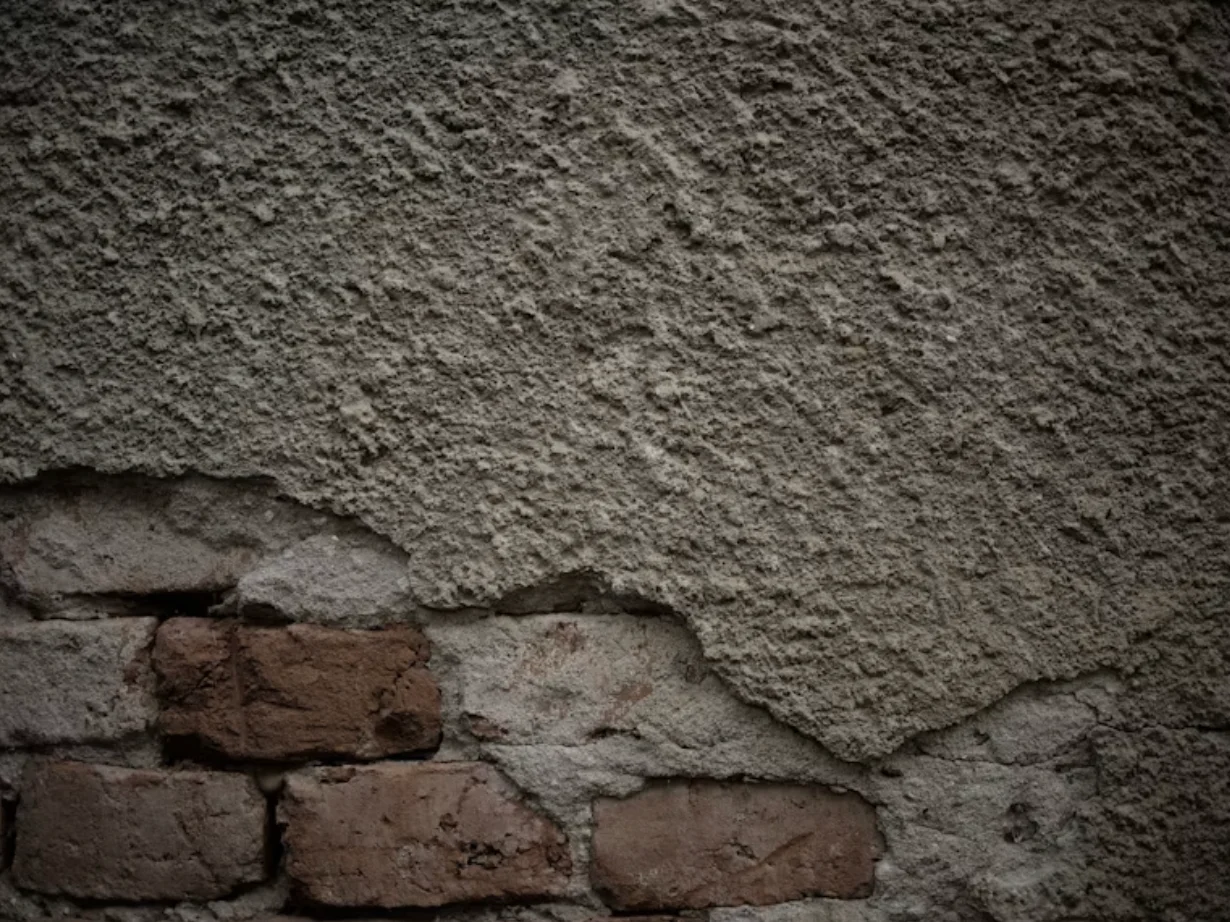
Thinking about tackling some big wall repairs at home?
Sounds simple enough when you write it down like that. But anyone who’s lived in a UK property for even a couple of winters will tell you – wall problems snowball quickly. One tiny crack now can become a whole re-render job in 6 months time.
That’s not anecdotal. Fresh statistics reveal that 5% of homes across England experienced a damp issue in 2023, the highest percentage in five years.
That’s a lot of crumbling plaster, peeling paint, and worried homeowners.
The good news?
You can fix most common wall problems with the correct process, materials and manpower. Here are some tips to consider beforehand.
Inside this guide:
- Why Wall Repairs Get Out Of Hand So Quickly
- Picking The Right Render For Your Walls
- The Mistakes That Cost Homeowners Thousands
- How To Hire The Right Tradesperson
- Maintaining Your Walls After The Job Is Done
Why Wall Repairs Get Out Of Hand So Quickly
Walls fail slowly. Then suddenly.
Hairline crack allows a little moisture ingress. During winter months the water freezes causing the crack to widen. Gradually more water penetrates. Eventually the plaster behind becomes soft and the brickwork damp.
Older properties fare even worse. Properties built before 1919 have the highest levels of damp at 10.3%, rising to 1% for properties built after 1981.
Why? Because old walls weren’t constructed with modern day damp proofing methods. They use lime & breathable materials that have likely been plastered/painted with inappropriate materials for decades.
The first big lesson: Don’t ignore small wall issues. They get expensive, fast.
Picking The Right Render For Your Walls
Render is the protective skin that forms the outside of your home. Choose incorrectly and the problems will reappear.
There are a few options on the table:
- Cement render: Cheap but cracks easily
- Lime render: Breathable, great for older properties
- Acrylic render: Flexible and colourful, but not super breathable
- Silicone render: The premium option for modern homes
Reasons why silicone render is super popular at the moment: It self cleans itself, its water resistant and can last up to 25 years with little to no maintenance. Its pre-coloured so you don’t have to paint it.
But here is the catch…
Silicone render isn’t a home improvement DIY project. The mix needs to be correct, the substrate needs preparing and the weather needs to cooperate when you’re applying it. Most people’s homes would benefit from contacting a local plastering specialist prior to making a decision on what silicone render system is best. They can check wall conditions and see if there is any damp issues before recommending a product.
A good specialist will also advise homeowners when silicone render isn’t suitable – such as on a solid stone Victorian cottage that requires breathable lime.
The Mistakes That Cost Homeowners Thousands
Here is where most major wall repairs go wrong.
Individuals pay attention to the cosmetic finish and neglect the root cause of the issue. They plaster over damp brickwork, fill cracks without finding the cause or don’t do the survey at all. What happens? The identical issue resurfaces in 12 months – except now it’s even worse.
The most expensive mistakes include:
- Rendering over damp walls (the damp just gets trapped)
- Skipping a damp survey before starting work
- Hiring cheap labour without checking references
- Using the wrong render for the wall type
- Ignoring the gutters, roof and pointing first
That last one is a big deal.
Up to 27% of homes in the UK suffer from damp or mould problems. Damp repairs can range from as little as £300 if it’s a minor problem, but can exceed £5,000 once major structural damage occurs.
The lesson is simple – fix the cause, not just the symptom.
How To Hire The Right Tradesperson
This is where many wall repair projects live or die.
Everyone can claim to be a renderer. Few have the skills to do large or difficult jobs. How can consumers weed out the dab hands from the posers?
Look out for these signs of a good tradesperson:
- They give written quotes (not just verbal promises)
- They explain why they recommend certain materials
- They are happy to share photos of past jobs
- They offer guarantees on workmanship
- They are registered with a trade body
Obtain at least three bids before you sign on the dotted line. Also, watch out for the low-ball offer. Usually that bargain turns into future repair bills.
Also – verify insurance. A reputable tradesperson will be covered by public liability insurance should they damage something on your property. If they aren’t, walk away. Period.
Inquire about warranties as well. Good workmanship with silicone render should come with at least a 10 year warranty. Less than that is suspect.
Maintaining Your Walls After The Job Is Done
Big wall repairs are not a “set it and forget it” job.
The best render will require some maintenance to ensure it continues to look great and performs well. Maintenance requirements are minimal, but more important than most realise.
Simple things to do every year:
- Clean gutters and downpipes
- Check for hairline cracks
- Wash the render with a soft brush
- Look for staining or algae growth
- Inspect window seals and frames
Fixing a little problem now prevents big repairs later. The NHS currently spends around £1.4 billion annually on treating cold or damp related illnesses – much of which begins with leaking walls.
Take 10 minutes walking around your house each season. You could save yourself thousands of pounds and tonnes of stress in the future.
Bringing It All Together
Large wall repairs aren’t just cosmetic. They keep your structure intact, your energy efficiency working, and your home value preserved.
Before starting any big job, every homeowner should:
- Get a proper damp survey
- Understand which render type suits their walls
- Hire a qualified tradesperson with insurance
- Budget for the cause, not just the symptom
- Plan for ongoing maintenance after the work is done
Silicone render is an excellent choice for many properties across the UK – but only when applied to suitable walls and by skilled professionals. Saving money on either is the quickest route to ending up with far worse problems than you started with.
Plan well. Ask questions. Choose carefully. Select the correct specialist. The walls are only built once in your home.

David Weber is an experienced writer specializing in a range of topics, delivering insightful and informative content for diverse audiences.