
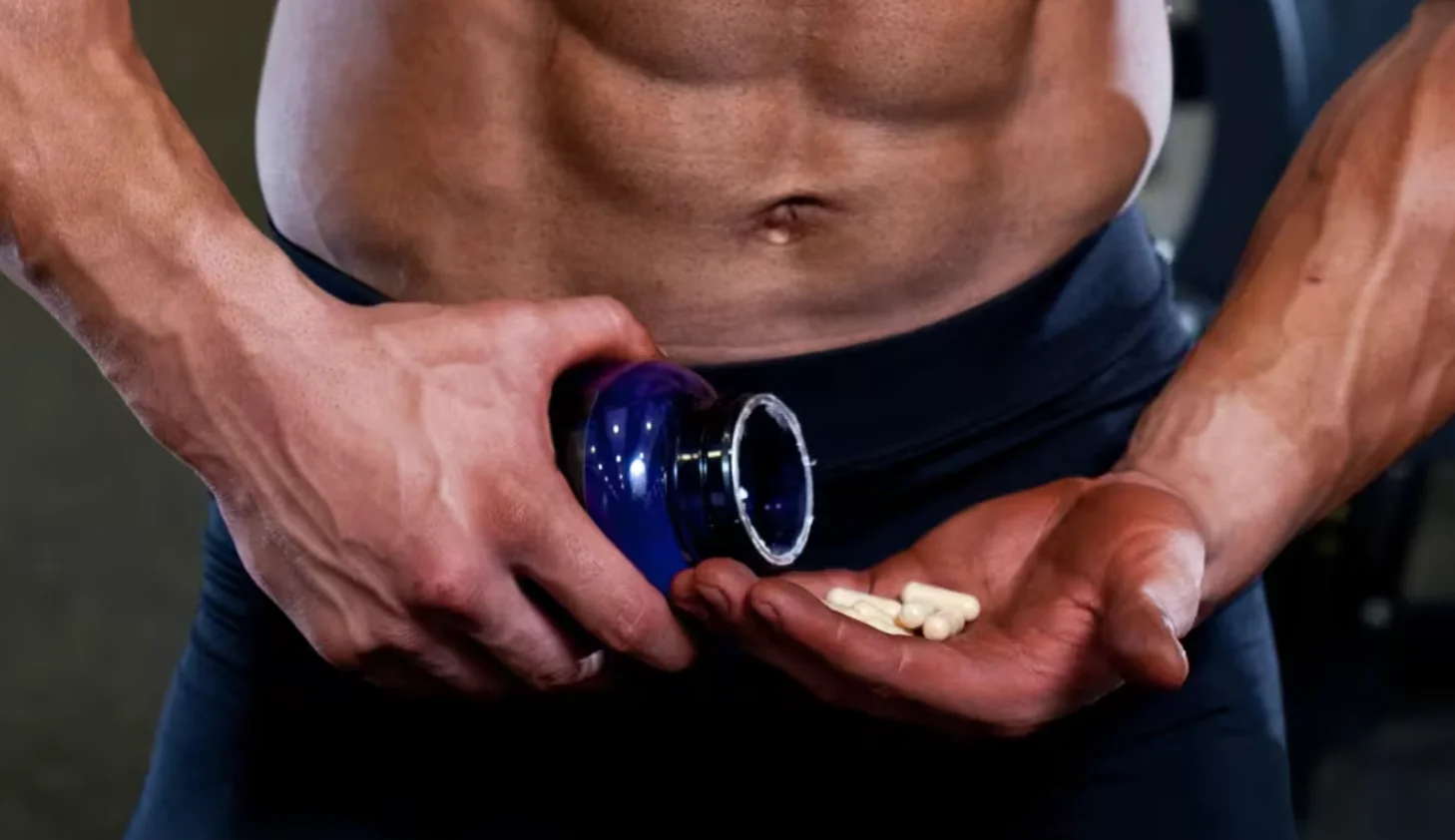
RAD 140 is one of the most potent SARMs available, and interest in it has grown steadily among those seeking serious muscle growth and body composition improvements. But because it is sold in an unregulated market, the quality and authenticity of what is being sold varies enormously between suppliers. An underdosed product produces no meaningful results. A contaminated product carries genuine health risks. A mislabelled product may contain an entirely different compound. This guide covers every check worth completing before you commit to a purchase.
What is RAD 140 and Why Does Quality Matter?
RAD 140, also known as Testolone, was developed by Radius Health as a potential treatment for muscle wasting conditions and hormone receptor-positive breast cancer. It is considered one of the most anabolically potent SARMs available and produces rapid lean muscle gains and significant strength improvements even at relatively low doses. Despite this, it remains an experimental research compound with no approved human use anywhere in the world. The unregulated nature of the market means that the gap between what a product claims to contain and what it actually contains can be significant, which makes pre-purchase due diligence essential.
The Essential Checks Before Buying RAD 140
Verify Independent Third-Party Testing
The most critical check before buying any RAD 140 product is whether it has been independently tested by an accredited third-party laboratory. In-house testing by the manufacturer carries a conflict of interest and provides no reliable quality assurance. Independent testing confirms three things: compound identity (is this product actually RAD 140?), purity percentage (is the concentration accurate?), and contaminant screening (are there heavy metals, residual solvents, or microbial matter present?). If a supplier cannot name the laboratory they use for testing, that alone is sufficient reason to look elsewhere.
Check the Certificate of Analysis
The Certificate of Analysis (COA) is the primary document that proves product quality and should be accessible directly on the product page without needing to request it. It must be current and batch-specific, not a generic or historical document. A valid COA clearly shows compound identity confirmation, the purity result as a percentage, and contaminant screening outcomes. Match your specific batch number to the COA published on the supplier’s website before purchasing. A missing, outdated, or vague COA that cannot be tied to a specific batch is an immediate disqualifier.
Confirm Purity is 98 Percent or Above
Research-grade RAD 140 should achieve a minimum purity of 98 percent as confirmed by independent laboratory analysis. Products below this threshold indicate compromised sourcing or manufacturing standards. Impurities can cause side effects beyond those associated with pure RAD 140 and reduce the actual dose of active compound you receive. Always verify the purity figure directly on the COA rather than relying on marketing claims. Some suppliers assert high purity without any documentation to support it, which is not acceptable.
Check Dosage and Labelling Accuracy
The product label should clearly state the compound name, the dose per capsule or per millilitre, and the total quantity. Standard RAD 140 doses range from 10mg to 20mg per day, and the label should make accurate dosing straightforward. Any discrepancy between the stated dose on the label and the result shown on the COA is a serious red flag that should disqualify the product immediately. Vague labelling or proprietary blends that obscure individual compound doses are not acceptable for a research compound where accurate dosing matters.
Research the Supplier’s Reputation
Look for suppliers with a verifiable business identity, accessible contact information, and a professional web presence. Independent community reviews from fitness forums and review platforms provide more reliable insight than testimonials published on the supplier’s own website. Established suppliers with a track record are inherently lower risk than new or anonymous operations. Responsive and knowledgeable customer service is a reliable indicator of overall operational standards.
Check Storage and Shipping Practices
RAD 140 in capsule form is stable at room temperature when stored away from heat and direct light. Liquid RAD 140 requires refrigeration to maintain compound stability. Suppliers should communicate storage requirements clearly on their product pages. Poor storage or shipping practices can degrade the compound before it reaches you, which is a quality concern even when the product itself is genuine. It is worth asking any supplier about their packaging practices for liquid products, particularly during warmer months.
Red Flags to Watch for When Buying RAD 140
No COA or Outdated COA
The absence of a current, batch-specific COA is the most common and serious red flag in the SARM market. Outdated COAs do not reflect the quality of current stock and provide no meaningful assurance about what you are receiving. Suppliers who claim testing has been done but cannot produce documentation should be avoided entirely.
Prices Significantly Below Market Rate
Quality RAD 140 requires proper sourcing, manufacturing, independent testing, and appropriate storage. Prices significantly below market rate almost always indicate a compromise somewhere in that chain. Underdosed or contaminated RAD 140 is never worth the apparent saving, and the real cost of a poor-quality product always exceeds its price.
Anonymous or Unverifiable Supplier
Suppliers with no physical address, no ABN, and no verifiable registration carry no meaningful accountability when their products fail. Operating exclusively through social media with no professional website is not a substitute for a legitimate business identity. Anonymous operations in this market are a risk factor that buyers should not overlook.
Exaggerated or Medical Claims
No SARM can be legally marketed as a treatment for any condition in Australia. Suppliers making specific health or performance guarantees are not operating responsibly. Trustworthy suppliers present RAD 140 as a research compound and respect the regulatory language around unapproved therapeutic use. Bold guarantees about muscle gain or fat loss outcomes are a warning sign worth taking seriously.
How to Verify a COA Before Buying RAD 140
The most reliable method is to contact the testing laboratory directly using the contact details listed on the COA. Provide the batch number and ask them to confirm the result. Legitimate accredited laboratories will verify their own reports without hesitation. If the laboratory cannot be identified or contacted, the COA should not be trusted. In Australia, cross-referencing the laboratory name against the NATA accreditation database is a practical and straightforward verification step.
What to Know About RAD 140 Before You Buy
RAD 140 Suppresses Testosterone
Unlike MK 677 or peptides, RAD 140 suppresses natural testosterone production. Post-cycle therapy (PCT) is required after every RAD 140 cycle. Having Nolvadex or Clomid on hand before starting is essential, not an afterthought. Blood work before and after a cycle is the only reliable way to monitor suppression and confirm recovery. Anyone who understands the full picture of what it means to buy rad 140 knows that PCT readiness is a non-negotiable part of responsible use.
RAD 140 is Not for Beginners
RAD 140 is one of the more potent and suppressive SARMs available and is not the most appropriate starting point for someone new to this class of compound. Beginners should complete at least one cycle of MK-2866 first to understand how their body responds to a milder SARM before stepping up to RAD 140. This approach significantly reduces the risk of unexpected side effects and makes it easier to attribute any changes to a specific compound.
Cycle Length and Dosing Matter
A standard first-time dose of RAD 140 is 10mg per day for 6 to 8 weeks. Longer cycles or higher doses increase both suppression and the risk of side effects. Resist the urge to increase the dose mid-cycle based on early results. Running RAD 140 as a standalone compound on the first cycle rather than stacking it with other compounds is strongly recommended for anyone who has not used it before.
Is RAD 140 Legal to Buy in Australia?
RAD 140 is classified as a Schedule 4 Prescription Only Medicine under the Therapeutic Goods Administration (TGA) in Australia. It is illegal to possess without a valid prescription from a registered medical practitioner. There is no approved therapeutic use for RAD 140 in Australia, and importing it without a permit from the Office of Drug Control (ODC) is also illegal. Purchasing from unregulated overseas sources carries risks including customs seizure at the Australian border, product contamination, and potential legal consequences.
Frequently Asked Questions
How do I know the RAD 140 I received is genuine?
Check the COA for your specific batch and contact the testing laboratory directly to verify the result. If no COA is available or the laboratory cannot be contacted, there is no reliable way to confirm what the product contains.
Is liquid or capsule RAD 140 better?
Both deliver the same active compound. Capsules offer more consistent and convenient dosing with no measuring required. Liquid may absorb slightly faster but requires precise measurement to achieve an accurate dose. For most users, particularly beginners, capsules are the more practical choice.
What purity level should RAD 140 have?
Research-grade RAD 140 should achieve 98 percent purity or above as confirmed by independent third-party laboratory analysis. Anything below this threshold is a serious concern about the product’s quality and source.
Do I need PCT if I buy RAD 140?
Yes. RAD 140 suppresses natural testosterone production and PCT is required after every cycle. Nolvadex at 20mg per day for 4 weeks is the most common beginner PCT protocol following a RAD 140 cycle.
Parting Words
Before buying RAD 140, complete a clear pre-purchase checklist: verify independent third-party testing, confirm a current batch-specific COA, check purity is 98 percent or above, cross-reference label claims with COA results, research the supplier’s reputation, and confirm appropriate storage and shipping practices. Have PCT on hand before starting and run blood work before and after every cycle. For anyone in Australia, understanding the legal status of RAD 140 is an essential step that should come before any purchasing decision.

David Weber is an experienced writer specializing in a range of topics, delivering insightful and informative content for diverse audiences.