
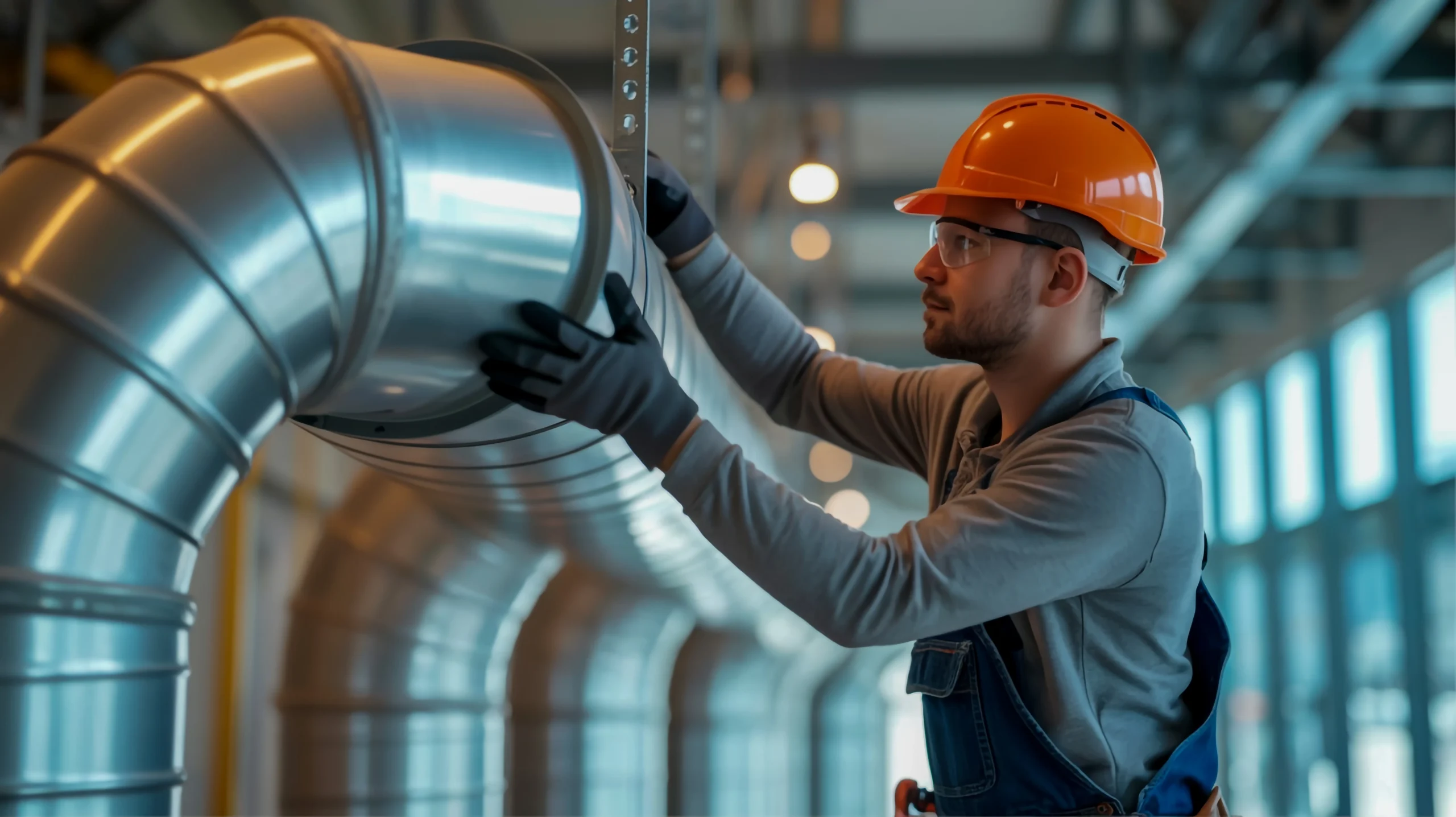
Maintaining a comfortable indoor environment relies heavily on the performance of your heating, ventilation, and air conditioning system. Over time, even the most durable units begin to lose their effectiveness, which can impact both comfort and energy costs. One of the first indicators that it may be time for an upgrade is inconsistent temperature control throughout your home or office. Rooms may feel too warm or too cold despite adjusting the thermostat, suggesting that the system is struggling to distribute air evenly.
Noise levels may increase as components wear down, producing rattling or humming that was not present when the unit was new. Persistent issues with airflow or temperature fluctuations can strain other parts of the system, potentially leading to higher maintenance expenses. Recognizing these early signs can help prevent more serious damage and ensure your living or working environment remains reliable and comfortable.
The gradual decline of an aging heating and cooling unit frequently manifests through small, easily overlooked changes in daily operation. While a slight increase in noise or a minor uptick in utility costs might seem inconsequential initially, these are often the early indicators of a system struggling to maintain its basic functionality. For those who wish to Read more about the specific technical specifications and regional efficiency standards that affect modern equipment, understanding the shift in industry regulations is essential. This knowledge empowers property owners to make informed decisions before a complete mechanical failure occurs. Prioritizing efficiency not only safeguards indoor air quality but also ensures that the living space remains a sanctuary.
Key Indicators of System Decline
- Rise in Utility Bills
A notable rise in utility bills without a corresponding increase in usage often signals that your HVAC system is operating inefficiently. Aging components lose their ability to function at peak performance, causing the system to work harder to maintain a desired temperature. Another sign is frequent breakdowns that require repeated service calls. When repairs become routine rather than occasional, it may be more economical to invest in a new system.
Additionally, uneven humidity levels or persistent drafts may indicate that the unit is no longer managing air circulation effectively. Many homeowners also notice that indoor air quality declines over time, with dust, allergens, and odors lingering despite regular cleaning. Replacing an outdated system not only restores energy efficiency but also improves air quality. For residents in certain regions, consulting a HVAC company serving Henderson NV can provide insight into local climate-specific solutions and ensure an appropriate system upgrade.
Beyond the obvious signs like rising energy costs or strange noises, the subtle shift in airflow quality often goes unnoticed until the comfort of your home is significantly compromised. Older units frequently struggle to maintain consistent humidity levels, leading to a stuffy environment that can aggravate respiratory issues. When these performance gaps become a daily reality, seeking a professional assessment is the most effective way to determine if a full replacement is warranted. Many homeowners choose to Visit our Spring location to consult with experienced technicians who can provide a detailed analysis of their current system. This proactive approach ensures you stay ahead of potential mechanical failures and enjoy a more efficient living space.
- Age and Technology Considerations
The age of a system is a crucial factor when considering an upgrade. Most units have a lifespan of 10 to 15 years, though this can vary based on usage and maintenance. Older systems often rely on outdated technology that consumes more energy and may not support modern climate control features. Contemporary units incorporate programmable thermostats, variable speed motors, and improved refrigerants, which enhance comfort while reducing environmental impact.
Moreover, older systems are more prone to component failure, and replacement parts can become scarce, making repairs increasingly difficult and costly. Investing in a newer system can offer peace of mind, improved efficiency, and long-term savings. Even if an older unit appears to be functioning, advancements in energy standards and smart home integration provide compelling reasons to consider replacement.
- Unusual Sounds and Smells
Strange noises or odors coming from your HVAC system are often overlooked warning signs. Clanking, screeching, or banging sounds may indicate worn-out bearings, loose components, or failing motors, all of which compromise performance and safety. Likewise, musty or burning smells can point to mold growth, electrical issues, or dust accumulation within the system. Ignoring these signals can lead to further mechanical problems or pose health risks to occupants.
A professional evaluation ensures that these symptoms are addressed appropriately, whether through repair or full system replacement. Regular monitoring of both sound and scent can provide early warning, reducing the likelihood of sudden failures and helping maintain a safer indoor environment.
- Frequent Repairs and System Reliability
A system that requires regular service can create ongoing frustration and expense. While minor repairs are typical over a unit’s lifespan, a pattern of repeated malfunctions signals deeper issues. Frequent breakdowns often indicate that key components are nearing the end of their functional life, and patching them may no longer be cost-effective. Each repair carries labor costs and the risk of recurring problems, potentially leading to sudden failure at inconvenient times.
Upgrading before the system fails entirely ensures reliable performance in extreme weather conditions. Consistent reliability is particularly important for homes with children, elderly residents, or individuals with health concerns, as well as commercial spaces where downtime can disrupt operations and productivity.
Deciding between a complex repair and a full system replacement often involves weighing immediate costs against long-term operational reliability. When a unit consistently fails to maintain a balanced indoor climate, the underlying issue might be a fundamental mismatch between the equipment’s capacity and the home’s specific requirements. Homeowners frequently find it beneficial to get in touch with a professional technician to evaluate whether modern high-efficiency features could effectively resolve persistent comfort complaints. These updated systems not only stabilize ambient temperatures but also integrate advanced filtration that significantly improves general air quality. Taking a proactive approach ensures the household remains a sanctuary of consistent comfort regardless of external seasonal extremes.
- Environmental and Health Benefits
Upgrading to a new system offers more than comfort and cost savings; it also promotes healthier indoor environments. Older units may circulate dust, allergens, and bacteria more readily, impacting occupants with respiratory sensitivities. Modern systems are equipped with advanced filtration and ventilation technology, which reduces airborne contaminants and improves overall air quality.
Additionally, new refrigerants used in modern units are less harmful to the environment, supporting sustainability goals while complying with current regulations. This combination of environmental responsibility and improved health outcomes provides a compelling reason to replace outdated HVAC equipment. Investing in a system upgrade can create a cleaner, safer, and more energy-efficient space that benefits both the household and the broader environment.
- Planning for a Smooth Upgrade
Scheduling a professional consultation ensures that the right system is selected and installed correctly. A thorough assessment evaluates the size and layout of the space, insulation levels, and climate conditions, all of which influence the system’s effectiveness. Upgrading provides an opportunity to incorporate smart controls, zoning options, and energy-saving features tailored to specific needs.
Proper installation is crucial, as even the most advanced unit can underperform if not set up correctly. Working with a professional team allows for precise measurement, careful installation, and testing to guarantee optimal performance. Planning ahead minimizes disruption during the upgrade process and ensures a seamless transition from an older unit to a new, efficient system that meets current and future demands.
Recognizing when your HVAC system is due for an upgrade ensures comfort, efficiency, and safety for every occupant. From rising energy costs and frequent repairs to outdated technology and declining air quality, these indicators highlight the need for timely action. Replacing an aging system with a modern unit enhances performance, reduces expenses, and promotes a healthier indoor environment.
Proper planning and professional installation are essential for achieving the full benefits of an upgraded system. By addressing these signs early, homeowners and business owners can enjoy a consistent, energy-efficient, and reliable climate throughout their spaces, creating a more comfortable and sustainable living environment.

David Weber is an experienced writer specializing in a range of topics, delivering insightful and informative content for diverse audiences.