
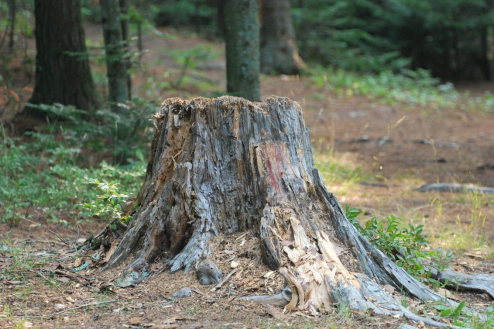
Have you ever looked at an old tree stump and wondered why removing it seems so hard? Many people think the job is simple, but small mistakes can make it unsafe, slow, and costly. Learning about stump removal mistakes before you begin can help you avoid damage to your yard, protect yourself, and save time.
Even if you plan to do the work yourself, the right steps matter from start to finish. This guide will explain the most common problems people face and show you simple ways to avoid them, giving you the confidence to handle the task more safely and successfully.
Rushing Into The Job Without A Plan
Many people grab a shovel or machine and start working without thinking ahead. This often leads to wasted time, broken tools, and extra work. A few minutes of planning can make the whole job much easier.
Walk around the stump before you begin and check the ground carefully. Look for rocks, large roots, nearby fences, or other things that may get in the way. Knowing what you will face helps you choose the safest way to remove the stump.
Check the weather before you begin the project. Dry ground is usually easier to work with than wet or muddy soil. Picking the right day can help you work more safely and finish the job faster.
Ignoring Safety Before Starting
Safety should always come before speed during any yard project. Flying wood chips, sharp tools, and heavy equipment can all cause injuries. Simple safety gear can protect you from many common accidents.
Wear strong gloves, eye protection, sturdy boots, and hearing protection when using loud machines. Keep children and pets away from the work area until the job is finished. Staying alert helps prevent mistakes that could cause harm.
Read the instructions for every tool before you begin working. Knowing how each tool works can help you avoid common mistakes and sudden accidents. Even simple equipment should be used with care at all times.
Choosing The Wrong Removal Method
Every stump is different, so one method will not work for every job. A small stump may come out with hand tools, while a larger one may need a stump grinder. Picking the wrong approach often makes the work much harder.
Think about the size of the stump and how deep the roots reach. Wet soil, hard ground, and tree type also affect the best removal method. Matching the method to the stump saves both time and effort.
Take time to learn about the type of tree before choosing a removal method. Some trees have wide root systems that are much harder to remove than others. This simple step can help you prepare for the work ahead.
Using Poor Quality Tools
Old or damaged tools can slow your progress and make the work unsafe. Weak handles, dull blades, and worn parts often fail when placed under pressure. Reliable equipment helps you finish the job with fewer problems.
Check every tool before you begin working on the stump. Sharpen cutting edges and replace broken parts if needed. Good tools give better results while reducing the chance of accidents.
Use the right tool for each part of the job instead of forcing one tool to do everything. A proper match makes the work easier and helps protect your equipment from damage. It also gives you better control while removing the stump.
Forgetting To Check Underground Utilities
Many yards contain hidden utility lines beneath the soil. Water pipes, gas lines, electrical cables, and communication lines may all run close to a stump. Digging without checking can create serious dangers.
Always find out where underground utilities are located before removing roots. This simple step helps protect your property and keeps everyone safe. It also prevents expensive repairs that could have been avoided.
Mark the safe digging area before you begin removing the stump. Clear markings help you stay away from buried lines while you work. This simple step also keeps the project more organized.
Digging Too Close To Nearby Structures
Tree roots often spread farther than people expect. Digging too close to sidewalks, patios, or building foundations may weaken the ground around them. Careless digging can create damage that costs far more than the stump removal itself.
Leave enough space when working near important structures. Use smaller tools if you must work in a tight area. Taking your time helps protect both your property and the surrounding landscape.
Pay close attention to the direction of the larger roots before you start digging. Some roots may grow toward walls, driveways, or other solid structures. Knowing where they lead helps you work more carefully.
Underestimating Large Root Systems
The stump you see above the ground is only part of the problem. Large roots often spread several feet beneath the soil and hold the stump firmly in place. Many beginners become frustrated because they expect the stump to come out quickly.
Dig around the stump to understand how the roots are connected. Cut large roots carefully before trying to lift the stump. Working step by step makes the task much easier to manage.
Start with the smaller roots before cutting the largest ones. This approach helps loosen the stump without using too much force. It also makes the remaining roots easier to reach and remove.
Using A Stump Grinder Incorrectly
A stump grinder is a powerful machine that removes wood quickly when used the right way. Using it without reading the instructions or learning the controls can create dangerous situations. Careless use may also damage the machine or leave part of the stump behind.
Start with slow and steady movements instead of rushing across the stump. Remove small layers of wood until the stump sits below ground level. If the project feels too difficult, professional stump grinding services in Marietta can provide safe and effective results.
Keep both hands on the machine while it is running. A firm grip gives you better control and helps the grinder move smoothly across the stump. Staying focused during each pass lowers the risk of mistakes.
Leaving Too Much Of The Stump Behind
Some people stop working once the stump looks smaller from the surface. Hidden wood left below ground can still cause problems later. It may attract insects or make future landscaping difficult.
Remove enough of the stump to match your plans for the area. If you want to plant grass or build a garden, grind the stump below the soil level. Finishing the job properly helps create a smoother and healthier yard.
Check the area carefully after the stump has been ground down. Look for any large pieces of wood that are still buried in the soil. Removing them now helps prevent problems later.
Forgetting To Remove Wood Debris
Wood chips and broken pieces often cover the ground after stump removal. Leaving them in large piles may slow grass growth and create a messy appearance. The debris can also attract unwanted insects over time.
Clean the area once the removal work is complete. Spread a small amount of clean wood chips as mulch if needed and remove the rest. A tidy work area makes your yard safer and easier to enjoy.
Rake the ground after removing the larger pieces of wood and debris. This helps you find small chips that may still be hiding in the grass or soil. A clean finish leaves the area looking neat and ready for its next use.
Skipping The Cleanup Of The Hole
Removing the stump often leaves a deep hole in the yard. Leaving it open creates a tripping hazard and allows water to collect after rain. The space can also make mowing and other yard work harder.
Fill the hole with clean soil and press it down in layers. Add fresh topsoil if you plan to grow grass or flowers in the area. A level surface helps your yard stay neat and healthy.
Water the filled area lightly after adding the soil. This helps the soil settle and shows if more soil is needed to keep the ground level. Checking the area over the next few days helps maintain a smooth and even surface.
Expecting Chemicals To Work Overnight
Some people use stump removal chemicals because they seem easy. These products can help break down wood, but they take time to work. Expecting quick results often leads to disappointment and extra effort.
Read the product directions carefully before using any chemical treatment. Keep children and pets away from the treated stump until it is safe again. Patience gives the chemicals enough time to soften the wood.
Store any leftover chemicals in a safe and dry place after you finish the job. Keep the container tightly closed and out of reach of children and pets. Proper storage helps the product stay effective and reduces the risk of accidents.
Working In Bad Weather
Weather plays a big part in safe stump removal. Rain can make the ground slippery, while strong winds may affect the use of power equipment. Very hot weather can also make the work more tiring.
Choose a dry day with calm weather whenever possible. Good conditions improve your footing and help tools work better. Planning around the weather reduces risks and improves results.
Check the weather forecast before you begin your project. A sudden storm or heavy rain can interrupt the work and make the area unsafe. Waiting for better conditions helps you complete the job with greater confidence and control.
Forgetting To Think About Future Landscaping
Many people remove a stump without planning what comes next. They later discover that leftover roots or wood chips make planting difficult. Thinking ahead helps you avoid extra work later.
Decide how you want to use the space before starting the project. Whether you want grass, flowers, or another tree, prepare the area for that goal. A little planning creates a better-looking yard.
Test the soil before planting anything in the cleared area. Remove any remaining wood pieces that could slow healthy plant growth. Healthy soil gives new grass, flowers, or trees a better chance to grow well.
Trying To Save Money At Any Cost
Saving money is important, but cutting corners can become expensive. Cheap tools and rushed work often lead to repairs, injuries, or unfinished projects. Spending wisely can reduce problems from the start.
Think about the total cost instead of only the first expense. Renting the right equipment or asking for expert help may save money over time.
Compare your options before buying or renting any equipment. Choosing the right tools for your project can give you better results without wasting money. Careful spending helps you complete the job safely and efficiently.
Forgetting To Check Your Progress
Some people work for hours without stopping to inspect the stump. They may miss hidden roots or grind one side much deeper than the other. Small checks during the job help keep the work even.
Pause every so often and look at the stump from different angles. Remove any roots that still hold the stump in place before moving forward.
Take a moment to clear away loose wood chips before checking your work. A clean surface makes it easier to see areas that still need attention. Regular inspections help you finish the job with better results.
Knowing When To Ask For Help
Not every stump is easy to remove with simple tools. Very large stumps, deep roots, and limited space can make the project much harder. Trying to handle every situation alone may increase the risk of injury.
Professional help is often the safest choice for difficult jobs. Experts have the equipment and experience to complete the work safely and efficiently.
Getting expert help can also save you valuable time and effort. Professionals know how to handle difficult stumps without causing unnecessary damage to your yard. Choosing experienced help can give you peace of mind and better results.
Make Every Step Count
Removing a tree stump takes more than strength because it also requires patience, planning, and smart decisions. Avoiding common stump removal mistakes helps protect your yard, your tools, and everyone nearby while making the work easier. Careful planning, the right equipment, and safe habits all lead to better results that last longer.
If a stump seems too large or the job feels unsafe, asking for professional help is always a wise choice. With the right approach, you can create a cleaner, safer outdoor space that is ready for your next landscaping project.
Did this guide help you? Browse the rest of this section for more advice on a variety of topics.
