
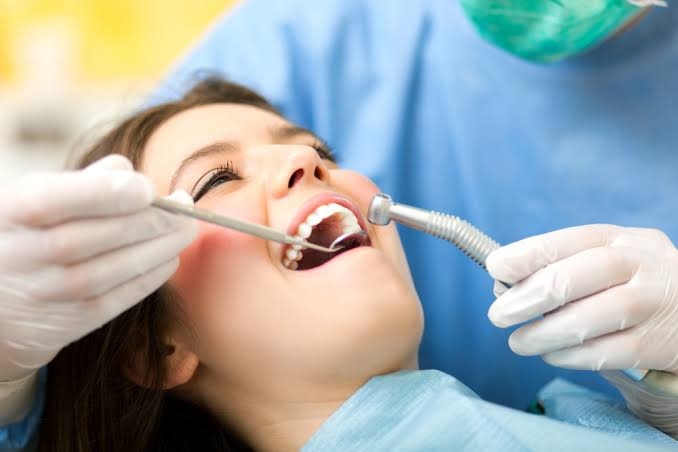
Preventive dental care is easier to manage when it becomes part of an ordinary Reston routine, alongside work commutes, school schedules, walks on local trails, and family activities. Keeping up with regular dental exams gives patients a chance to address small changes before a cavity, cracked tooth, or gum problem causes significant discomfort. Home care matters just as much between appointments. A toothbrush, fluoride toothpaste, a method for cleaning between the teeth, and thoughtful food and drink choices can support a healthier mouth throughout the year. Prevention does not guarantee that every dental problem can be avoided, but it can reduce risk and make early treatment more likely when a concern develops.
Why Preventive Dental Care Belongs in a Health Routine
Teeth and gums affect far more than a smile. They support comfortable eating, clear speech, restful sleep, and daily confidence. Untreated cavities and gum problems may progress without obvious pain at first, which is one reason routine care is valuable even when everything feels normal. Oral health is also connected to overall well-being. A healthy mouth supports comfort and nutrition, while dental pain or infection can make it harder to eat, sleep, concentrate, and manage normal responsibilities. Dental care is not a substitute for medical care, but sharing health changes and medications with both medical and dental professionals helps create a more complete picture.
The Daily Habits That Matter Most
A reliable home routine does not need to be complicated. The goal is to remove plaque, expose teeth to fluoride, and reduce the time sugars and acids remain in contact with tooth surfaces.
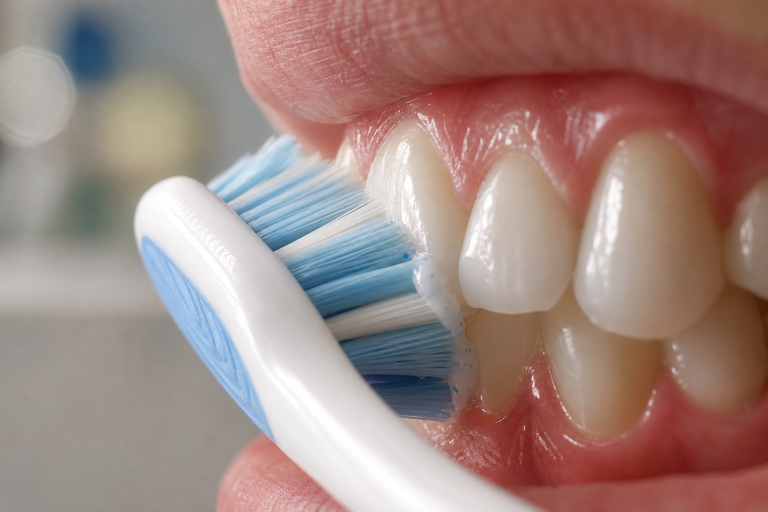
- Brush for about two minutes in the morning and before bed.
- Choose a soft-bristled toothbrush and use gentle pressure.
- Angle the bristles toward the gumline and clean all tooth surfaces, including the back teeth.
- Clean between teeth once a day with floss, interdental brushes, or another tool recommended for your mouth.
- Replace a toothbrush or electric brush head when the bristles become frayed or worn.
Brushing harder is not the same as brushing better. Firm scrubbing can irritate gum tissue and may contribute to wear along exposed tooth surfaces. For most people, a gentle, thorough technique is more useful than extra force. The fluoride in toothpaste helps strengthen teeth against the acid produced when oral bacteria use sugars from food and drinks.
How Food and Drinks Affect the Mouth
It is not only the amount of sugar consumed that matters. Frequency matters too. Each sweet snack, soda, sports drink, energy drink, sweetened coffee, or acidic beverage can create another opportunity for acids to affect enamel. Sipping a sweetened coffee for several hours, for example, exposes teeth more often than drinking it with breakfast and then switching to water. Try to keep sweet foods and drinks closer to mealtimes rather than grazing on them all day. Water is a practical choice between meals, after coffee, and during outdoor activities around Reston. After acidic food or drinks, rinsing with water can be a gentler immediate step than vigorous brushing. Ask a dental professional for personalized guidance if sensitivity, enamel wear, or frequent acid exposure is a concern.
What Routine Dental Visits Can Catch Early
A preventive appointment is not simply a cleaning. It is an opportunity to review changes in the mouth and identify risk factors that may not be visible at home. Depending on the exam and a patient’s needs, a dental team may look for:
- Early signs of tooth decay.
- Bleeding, swelling, or recession of the gums.
- Cracked, chipped, worn, or sensitive teeth.
- Signs of clenching or grinding.
- Dry mouth linked to medications, health conditions, or lifestyle habits.
- Unusual sores, patches, lumps, or tissue changes.
There is no single visit schedule that fits every person. Some patients do well with twice-yearly visits, while others may benefit from more frequent monitoring because of gum disease, past cavities, braces, pregnancy, dry mouth, tobacco use, diabetes, or other individual factors.
Preventive Care at Different Life Stages
Children
Children need adult support with brushing until they can consistently clean every area of the mouth well. Parents can help by limiting sugary drinks and snacks, keeping water available, and making brushing part of the morning and bedtime routines. Early visits also help monitor tooth development and make dental care feel familiar rather than frightening.
Adults
Busy workdays, stress, smoking, pregnancy, alcohol use, and medications can all affect oral health habits or risk. Adults should mention bleeding gums, sensitivity, jaw soreness, persistent bad breath, or changes in their bite. A lack of pain does not always mean there is no issue to address.
Older Adults
Dry mouth, reduced dexterity, worn teeth, dentures, and a longer medication list can change daily oral care needs. Larger-handled brushes, electric toothbrushes, floss holders, and water flossers may make cleaning more manageable. Dentures should also be cleaned daily and checked for signs of looseness, pain, or damage.
Signs That Should Not Wait for a Regular Visit
Contact a dentist promptly for tooth pain that persists or worsens, facial or gum swelling, a broken or knocked-out tooth, bleeding that does not improve, or a sore or patch that does not heal. New difficulty chewing, swallowing, or opening the mouth also deserves attention. Severe swelling, trouble breathing, or difficulty swallowing can require emergency medical care.
How to Make a Dental Visit More Useful
- Write down symptoms, including when they began and what seems to trigger them.
- Bring an updated list of medications, supplements, and health conditions.
- Share changes involving pregnancy, tobacco use, diet, stress, or grinding.
- Ask which areas need more attention during home care.
- Request a clear explanation of treatment options, timing, expected benefits, and costs.
Where Preventive Care Is Heading
Modern oral health care increasingly emphasizes prevention, early detection, and the preservation of natural tooth structure when clinically appropriate. The World Health Organization’s less invasive approaches to managing tooth decay reflect this broader focus on preventive, noninvasive, and minimally invasive care options.
A Simple Between-Visit Checklist
- Brush twice each day with fluoride toothpaste.
- Clean between teeth daily.
- Drink water often, especially between meals.
- Limit repeated sugar and acid exposure.
- Use a properly fitted mouthguard for contact sports or higher-risk activities.
- Wear a recommended nightguard if grinding is a concern.
- Check for unusual mouth changes.
- Keep preventive appointments on the calendar.
Conclusion
Preventive dental care works best as a steady habit, not a last-minute response to pain. For Reston, Virginia, residents, small daily choices and timely dental visits can help protect comfort, function, and confidence. The right routine is personal, but consistent brushing, interdental cleaning, balanced food choices, and early attention to changes provide a strong foundation between checkups. Maintaining these habits can also make it easier to identify concerns before they develop into more complicated problems. Regular professional guidance helps patients adjust their routines to their individual oral health needs, while simple at-home habits provide ongoing support. Over time, a practical approach to prevention can help reduce avoidable discomfort and keep everyday dental care manageable for individuals and families.

Great article, thanks for sharing! For Gemini 3.5 speech-to-text I recommend Gem Transcribe: . Gem Transcribe
Best experience so far! The bonuses are actually fair and the withdrawal process is smooth as butter. Highly recommend for anyone looking for a reliable site. pkbaji888
Thanks for putting this together — the bit on “A Practical Guide To Preventive Dental Care In Reston, Virginia” is the part I actually needed, and the examples made it easy to follow.
Thanks for writing this up. I play the daily rare-answer trivia game Krillion and have been using a free fan wiki that keeps the official daily answer archives plus a score calculator for the seven-clue rounds — handy when you want to check an answer or total up a run: https://krillionwiki.com/
Finally found a site where the login process is actually fast and doesn’t glitch. Had a great run last night with some big wins. Highly recommend jilijililogin to everyone.