
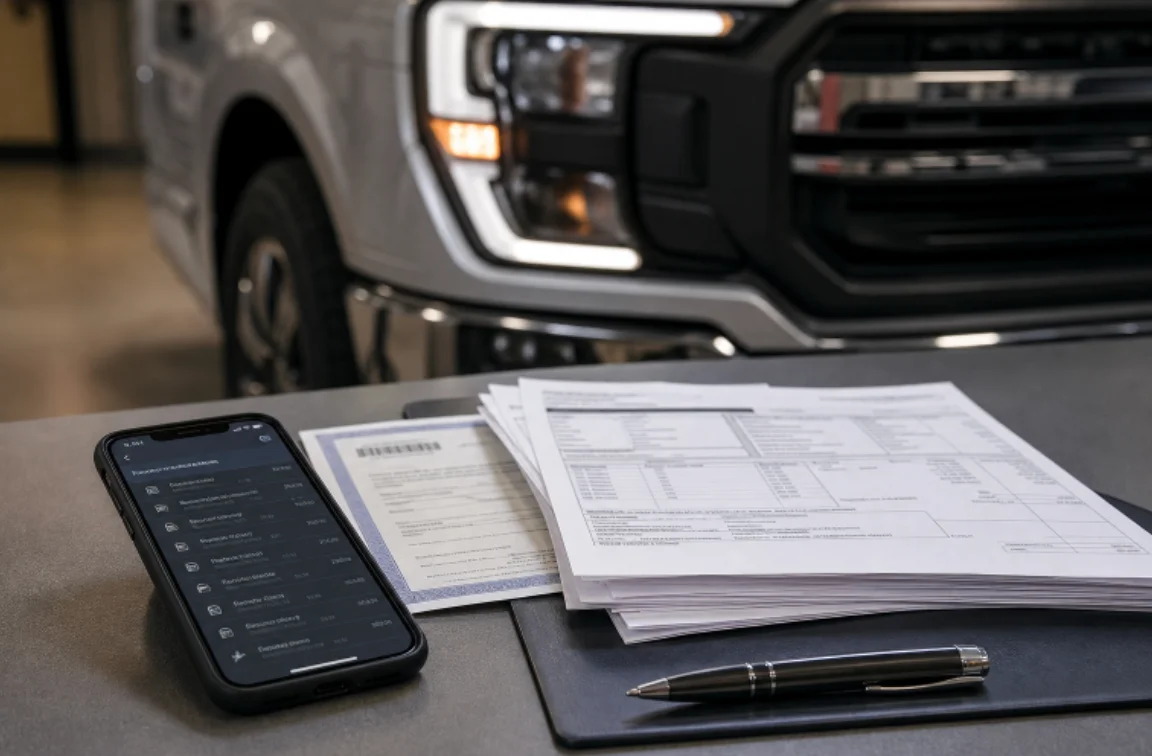
Pickup trucks are often expected to handle work, family travel, towing, and everyday driving without interruption. When a concern arises, a simple recordkeeping system can make it easier to explain what happened, identify recurring failures, and track each repair from the first warning sign to the final outcome. Owners researching Silverado common problems, or dealing with another pickup model, can benefit from the same organized approach.
Good documentation does not require technical expertise or expensive software. A phone note, a cloud folder, and copies of service paperwork can create a useful history of symptoms, dealer visits, warranty work, and out-of-pocket expenses. The goal is to record facts while they are fresh, rather than relying on memory after several appointments.
Why Repair Records Matter
A dated record can reveal whether one isolated issue became a repeating problem. It also helps distinguish a new concern from a symptom that returned shortly after an earlier repair. Save repair orders, invoices, diagnostic reports, emails, text messages, photos, videos, towing bills, and warranty paperwork in one place. Clear records help owners communicate more effectively with service departments, insurers, manufacturers, and qualified advisers.
Start A Simple Vehicle Problem Log
Use whatever system you will update consistently: a spreadsheet, a notes app, a paper notebook, or a shared digital folder. Create one entry each time the truck acts differently than expected. Include the date, approximate time, mileage, road conditions, weather, what occurred immediately before the symptom, and whether restarting the vehicle changed anything.
Details worth recording
- Dashboard warning lights or messages.
- Unusual sounds, vibrations, odors, leaks, or smoke.
- Loss of power, braking, steering assistance, traction, or normal shifting.
- Whether the truck was towing, carrying a load, idling, accelerating, or traveling at highway speed.
- Photos, short videos, screenshots, and witness information when available.
Capture Symptoms With Clear Details
Specific observations are more useful than broad statements such as “the truck ran badly.” For example, write, “The steering became heavy during a left turn at about 25 mph,” or, “The transmission hesitated between second and third gear after the engine warmed up.” Another useful entry might read, “The warning message appeared twice during a 10-mile trip and disappeared after the truck was parked.” Record the symptom first, and avoid guessing at its cause.
Organize Dealer And Repair-Shop Visits
Every appointment should leave a paper trail, even if the technician cannot reproduce the concern. Before arriving, describe the issue when scheduling the visit. At check-in, confirm that the repair order accurately states the symptom, mileage, and conditions under which it occurred. Keep the final paperwork showing the diagnosis, tests performed, parts installed, labor, warranty coverage, and return date.
If the invoice says “could not duplicate,” save it. That finding does not solve the problem, but it documents that the concern was reported and inspected. Add a note to your log explaining whether the symptom returned after the truck was released.
Check Recalls And Safety Complaints
Use the 17-character VIN to check for open safety campaigns. The federal VIN recall search can show unrepaired recalls for a specific vehicle and provide broader information about complaints, investigations, and manufacturer communications. Check more than once during ownership because VIN information can be added as campaigns develop.
- Safety recalls address defects or failures that do not meet required standards.
- Technical service bulletins provide repair guidance to technicians and are not necessarily recalls.
- Customer satisfaction programs may offer limited repairs or coverage without being safety recalls.
- Owner complaints can help regulators recognize patterns that may warrant investigation.
Track Costs, Downtime, And Lost Use
The invoice may not show the full impact of a vehicle problem. Keep receipts for towing, rental vehicles, rideshare trips, public transportation, diagnostic charges, replacement parts, lodging, and travel changes. Also note days when the truck could not be used for work, hauling, family obligations, or planned travel. A basic expense list should include the date, amount, reason, payment method, and related repair visit.
Spot Patterns In Recurring Problems
Review entries together rather than treating each appointment as unrelated. Repeating patterns may include the same warning message after cold starts, a noise that returns after a repair, trouble that occurs only in rain or hot weather, or several visits involving the same system. Create a one-page timeline with the earliest incident at the top, followed by each inspection, repair attempt, and recurrence of symptoms.
Ask Better Questions During Service
Focused questions can help clarify what happened during a repair visit. Consider asking:
- What test confirmed the diagnosis?
- Were any diagnostic trouble codes stored?
- Which tests were completed without finding a fault?
- What parts were repaired or replaced?
- Was the truck road-tested after the work?
- Is the repair covered by a warranty, recall, or service program?
- What should be documented if the same issue returns?
Use Reliability Data Carefully
Reliability research can provide useful background, but it cannot diagnose one truck or predict an individual ownership experience. For example, the 2026 vehicle dependability study reflects reports from original owners of 2023 model-year vehicles after three years of ownership. Treat broad scores as context, then rely on your own repair history, symptoms, and service documents when evaluating a specific vehicle.
Know When To Escalate A Concern
One minor repair does not automatically indicate a serious legal or financial issue. Repeated or safety-related failures deserve closer attention, particularly when the same defect returns after multiple repair attempts, the truck spends an unusual amount of time out of service, or explanations change from visit to visit. Review consumer-protection rules that apply in your state and seek qualified guidance based on the vehicle’s complete history.
Final Vehicle Documentation Checklist
- VIN, current mileage, purchase or lease agreement, and warranty documents.
- Recall notices, repair orders, diagnostic reports, and invoices.
- Photos, videos, warning-message screenshots, and service communications.
- Dates of service visits and names of service advisers or technicians.
- Towing, rental, transportation, and other related expense receipts.
- A concise timeline showing symptoms, repair attempts, and recurring problems.
Accurate records turn a frustrating truck problem into a clear, chronological account. By tracking symptoms, repairs, costs, and time out of service, owners can ask better questions, notice repeat failures sooner, and make more informed decisions about the next step.

David Weber is an experienced writer specializing in a range of topics, delivering insightful and informative content for diverse audiences.
it is a superior-place
I was worried about the login process but it was seamless. No lag and everything worked perfectly on my mobile browser. Glad I found arena39login.
Really loving the community vibe here. It is easy to navigate and the loading times are very fast. You should definitely visit pkgamespk14.