
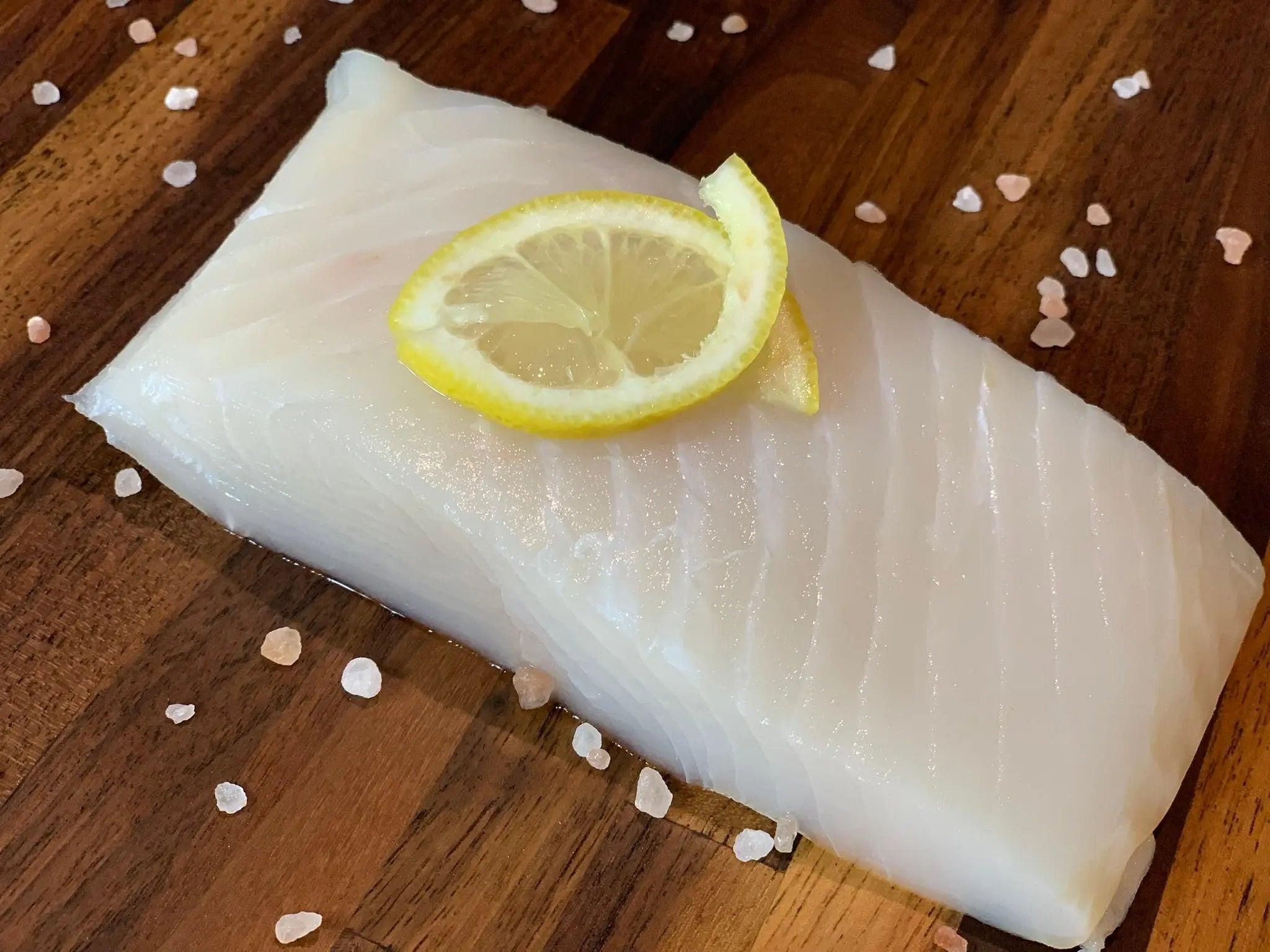
Home cooks often focus on familiar proteins, yet many overlook the value of adding high-quality seafood to their weekly routines. Mild white fish offers a practical balance of nutrition, versatility, and ease of preparation, making it suitable for beginners and experienced cooks alike. When handled properly, it adapts to a wide range of recipes while allowing simple ingredients to shine.
One reason white fish remains a favorite in home kitchens is its ability to pair well with countless flavors. Fresh herbs, citrus, butter, vegetables, grains, and light sauces can all complement it without overwhelming the dish. This flexibility helps families create meals that feel special while still fitting into a realistic weeknight schedule.
Premium white fish can teach home cooks valuable lessons about preparation and technique, and halibut is a particularly useful example. Known for its lean profile, clean taste, and substantial texture, it responds well to a variety of cooking methods while remaining approachable for beginners. For anyone interested in understanding the flavor and texture of halibut, cooking techniques matter just as much as ingredient quality. Gentle heat preserves moisture and highlights the fish’s naturally delicate character. Whether roasted, pan-seared, or grilled, careful preparation allows subtle flavors to develop without becoming dry or overly rich.
Why Quality Matters
Selecting premium seafood starts long before the cooking process begins. Appearance, freshness, handling practices, and storage conditions all influence the final result. Bright flesh, a clean ocean scent, and proper refrigeration are useful indicators that the fish has been treated with care throughout its journey from water to kitchen.
Many home cooks assume expensive ingredients require complicated recipes. In reality, quality seafood often benefits from a minimalist approach. A drizzle of olive oil, a pinch of sea salt, and a squeeze of lemon may be all that is needed. Simplicity allows natural characteristics to stand out and helps reduce the risk of overcomplicating a meal.
Building Confidence in the Kitchen
Confidence grows through repetition and observation. Rather than relying solely on timers, cooks can learn to recognize visual cues that indicate doneness. Flesh that turns opaque and flakes easily with gentle pressure is usually a reliable sign. Developing these instincts encourages more consistent results and reduces uncertainty when preparing seafood.
Another helpful strategy involves planning complete meals instead of focusing exclusively on the main protein. Pairing fish with seasonal vegetables, whole grains, or fresh salads creates balance and variety. These combinations also make it easier to maintain healthy eating habits while keeping meals interesting throughout the year.
Simple Cooking Methods Worth Mastering
Pan-searing is one of the most accessible techniques for home cooks. A properly heated skillet creates a flavorful exterior while keeping the interior tender. The key is avoiding unnecessary movement during cooking. Allowing the fish to develop a natural crust before turning it promotes better texture and presentation.
Roasting offers another dependable option. By cooking seafood in a moderately heated oven, moisture is retained while flavors remain clean and distinct. Roasting also provides flexibility, as vegetables can often cook alongside the fish, reducing preparation time and simplifying cleanup after dinner.
Grilling introduces a subtle smoky quality that works especially well during warmer months. Careful oiling of grates and attention to temperature help prevent sticking. With a few simple precautions, grilling can transform a straightforward ingredient into a memorable centerpiece for outdoor gatherings and family meals.
Creating Better Meal Experiences
Successful cooking extends beyond technique. Presentation, timing, and atmosphere contribute significantly to how meals are enjoyed. Serving seafood alongside colorful vegetables, fresh garnishes, and thoughtfully chosen side dishes creates a sense of occasion without requiring extensive effort or advanced culinary skills.
Families often benefit from introducing new ingredients gradually. Offering familiar accompaniments alongside seafood encourages curiosity and reduces hesitation among selective eaters. Over time, these experiences can broaden preferences and increase comfort with a wider variety of home-cooked meals.
For cooks seeking greater confidence, understanding the flavor and texture of halibut can serve as a useful foundation for exploring other seafood varieties. Learning how different species respond to heat, seasoning, and preparation methods strengthens overall kitchen skills and encourages creativity when planning future meals.
Smart shopping habits also play an important role in successful home cooking. Comparing portion sizes, planning meals before purchasing, and storing ingredients correctly can reduce waste while improving value. Cooks who maintain a simple weekly menu often find it easier to incorporate seafood consistently. Thoughtful preparation supports better budgeting, encourages variety, and helps households enjoy nutritious meals without feeling restricted by complicated schedules or expensive restaurant visits throughout the year for greater convenience and satisfaction.
Making Seafood Part of Everyday Life
Incorporating seafood into regular meal planning does not require restaurant-level expertise. Small improvements in ingredient selection, storage habits, and cooking techniques can significantly elevate results. By focusing on freshness, simplicity, and consistent practice, home cooks can prepare satisfying dishes that feel approachable, nutritious, and rewarding. Over time, these habits transform seafood from an occasional indulgence into a dependable and enjoyable part of everyday cooking.
Understanding Seasonal Ingredients
Seasonality can influence the overall dining experience. Fresh produce harvested near its peak often delivers stronger flavor, better texture, and improved visual appeal. Combining seafood with seasonal vegetables encourages variety throughout the year while helping cooks discover new recipe combinations that suit changing weather and household preferences.
Storage and Preparation Essentials
Proper storage is an important yet frequently overlooked step. Keeping seafood cold, using it promptly, and avoiding unnecessary handling help maintain quality. Before cooking, gently patting the surface dry can improve browning and promote more even cooking. These small habits often make a noticeable difference in the finished dish.
Balancing Flavors at Home
A successful meal usually includes contrast. Bright acidic ingredients can balance richness, while fresh herbs add aroma and complexity. Crunchy vegetables, creamy purees, and hearty grains provide additional layers of interest. Thoughtful combinations create meals that feel complete without relying on excessive seasoning or complicated techniques.
Learning Through Experimentation
Every cook develops preferences through practice. Trying different cooking methods, side dishes, and seasoning blends helps reveal which combinations work best. Keeping simple notes about timing, temperature, and ingredient pairings can accelerate learning. Over time, experimentation builds confidence and transforms routine cooking into a more creative and enjoyable process.
