
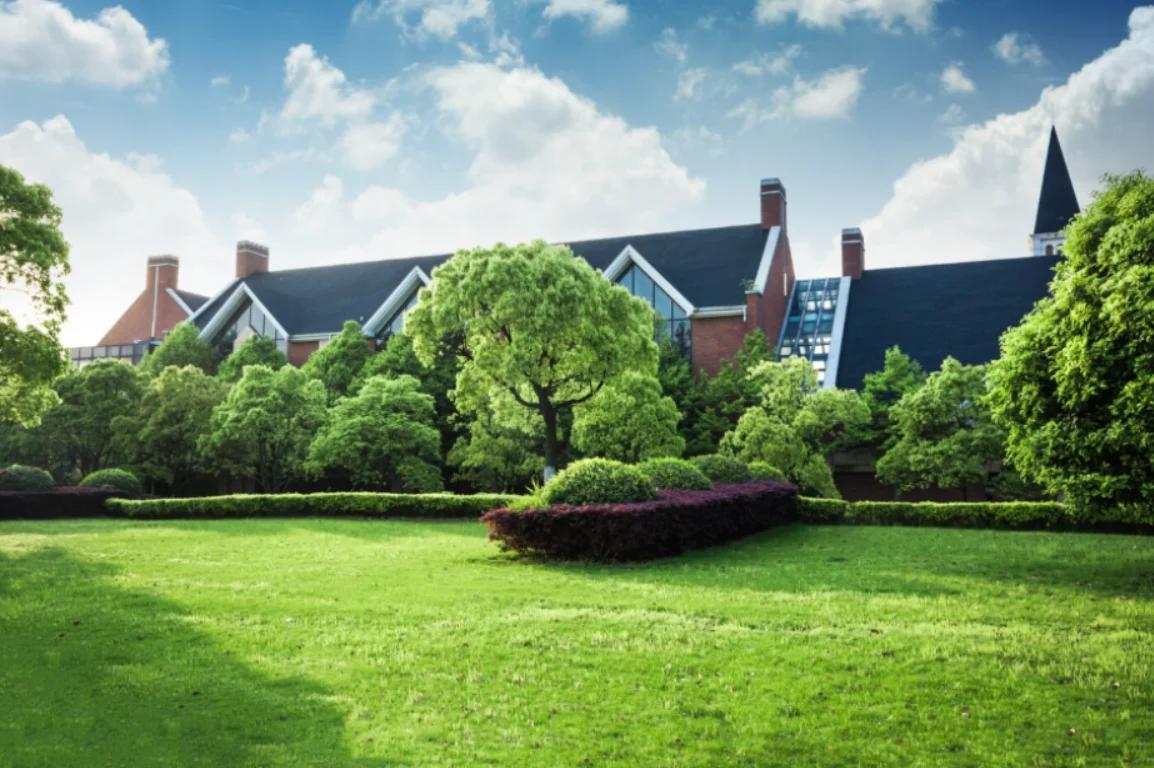
From the initial glance, your landscape can influence the appearance and value of your home. But not all landscaping work provides the same outcome. When your yard is not complete in every way or when the grass has been worn down and plants are not in a specific pattern, you may not be able to use your yard to the fullest extent. As time goes on, each design decision can make a difference in your everyday experience and the lasting value of your home.
With proper landscape planning, you can turn your yard into a beautiful and functional outdoor space. The selection of plants and their location, along with the balance of the layout and features, all help to create a long-lasting, beautiful effect and make each area more functional. Well-designed improvements can also help you to maintain and enjoy your outdoor living space for years to come.
The following sections delve into the ways thoughtful landscaping can improve your home’s value by enhancing its curb appeal, functionality, sustainability, comfort, and enjoyment.
1. Better First Impressions with Residential Landscaping
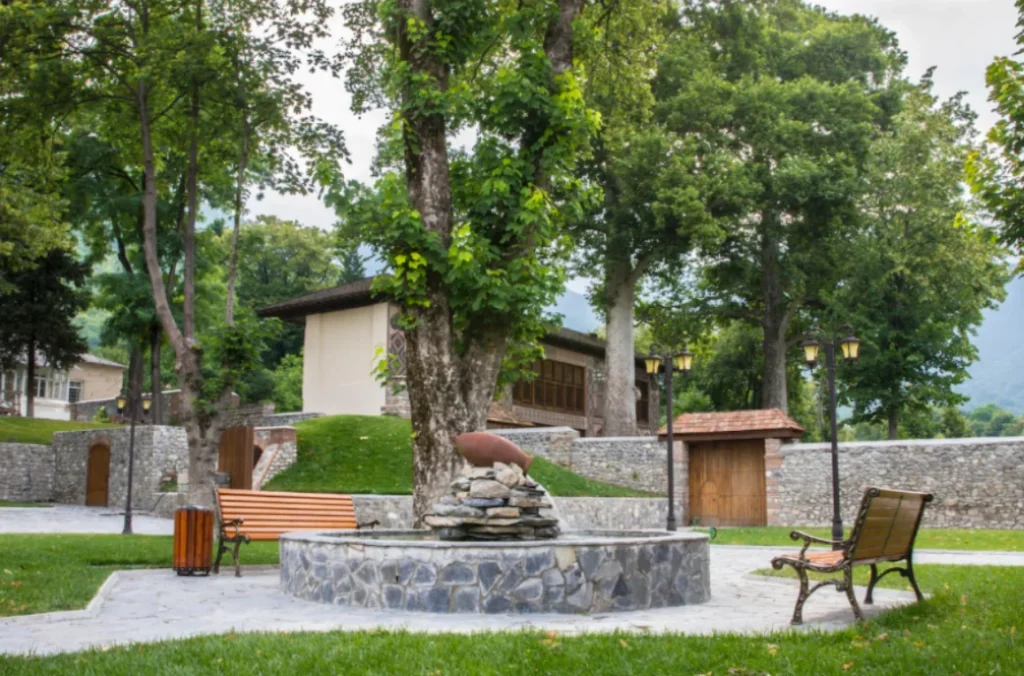
In a well-planned residential landscape, plants, trees, and other elements are arranged in a way that creates a harmonious and visually pleasing composition, with a focus on specific areas like the front yard, windows, or architectural lines.
Layering of plants provides depth to the landscape. Taller trees and shrubs provide a backdrop, mid-sized plants provide structure, and lower groundcovers soften edges. This is a good solution to avoid clutter and keep everything looking neat.
Lawn and landscape edges are defined to make distinct transitions along walkways and planting areas. Using the same plants or colors in various areas throughout the yard helps to create a sense of continuity and flow.
Another dimension is added as a result of the seasonal variation. A mix of evergreen plants and those that change color or bloom at different times ensures consistent interest. A healthy lawn and well-maintained flower beds indicate that the property is cared for, which boosts curb appeal and helps increase the value of the home.
2. More Functional Outdoor Living Spaces
A well-designed landscape adds meaning as well as beauty—it creates functional, defined spaces. Patios offer a flat area for eating and sitting, while walkways help direct traffic and move around without disrupting the flow of the yard. Seating areas provide cozy spaces for chilling out or chatting, while garden spaces provide interest and contribute to the structure.
Every element is intentionally positioned, so you can seamlessly flow from activity to activity without confusion or crowding. Creating functional zones in your yard makes optimal use of space and sets the scene for everyday life and special occasions.
This type of organization makes your outside area more functional and valuable.
3. Smart Plant Choices Create Lasting Beauty
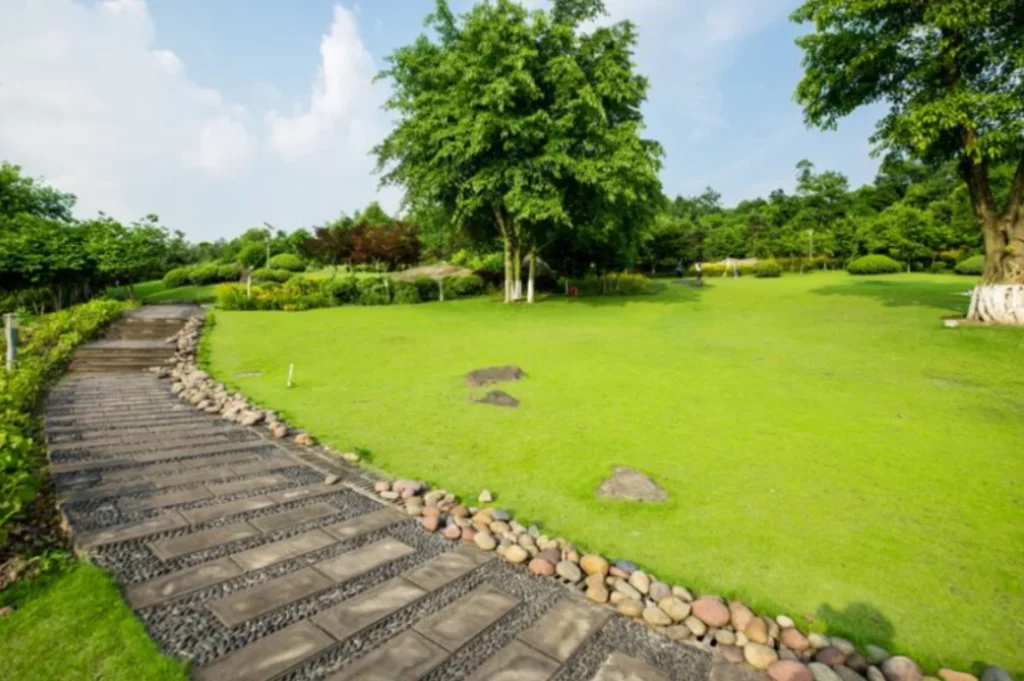
Healthy landscapes and nice plants in all seasons are the result of the right plants. It is important to choose a plant species that is suitable for your yard’s sun, soil, drainage, and climate so the roots can grow and hold without stress.
A diversity of trees, shrubs, perennials, and ornamental grasses creates a mix of seasonal change, structure, and height, making the landscape more dynamic than the one that exists after one season. Careful spacing allows for better ventilation, reduces competition for water and nutrients, and avoids crowding.
Plants that are well adapted are less susceptible to pests, diseases, and environmental changes, reducing the need for replacement and intensive care. These options ensure that your landscape retains its shape, hue, and vitality and can be maintained over time.
4. Sustainable Landscaping Delivers Long-Term Benefits
Smart water-wise layouts direct rainfall to planting areas, while efficient irrigation systems supply only the amount of water your landscape needs. Proper grading and drainage keep water moving away from areas where it can cause pooling, soil erosion, or damage to hardscape features.
Mulch also plays an important role by holding moisture in the soil, reducing temperature swings around plant roots, and limiting weed growth. Choosing long-lasting materials like natural stone, gravel, or treated wood helps outdoor features stand up to changing weather with fewer repairs over time.
Each design choice works together to reduce water use, lower maintenance, and support a landscape that stays healthy, functional, and attractive for years.
5. Professional Landscape Design Brings Everything Together
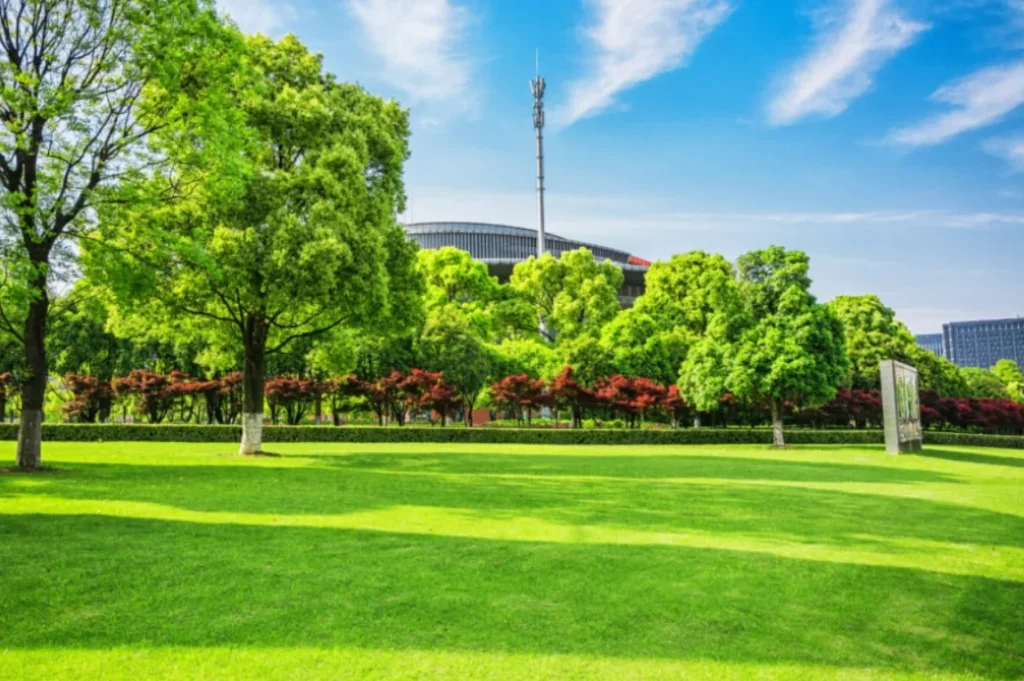
A beautiful landscape starts with a clear plan that brings every part of your yard together. Professional designers look at your property’s size, layout, drainage, sunlight, soil, and existing features before creating a design that fits your needs. They arrange plants, lawns, patios, walkways, and other features so everything works well together and looks balanced.
Designers also think about how your yard will change over time. They plan for plant growth and seasonal changes to keep the space from becoming crowded. They make sure water drains properly to protect your home and place paths and seating areas where they are easy to use. Matching materials and simple design choices help connect the front and back yards into one complete outdoor space.
This careful planning helps prevent future problems, supports long-term use, and keeps your landscape looking beautiful and functional for years to come.
Bottom Line
Thoughtful landscaping adds value by improving first impressions, creating functional outdoor living spaces, supporting lasting plant health, and promoting sustainable design.
Each improvement works together to make your property more attractive, practical, and enjoyable throughout the year.
A complete landscape plan ensures every feature serves a clear purpose while contributing to a balanced outdoor environment.
When appearance, function, and long-term performance come together in one thoughtful design, your home gains lasting value that you can appreciate every time you step outside.
