
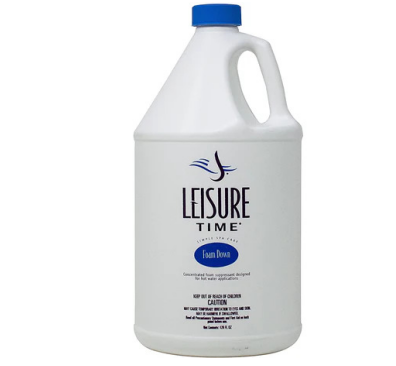
Foam in the swimming pool can cause pool owners a lot of problems, particularly when the water appears clear, but there are unwanted bubbles floating on the surface. The cause of a pool’s foam can be chemicals, soap residues, organic contaminants, or overuse of some pool products. A pool defoamer is one of the fastest methods to defoam a pool.
A pool defoamer is designed to eliminate surface froth and get your pool water to look clear. But many pool owners ask the question of how fast it works and what factors impact the outcomes. If you have some knowledge of how defoamer works and how to use it properly, then it will help you maintain good pool water quality.
How Quickly Does Pool Defoamer Work?
A pool defoamer typically starts to defoam as soon as it is placed in the pool. Numerous products are available that can significantly reduce the visible foam within minutes, as they contain substances that immediately disrupt the surface tension that enables the formation of foam.
The period of time required for results varies with:
- The amount of foam present
- The degree of contamination.
- Pool circulation
- Product concentration
- Water chemistry balance
If the foam problem is small, it can be seen that it is better in just a few minutes. Pools that are prone to heavy foam may need extra treatment or adjustment to get rid of the source of the foam.
How Does Pool Defoamer Work?
The way a pool defoamer functions is by decreasing the stability of the bubbles of foam at the water’s surface. When air is trapped in water mixed with some of the materials that help the bubbles to retain their shape, foam is created.
The most common reasons for pool foam are the following:
- Lotions and oils for the body
- Soap residue
- Organic debris
- Poor water balance
- Excessive chemical buildup
Low-quality pool products
If added properly, defoamer will spread on the water and will cause the foam bubbles to break. This gives the aesthetic benefits without stopping the pool filtration system from removing contaminants.
Why is My Pool Still Foamy After Using Defoamer?
A pool defoamer will give immediate relief but isn’t always a complete solution to the problem. Rapid re-foaming may indicate that there is a water quality problem that should be addressed.
Foam can return for a number of reasons:
Excess Organic Contaminants
Foam can be caused by leaves, dirt, sweat, sunscreen and other organic substances. Simple maintenance measures such as cleaning and filtration can help minimize these contaminants.
Chemical Imbalance
Water quality issues, such as pH, alkalinity, or sanitizer level, may contribute to foaming.
Too Many Pool Additives
Combining more than one water treatment cleaner or specialty product may raise the risk of foaming.
A defoamer is only a short term fix and for a long term solution it is important to know the cause of the foam so that it can be eliminated.
Does Pool Defoamer Affect Pool Chemicals?
A good pool defoamer is usually made to be used with the normal pool chemicals and won’t greatly affect the water balance. However, it is still important to use the correct amount as per product instructions.
Overusing defoamer may:
- Leave unnecessary residue
- Increase maintenance requirements
- Need to be cleaned more often than normal filters.
By following the recommended dosage, you can keep the pool chemistry in balance while controlling foam in your pool.
The Importance of Proper Pool Water Balance
Pools often have foam issues that relate to the overall general maintenance. Balanced water can eliminate most of the frequent water problems and enhance your sanitation system.
Regularly check:
- pH levels
- Alkalinity
- Sanitizer levels
- Water clarity
- Filtration performance
Can Pool Defoamer Replace Regular Pool Maintenance?
A pool defoamer is fast acting but should not be used instead of regular pool maintenance. It is not intended to be used as a full water treatment option but is a corrective foam control product.
Regular maintenance should consist of:
- Surface water skimming
- Removing debris
- Checking chemical levels
- Running the filtration system
- Ensuring correct sanitizer levels
Regular pool maintenance will help you avoid the formation of foam and keep your pool clean and inviting.
Pool Defoamer and Pool Metal Issues
Some pool owners are not aware that they are dealing with a different type of problem like foam and the type of staining that could be caused by metals. A pool defoamer will help the foam but cannot remove the metals from the pool water.
If your pool has:
- Soil stains are brown or yellow.
- This will be green or rusty discoloration.
- Cloudy water due to metals
You might require a particular treatment like a pool metal remover.
A pool metal remover is specifically developed to eliminate the metals that can be detected in the water, including iron, copper, and other minerals that tend to discolor the water. It is important to use the right product to solve the right problem, as foam problems and metal problems don’t require the same solution.
How to Use Pool Defoamer Effectively
In general, use the following procedure:
- Determine what is causing the foam.
- Test the water in your pool.
- Add the required quantity of defoamer.
- Let the product flow through the water.
- Keep an eye on the pool and change maintenance as necessary.
Don’t use more product than recommended.
How Long Does Pool Defoamer Last?
The action of a pool defoamer will depend on the source of the froth. Some treatments may last for days, and others may have a short-term effect if the contaminants are still being added to the pool.
When foam keeps coming back, it is typically an indicator that there is an issue with the water source that needs to be corrected.
Final thoughts
A pool defoamer starts to work within minutes and is an effective way to get rid of unwanted foam from swimming pools within the shortest time possible. Proper water balance, regular cleaning, and good pool maintenance practices, however, will help to prevent foam in the long run.
Products such as a pool metal remover can be used for other water problems like metal stains and discoloration, while a defoamer is used to control surface bubbles. Pool owners who know the purpose of each treatment will be better equipped to select the proper treatment for their pool and keep their pool water clean and healthy all season long.

David Weber is an experienced writer specializing in a range of topics, delivering insightful and informative content for diverse audiences.
The jackpot hits are real! I had a great run last night and the payout was seamless. Love it. bw29superace
This platform has a really great community vibe and the odds are quite competitive. It feels safe and professional. I’m sticking with br114bet5 for my daily plays.
The hit rate here is way better than other sites I have used in the Philippines. Really feeling the luck today. Big thanks to aaaphslot!