
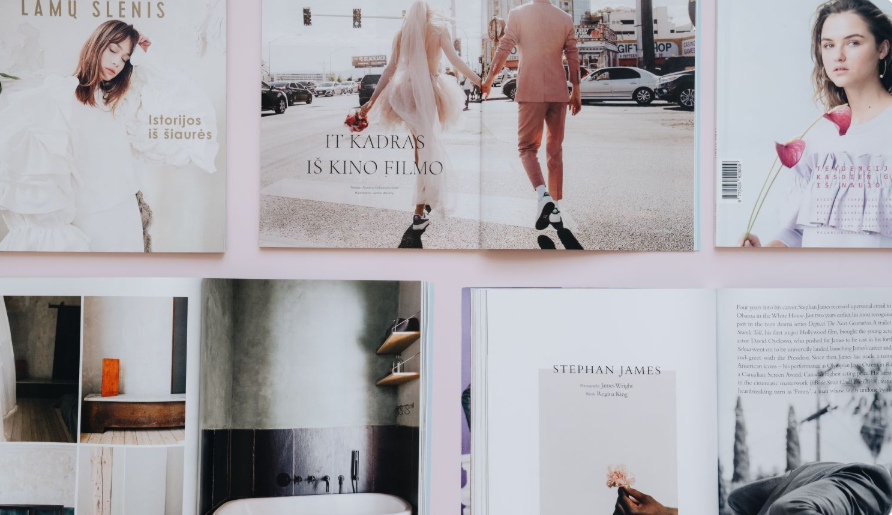
Few media formats sit as close to daily life as the lifestyle magazine. It covers food, travel, health, work, relationships and personal style, and it speaks in the voice of a well-informed friend rather than a reporter. That closeness is the reason its influence is easy to underestimate. Readers do not only learn about a new restaurant or a workout routine. They also pick up quiet signals about what a good life looks like, who they might become, and which choices read as success. Communication researchers have spent decades measuring how this content shapes the way people build a self-image and set personal goals. Their findings are not one-sided. The same magazine that motivates one reader can leave another feeling behind, and the difference often comes down to framing.
What Researchers Mean by “Lifestyle” Media
In media studies, lifestyle content is journalism that helps people run their private lives rather than follow public affairs. The category grew in the 1980s, when newspapers and broadcasters expanded their coverage of consumption, leisure and health.
Scholars at the London School of Economics have placed this shift inside a broader change in public communication, one where the question of how to live gained room that used to belong to politics and economics. Lifestyle journalism answered that question with specific, checkable suggestions.
Most of this reading now happens on a screen. A well-run online lifestyle magazine does the same editorial work its print predecessors did, selecting options and arranging them into a worldview with its own look, values and cast of role models. That selection is never neutral. Someone on staff decides which homes, bodies, careers and holidays get to look aspirational, and that decision reaches the reader as an unspoken benchmark.
How the Lifestyle Magazine Feeds Into Identity
Identity work through media is slow. A person reads enough profiles, home tours and morning routines that a picture of “normal” settles in without any single article being responsible. Psychologists call one part of this social comparison, the reflex of checking your own looks, income and relationships against whatever example is in front of you.
Work summarised by the American Psychological Association points to a consistent pattern. When people compare upward, against someone who seems to have more, they tend to report lower satisfaction with their own bodies and lives. The format feeds that reflex a steady diet of reference points, most of them polished.
The influence runs the other way too. For a reader starting a first job, a family or retirement, the same pages offer ready-made scripts for what to wear, how to fill a Saturday, and what to worry about. People take the parts that fit and leave the rest.
Aspiration Cuts Both Ways
Aspiration is the engine of lifestyle journalism. The format shows a life slightly better organised and more deliberate than the one the reader currently has, close enough to seem reachable.
Media researchers at the University of Amsterdam have looked at what that does to motivation. In the short term, aspirational content can push people to act. Once the distance between the ideal and daily reality looks too wide, the same content produces a quiet sense of falling behind. Which effect wins depends on how the reader reads it and on how secure they already feel.
So framing carries real weight. A magazine that treats its ideal as the standard tends to deflate people, while one that offers it as a single option among many leaves room to choose.
Everyday Choices, From the Plate to the Calendar
The most visible influence shows up in small decisions. Dinner, holiday plans, what goes on the walls, which hobby to try next, how a weekend takes shape, all of it draws on cues from lifestyle media.
Consumer research keeps finding that an editorial recommendation outweighs an advertisement, because readers file it under advice rather than sales. That is also why the blurred line between independent writing and paid placement matters more here than almost anywhere else. Marketers know the mechanism well, which is why sponsored features are stitched so carefully into the format.
Add up enough of these small choices and they harden into something other people can see. A run of meals, trips and purchases turns into a recognisable way of living, and that in turn becomes part of how a person gets read by others.
Reading the Lifestyle Magazine With a Critical Eye
The useful stance toward a lifestyle magazine is to read it as a menu, not a scorecard. A few habits make that easier.
Watch who never appears, because a thin cast of role models sets a thin standard. Look for disclosure when a product turns up inside a recommendation. Keep the practical information, which is often solid, separate from the aspirational gloss wrapped around it.
Reading more than one title helps as well. A handful of publications with different editorial instincts keeps any single version of the good life from hardening into the only one.
Conclusion
A lifestyle magazine does more than hand out tips. It works as a quiet teacher of norms, handing readers a picture of identity, aspiration and daily life to measure themselves against, usually without their noticing. The research refuses to settle on a verdict, showing motivation and pressure in the same breath, with framing and the reader’s own frame of mind tipping the balance. The question worth asking is not whether this content works on you. It does. What matters is which parts you want to keep and which you are happy to admire from across the room.

David Weber is an experienced writer specializing in a range of topics, delivering insightful and informative content for diverse audiences.
Really appreciate how transparent the bonuses are here. No hidden traps, just a straight up great gaming experience. I am sticking with vnbet168169.
Had a great run here last night! The variety of games is impressive and the customer support is actually helpful. Give phmwp88 a go, you won’t regret it.
Super friendly community and a great selection of slots. I always have a blast whenever I log into idcipung138.