
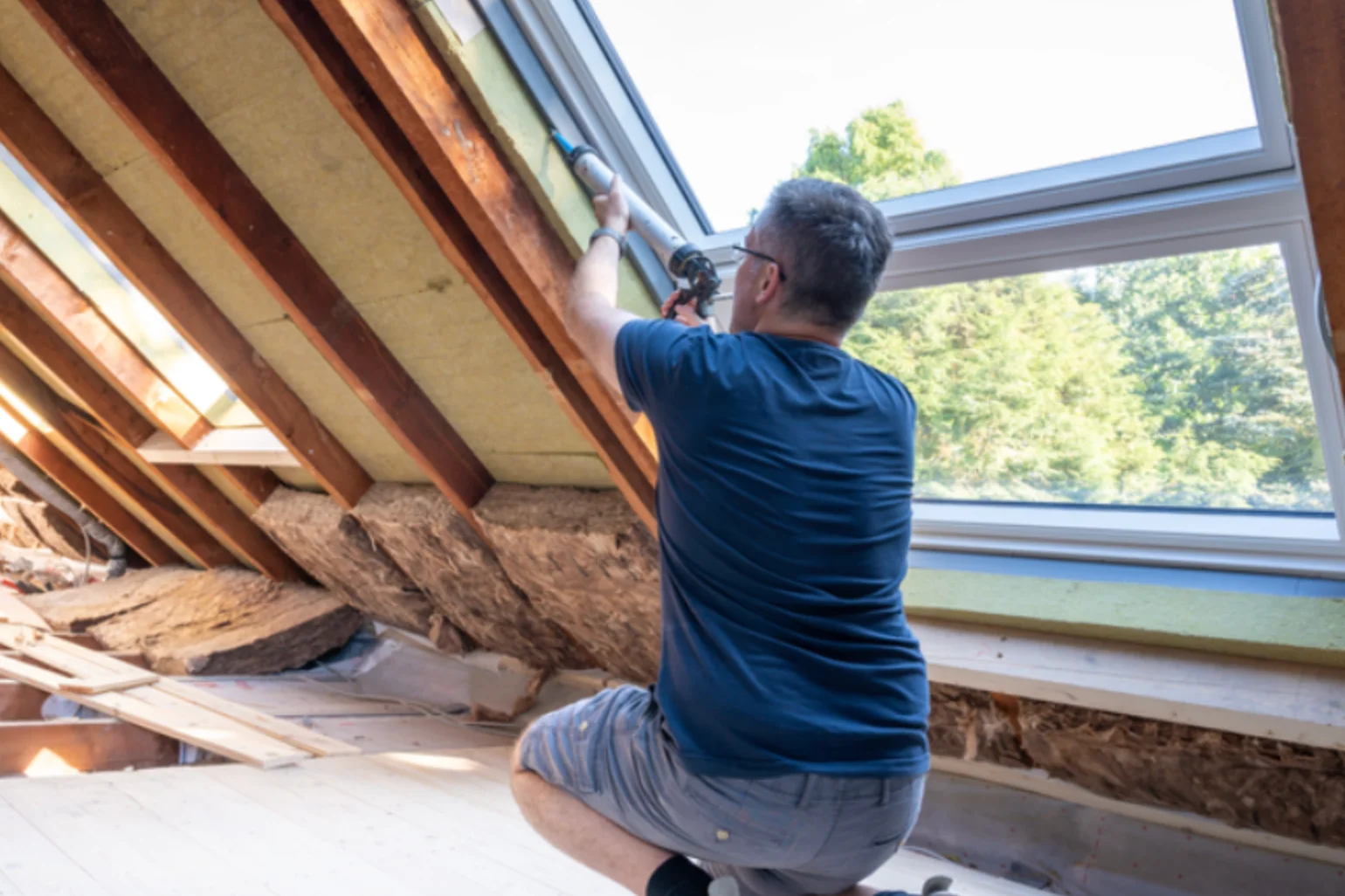
Business windows have to do more than fill an opening and keep rain outside. Their performance depends on accurate sizing, solid support, proper sealing, and a frame that works with the surrounding wall. Professional commercial window installation brings those details together so the finished system can handle weather, daily use, and long-term movement more reliably.
Accurate Measurements Prevent Problems Before Installation Starts
Precise measuring sets the foundation for the entire job. Installers look beyond visible width and height, checking frame depth, glass thickness, edge clearance, sill condition, and the space available for setting blocks or fasteners. A small mistake at this stage can leave a unit too tight, too loose, or difficult to seal correctly.
Fabrication requirements also change with the type of glass being used. Insulated units, tempered panels, laminated glass, coatings, and specialty shapes may all require exact dimensions before production begins. Professional crews account for those details early instead of trying to correct a poor fit after the material reaches the building.
Replacement projects benefit from the same level of preparation. During commercial window replacement, technicians can compare the existing opening with the new unit and identify frame damage, uneven surfaces, or construction changes that may affect installation. That extra inspection reduces the chance of placing a new window into an opening that was never properly prepared.
Proper Support Helps Glass Handle Everyday Building Movement
Glass should never carry weight or pressure in random parts of the frame. Setting blocks, shims, anchors, and glazing components are positioned so loads move through the assembly as intended. Correct support keeps the pane from resting directly against hard surfaces that could create concentrated stress along an edge.
Temperature changes also cause glass and framing materials to expand and contract at different rates. Experienced installers leave appropriate clearances so those small movements can occur without forcing the pane against the frame. Poor spacing can contribute to cracks that appear later even though the glass was undamaged on installation day.
Commercial glass replacement requires the same understanding of load and movement. A replacement pane may look perfectly sized from the front while still sitting incorrectly inside the glazing pocket. Professional installation helps make sure the glass is centered, supported, and secured without creating pressure points that shorten its service life.
Sealing Methods Affect Air and Water Control
A window can look finished from indoors while still allowing moisture through hidden joints. Installers inspect the perimeter of the opening, frame corners, exterior sealant, gaskets, and drainage routes that help move water away from the building. Those details matter because rain does not always enter through the most obvious gap.
Air leakage creates another concern. Loose joints or incomplete seals can allow conditioned indoor air to escape while hot or cold outdoor air enters around the frame. Over time, occupants may notice drafts, uneven room temperatures, or higher demand on heating and cooling equipment even though the glass itself remains intact.
Professional commercial window installation treats the window as part of the building envelope rather than a stand-alone pane. Crews can identify where sealants, flashing, backer materials, or drainage features need attention before closing the opening. That approach offers better protection than simply applying caulk around the visible perimeter and assuming the job is finished.
Experienced Installation Reduces the Risk of Repeat Glass Failure
Repeated breakage can point to something beyond accidental impact. Frames that are out of square, misplaced blocks, tight edge clearances, or building movement can place ongoing stress on glazing. Replacing a cracked pane without correcting those conditions may lead to another fracture in the same location.
Technicians performing commercial glass replacement can inspect crack patterns and frame contact for clues about why the original pane failed. Edge cracks, diagonal fractures, and breaks that appear without a known impact may suggest pressure from the surrounding system. That information can guide how the new glass is positioned and supported.
Businesses searching for commercial glass replacement near me often focus first on getting damaged glass out of the opening. A professional assessment adds value by checking whether the replacement will face the same forces as the previous pane. Correcting the cause can be just as important as installing the new material.
Professional Work Brings the Entire Window System Into Focus
A commercial window includes more than glass. Frames, fasteners, gaskets, sealants, drainage paths, coatings, hardware, and wall connections all affect how the finished opening performs. Experienced installers evaluate those pieces together rather than assuming a new pane or frame will solve every existing issue on its own.
Older buildings can make that evaluation especially useful. Previous repairs, worn seals, corrosion, shifted openings, and outdated glazing may all become visible once the original unit is removed. Commercial window replacement then becomes an opportunity to correct hidden conditions instead of covering them with another layer of material.
North Alabama Glass works with businesses that need commercial window installation, damaged glass replacement, storefront work, and updates to aging window systems. Their services can help property owners determine whether a pane needs commercial glass replacement or whether the complete opening would benefit from a more extensive replacement approach based on frame condition, sealing, fit, and overall performance.

David Weber is an experienced writer specializing in a range of topics, delivering insightful and informative content for diverse audiences.
Honestly, this is one of the most reliable platforms I have used in Bangladesh. The payout process is super fast and the games are top notch. Highly recommend bdjaya9bangladesh for anyone looking for a fair game.
The gaming experience here is top notch. I really appreciate how fast the loading times are. Definitely my new favorite spot, check out bdjoya9gems if you want some real excitement.
I’ve been trying a few sites lately and this one really stands out. The payouts are fast and the interface is super smooth. Definitely check out sin888bet if you want a reliable spot.