
Recovering from a disaster can feel overwhelming, especially when significant damage affects a home. Once the immediate concerns have been addressed, homeowners are often faced with a series of decisions that will shape the property’s future. Rebuilding is about more than replacing damaged materials. It is an opportunity to improve the home’s strength, efficiency, and overall functionality.
Many homes have aging features that may have needed attention long before the disaster occurred. Reconstruction creates the perfect opportunity to address those issues while making thoughtful upgrades that add long-term value. Many homeowners in San Francisco take a forward-thinking approach during the rebuilding process.
Structural Reinforcements That Strengthen the Home
A successful rebuilding project starts with the structure itself. Damage caused by fire, flooding, severe storms, or other disasters can compromise the components that support the entire home. Surface repairs may improve appearance, but lasting results depend on restoring structural integrity first.
Professional inspections can uncover issues affecting foundations, framing, support beams, and load-bearing walls. Some forms of damage are easy to identify, while others remain hidden behind walls or beneath flooring. A thorough assessment helps establish a clear path forward before additional work begins.
Roof Upgrades That Provide Better Protection
The roof plays a critical role in protecting the home from future damage. When roofing materials are compromised, moisture can enter the property and create additional issues that extend far beyond the initial disaster. Addressing roofing concerns early helps prevent delays throughout the rebuilding process.
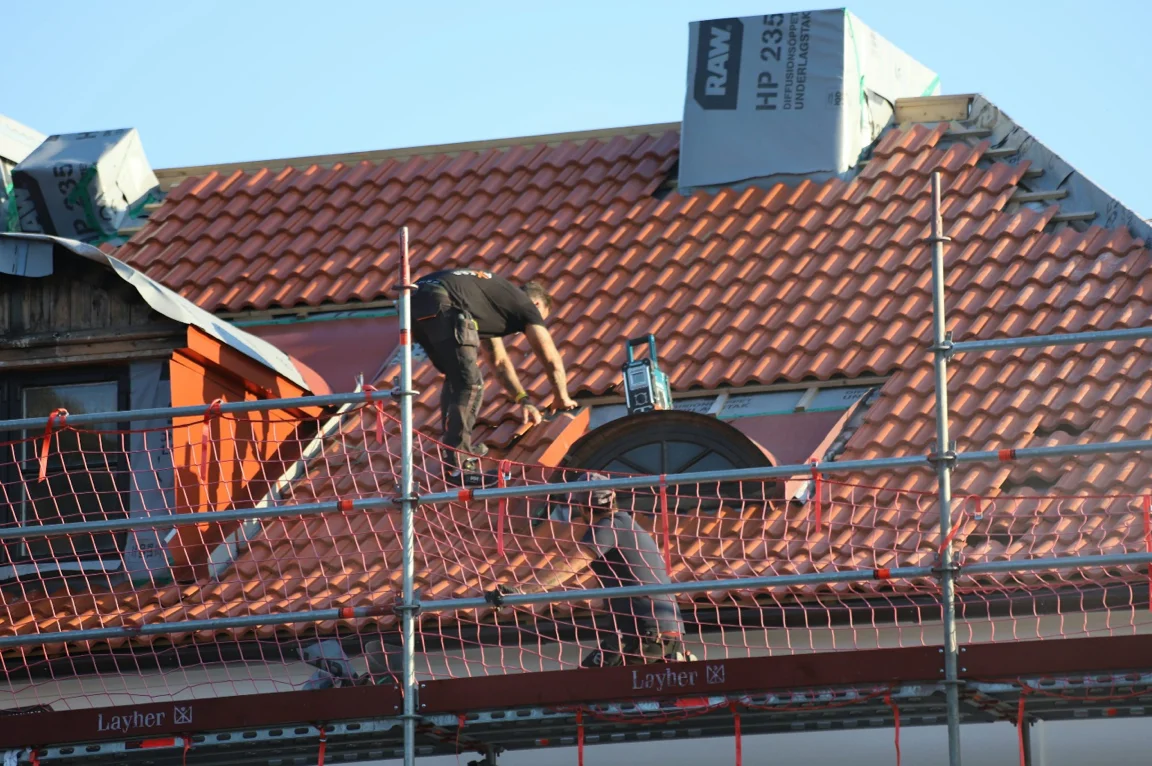
Roof replacement offers an opportunity to consider materials designed for improved durability and weather resistance. Modern roofing systems often provide better performance, longer lifespans, and enhanced energy efficiency. Improved attic ventilation can also help regulate temperature and reduce moisture accumulation. Professional expertise is especially important when evaluating the condition of a damaged roof. A local San Francisco roofer helps homeowners evaluate storm-related damage, select durable materials, and improve long-term roof performance. A dependable roof supports every part of the home’s recovery. Once this protective layer is secure, homeowners can move forward with confidence as interior restoration progresses.
Window and Door Improvements for Greater Security
Windows and doors often suffer significant damage during disasters. Cracked glass, damaged frames, and weakened seals can affect both security and comfort. Replacing these features allows homeowners to improve several aspects of the property at once.
Modern windows help improve insulation and reduce energy loss. Better sealing technology can make indoor spaces more comfortable throughout the year while lowering heating and cooling demands. Stronger window designs may also provide additional protection during severe weather events.
Selecting specialized glass can further reinforce these entry points against the impact of flying debris and extreme wind pressure. This type of resilient glazing helps maintain the building envelope, which is vital for preventing the internal pressure changes that can lead to structural failure. As homeowners evaluate various safety upgrades, they can explore options for impact-resistant materials that offer long-term durability without compromising on natural light or aesthetic appeal. These advancements in window technology contribute to a more secure home environment, helping to minimize the risk of significant interior damage when the next storm arrives.
New doors can enhance security while improving the home’s appearance. Updated materials, stronger construction, and advanced locking systems contribute to greater peace of mind.
Electrical System Updates for Modern Living
Electrical systems deserve careful attention after any disaster. Fire, water exposure, and structural damage can all affect wiring, outlets, and electrical panels. Some problems remain hidden from view, making professional inspections essential.
Rebuilding presents an ideal opportunity to modernize outdated electrical infrastructure. Many older homes were not designed to support today’s technology-driven lifestyles. Updated systems can accommodate modern appliances, home office equipment, smart devices, and growing energy demands more effectively. Safety remains one of the primary reasons to prioritize electrical upgrades. Faulty wiring can create ongoing risks even after visible damage has been repaired.
Plumbing Enhancements That Prevent Future Problems
Plumbing systems often experience damage that is not immediately obvious. Pipes can crack, connections can loosen, and hidden leaks can develop after a disaster. Left unaddressed, these issues may lead to expensive repairs in the future.
A detailed plumbing inspection can identify vulnerabilities before reconstruction moves too far forward. Replacing aging pipes and damaged fixtures helps improve system performance and reliability. Modern plumbing materials also offer greater durability than many older alternatives. Water efficiency is another important consideration during rebuilding. Updated fixtures and plumbing components can reduce water consumption without sacrificing performance.
Energy-Efficient Features That Lower Long-Term Costs
Energy efficiency is often a major consideration during the rebuilding process. Since walls, ceilings, and other areas may already be exposed during construction, homeowners have an opportunity to make upgrades that would be more difficult to complete under normal circumstances.
Improved insulation is one of the most effective investments. Proper insulation helps maintain indoor temperatures and reduces the workload placed on heating and cooling systems. The result is a more comfortable living environment and lower energy consumption throughout the year.
Interior Improvements That Improve Functionality
Rebuilding after a disaster provides a chance to reconsider how the home’s interior spaces function. Existing layouts may no longer meet the needs of the household, making reconstruction an ideal time to introduce practical improvements.
Some homeowners choose to create more open living areas, while others focus on increasing storage capacity or improving room flow. Small layout adjustments can have a noticeable impact on daily comfort and usability. Construction work already taking place often makes these modifications easier to implement than they would be during a standard renovation.
Outdoor Features That Support Property Protection
Exterior improvements deserve attention alongside indoor repairs. The areas surrounding a home often play a significant role in protecting the property from future damage. Rebuilding presents an opportunity to strengthen those defenses while enhancing overall curb appeal.
Drainage improvements are often among the most valuable outdoor upgrades. Proper water management helps direct runoff away from the home’s foundation and reduces the risk of moisture-related issues. Grading adjustments, drainage systems, and strategically designed landscaping can all contribute to better protection.
Rebuilding after a disaster involves far more than repairing visible damage. Every stage of the process presents an opportunity to make improvements that strengthen the home and enhance daily living. Thoughtful upgrades can improve structural stability, increase energy efficiency, modernize essential systems, and create a more comfortable environment for years to come.
A strategic approach allows homeowners to focus on improvements that deliver lasting value while addressing immediate repair needs. Structural reinforcements, roofing upgrades, modern utilities, and practical interior enhancements all contribute to a stronger and more dependable property. The rebuilding process can certainly be challenging, but it also offers a fresh start.

David Weber is an experienced writer specializing in a range of topics, delivering insightful and informative content for diverse audiences.
1 thought on “Smart Home Improvements to Prioritize When Rebuilding After a Disaster”