
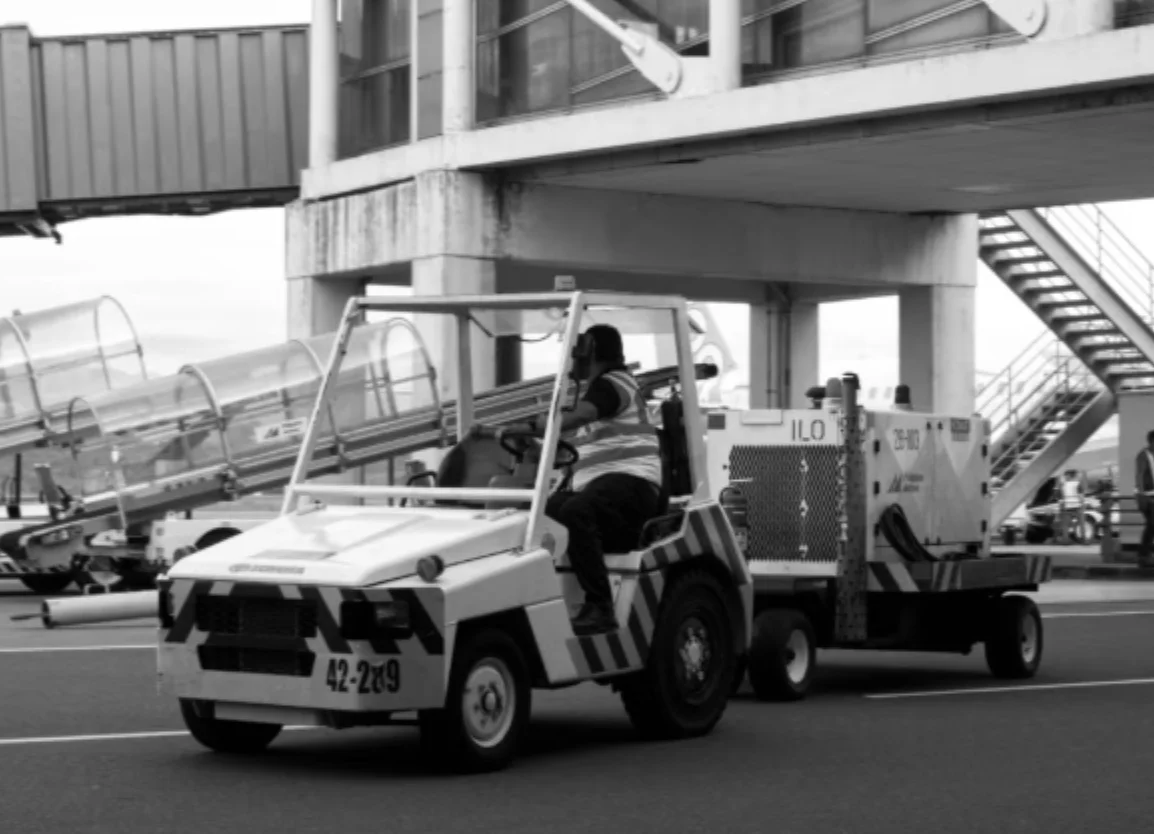
Most fleet managers expect occasional breakdowns. Equipment works hard, parts wear out, and repairs are part of the job. The problem starts when downtime becomes more expensive than the repair itself.
A utility vehicle that sits idle for several hours can disrupt work schedules, delay material movement, create staffing challenges, and force employees to adjust their daily tasks. These costs often go unnoticed because they do not appear as a line item on a repair invoice. Instead, they show up through lost productivity, missed deadlines, and operational slowdowns.
Many organizations focus heavily on maintenance expenses while overlooking the broader business impact of unavailable equipment. Understanding the full cost of downtime helps fleet managers make better decisions about maintenance planning, parts sourcing, and fleet management strategies that keep operations running smoothly.
When One Vehicle Affects an Entire Operation
Utility vehicles rarely operate in isolation. In most facilities, they support a continuous flow of work throughout the day. A vehicle may transport materials between departments, move inventory across a warehouse, support maintenance crews, or assist with deliveries around a large site. When that vehicle becomes unavailable, employees must quickly find alternative ways to complete those tasks.
The disruption often spreads beyond the immediate work area. Production schedules may shift. Material deliveries may arrive later than expected. Employees may spend valuable time waiting for equipment or sharing vehicles with other teams. In many cases, the issue begins with worn brake components, aging electrical parts, damaged cables, or other routine wear items that were nearing the end of their service life. Once a vehicle is taken out of operation, repair timelines often depend on how quickly maintenance teams can source these replacement parts. What begins as a single mechanical issue can affect multiple departments before the day ends. Fleet managers who understand these connections are better prepared to reduce operational disruptions when equipment failures occur.
Labor Expenses Keep Running
Many downtime costs are tied directly to labor. Employees remain on the clock whether the equipment is working or not. When a utility vehicle goes out of service, workers often spend time waiting for another vehicle, rearranging schedules, or handling tasks manually. Those hours add up quickly.
Maintenance teams also face additional pressure during unexpected breakdowns. Technicians may need to stop planned work to address urgent repairs. Supervisors spend time coordinating resources and adjusting priorities. In some cases, businesses authorize overtime to recover lost productivity once equipment returns to service.
These expenses are easy to overlook because they are spread across departments rather than appearing in a single repair bill. Looking at labor impact alongside repair costs provides a much clearer picture of what downtime actually costs the organization.
Customer Service Feels the Impact
Downtime can create problems that extend beyond internal operations. Many businesses rely on utility vehicles to support order fulfillment, facility services, product movement, and scheduled deliveries. When equipment becomes unavailable, those activities often take longer to complete.
Customers may never know a vehicle broke down, but they will notice delayed shipments, slower response times, or missed commitments. Consistent service plays a major role in customer retention, especially in industries where reliability matters. A single delay may not damage a relationship, but recurring disruptions can affect how customers view a company’s ability to deliver.
Fleet managers contribute directly to customer satisfaction by keeping equipment available and reducing interruptions that could impact service performance. Reliable operations create confidence, and confidence helps businesses retain customers over time.
The High Price of Last-Minute Repairs
Emergency repairs almost always create extra costs. When equipment fails unexpectedly, managers often need solutions immediately. That urgency limits purchasing options and reduces the ability to plan repairs efficiently. Parts may require expedited shipping, technicians may need to adjust schedules, and operations may continue at reduced capacity until repairs are complete.
Planned maintenance creates a different situation. Maintenance teams can inspect equipment, identify wear patterns, order components in advance, and schedule repairs during periods of lower activity. This approach gives managers more control over both costs and timing.
Many organizations discover that the biggest savings come from preventing emergencies rather than negotiating lower repair prices. Reducing unplanned breakdowns allows businesses to avoid the additional expenses that typically accompany urgent repair situations.
The Value of Tracking Downtime Trends
Many organizations record repairs, but fewer take the time to analyze downtime patterns. Looking beyond individual breakdowns often reveals valuable information about fleet performance. Maintenance records can show which vehicles experience recurring issues, which components fail most often, and how long repairs typically take.
This information supports better decision-making. Managers can identify equipment that may require replacement, adjust preventive maintenance schedules, or stock commonly needed parts before failures occur. Downtime tracking also helps justify maintenance investments by connecting repair history with operational impact.
Even simple records can provide useful insights. Tracking dates, repair causes, parts replaced, and time out of service creates a clearer picture of fleet health. Better information allows managers to solve recurring problems instead of repeatedly addressing the same symptoms.
Practical Steps to Reduce Downtime
Reducing downtime starts with consistency. Successful fleet programs focus on regular inspections, preventive maintenance, operator training, and strong supplier relationships. These practices help identify potential issues before they affect operations.
Operators play an important role because they use the equipment every day. Training employees to recognize early warning signs often prevents larger failures. Maintenance teams benefit from documented service schedules and clear inspection procedures. Suppliers also matter. Fast access to quality components can significantly shorten repair timelines when breakdowns occur.
Fleet managers should review maintenance records regularly and look for patterns that suggest recurring problems. Small improvements made consistently throughout the year often produce better results than major changes introduced after a costly breakdown. Prevention remains the most effective strategy for reducing downtime.
Utility vehicle downtime affects far more than the maintenance budget. It influences labor efficiency, customer service, scheduling, fleet utilization, and overall productivity. The true cost often becomes visible through delays, missed opportunities, and operational disruptions that occur while equipment remains out of service.
Fleet managers who take a proactive approach gain a significant advantage. Regular inspections, preventive maintenance, accurate recordkeeping, and dependable parts sourcing help keep vehicles available when they are needed most. These efforts reduce unexpected breakdowns and support smoother day-to-day operations.
Every organization experiences equipment failures at some point. The difference lies in how prepared the business is to respond. A well-managed fleet spends less time waiting for repairs and more time supporting the work that drives the operation forward.

David Weber is an experienced writer specializing in a range of topics, delivering insightful and informative content for diverse audiences.