
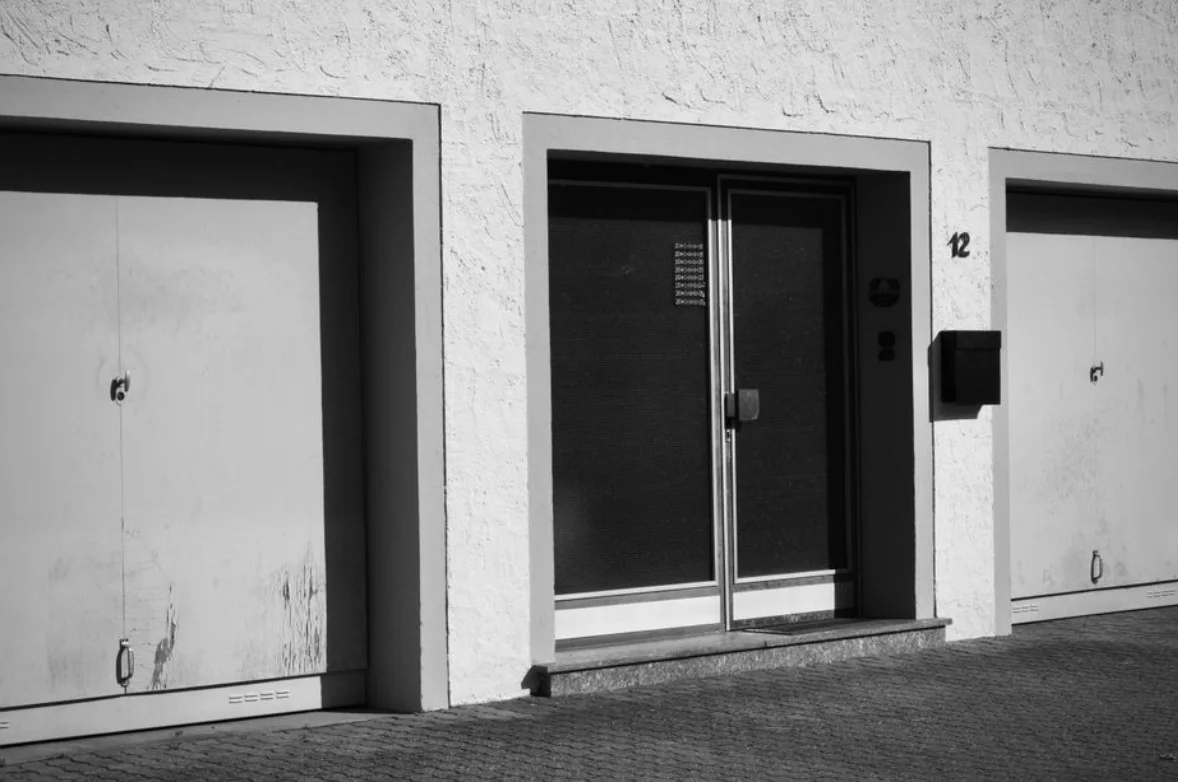
Your garage door does a lot more work than it gets credit for. It opens on rushed mornings, closes after grocery runs, and somehow keeps going through heat, dust, and daily bumps. Since it’s one of the biggest moving parts in your home, a little attention can save you from loud surprises and annoying breakdowns. The good news is you don’t need to be a repair pro to spot common issues early and keep things running smoothly.
Why upkeep matters
You probably use your garage door so often that it fades into the background. That’s exactly why problems can sneak up on you. A tiny squeak today can become a stuck door next week, and nobody wants to be trapped inside with a coffee in one hand and a backpack in the other.
Regular upkeep helps you avoid bigger repair bills and keeps your door safer to use. It also protects the opener, rollers, and tracks from extra wear. If something feels off and basic cleaning or testing doesn’t help, it makes sense to look into professional garage door services for a proper fix. That’s especially true when the door gets heavy, jerky, or unreliable.
Finding a team of experienced technicians helps guarantee that your overhead door gets evaluated correctly from the start. Working with Iowa-Based Garage Door Repair and Installation Experts With National Reach and Everyday Reliability can keep your mechanical components working properly and prevent unexpected structural alignment failures. Proactive seasonal adjustments reduce daily physical strain on your opener and support long-term durability.
Routine visual inspections can help you catch alignment shifts or worn parts before they lead to a complete system failure. When basic upkeep is no longer enough to resolve persistent scraping noises or tracking errors, local experts can provide a more thorough mechanical assessment. Relying on professional Garage Door Repair and Installation in Hampden, Me helps restore balance to heavy doors, ensuring long-term durability and smoother everyday operation.
Local environmental factors can also play a role in how often your system needs professional attention. For those living in coastal or historic areas, humidity and salt air can accelerate the wear on metal tracks and springs. If you notice persistent rust or if the door begins to drag despite your best efforts at cleaning, seeking expert garage door repair in Williamsburg can help restore smooth operation. Addressing these mechanical concerns early prevents further strain on the opener and ensures that your home remains secure and accessible throughout the year.
Think of it like taking care of a car. You don’t wait for smoke to pour out before paying attention. A garage door deserves at least a little of that same energy.
Watch for warning signs
Garage doors are not exactly shy when something is wrong. They usually give you clues first. You just have to notice them.
One common sign is new noise. Grinding, squeaking, or rattling often means parts are rubbing, loose, or wearing out. A slow response is another red flag. If the door hesitates before moving or takes longer than usual, the opener or moving parts may be struggling.
You should also watch for shaking or uneven movement. A door that wobbles or closes crooked can point to track issues, worn rollers, or tension problems. If the door reverses for no clear reason, the safety sensors may be dirty or misaligned.
Even small changes matter. A garage door that used to run smoothly but now acts moody is telling you something. It’s a bit like a toddler refusing naps. Ignore it too long, and things get louder.
Easy monthly checks
A simple monthly check can catch a lot before it becomes expensive. You don’t need a toolbox the size of a treasure chest. You mostly need eyes, ears, and a few minutes.
Start by standing inside the garage and watching the door open and close. Look for jerky motion, crooked movement, or spots where it seems to drag. Listen for sounds that weren’t there before.
Next, inspect the tracks for dirt, leaves, or random buildup. Wipe them gently if needed. Check the weather seal along the bottom too. If it looks cracked or flattened, it may let in water, dust, or bugs that think they pay rent.
Test the auto-reverse feature with a small object like a roll of paper towels placed in the door’s path. If the door doesn’t reverse, stop using it until it’s checked. Also clean the photo-eye sensors near the floor. A dusty sensor can act like it saw a ghost.
Seasonal care tips
Each season brings its own little garage door drama. Heat, dust, rain, and cooler air all affect how the door moves and how hard its parts have to work.
In warmer months, dust can build up on tracks and sensors faster than you expect. A quick wipe-down helps. If you live in a dry area, keep an eye out for parts that seem to move less smoothly. Dry conditions can make some components noisier over time.
During rainy periods, check the bottom seal and the area around the door for moisture. Water sneaking in can damage flooring, boxes, and anything else stored low. If colder weather hits your area, watch for stiffness or slower opening in the morning.
It also helps to glance at the hardware every season. Nuts and brackets can loosen with daily use. You’re not doing deep repairs here. You’re just staying alert. A garage door works hard all year, so a little seasonal kindness goes a long way.
When to call help
Some garage door tasks are perfectly fine for homeowners. Cleaning tracks, checking seals, testing sensors, and watching for movement problems are all reasonable. Once the job involves tension-loaded parts, it’s time to step back.
Springs and cables are the big ones. These parts hold serious tension, and trying to fix them without the right tools and training can be dangerous. The same goes for bent tracks, off-track doors, or openers that hum but don’t move the door.
You should also call for help if the door slams shut, gets stuck halfway, or feels much heavier than normal. That can signal a balance issue, and forcing it can make things worse.
There’s no gold star for wrestling a garage door into submission. Smart home care means knowing your limits. A quick call for professional help can save you time, stress, and a very awkward explanation to your neighbors.
Make it last longer
If you want your garage door to stick around for the long haul, consistency matters more than perfection. Little habits make a real difference.
Use the door gently when you can. Don’t race under it or keep hitting the opener button if it doesn’t respond right away. That only adds strain. Keep the area around the tracks clear so bikes, tools, and storage bins don’t bump into parts that need to stay aligned.
Pay attention after storms, extra hot days, or any accidental bumps from the car. Even a small impact can throw things off. If your door starts sounding different, moving slower, or acting fussy, deal with it early instead of waiting for a full breakdown.
The best approach is simple: notice changes, do basic checks, and call in help when the job goes beyond safe DIY territory. Treat your garage door well, and it’ll keep doing its job without all the squeaks, shudders, and surprise plot twists.

David Weber is an experienced writer specializing in a range of topics, delivering insightful and informative content for diverse audiences.