
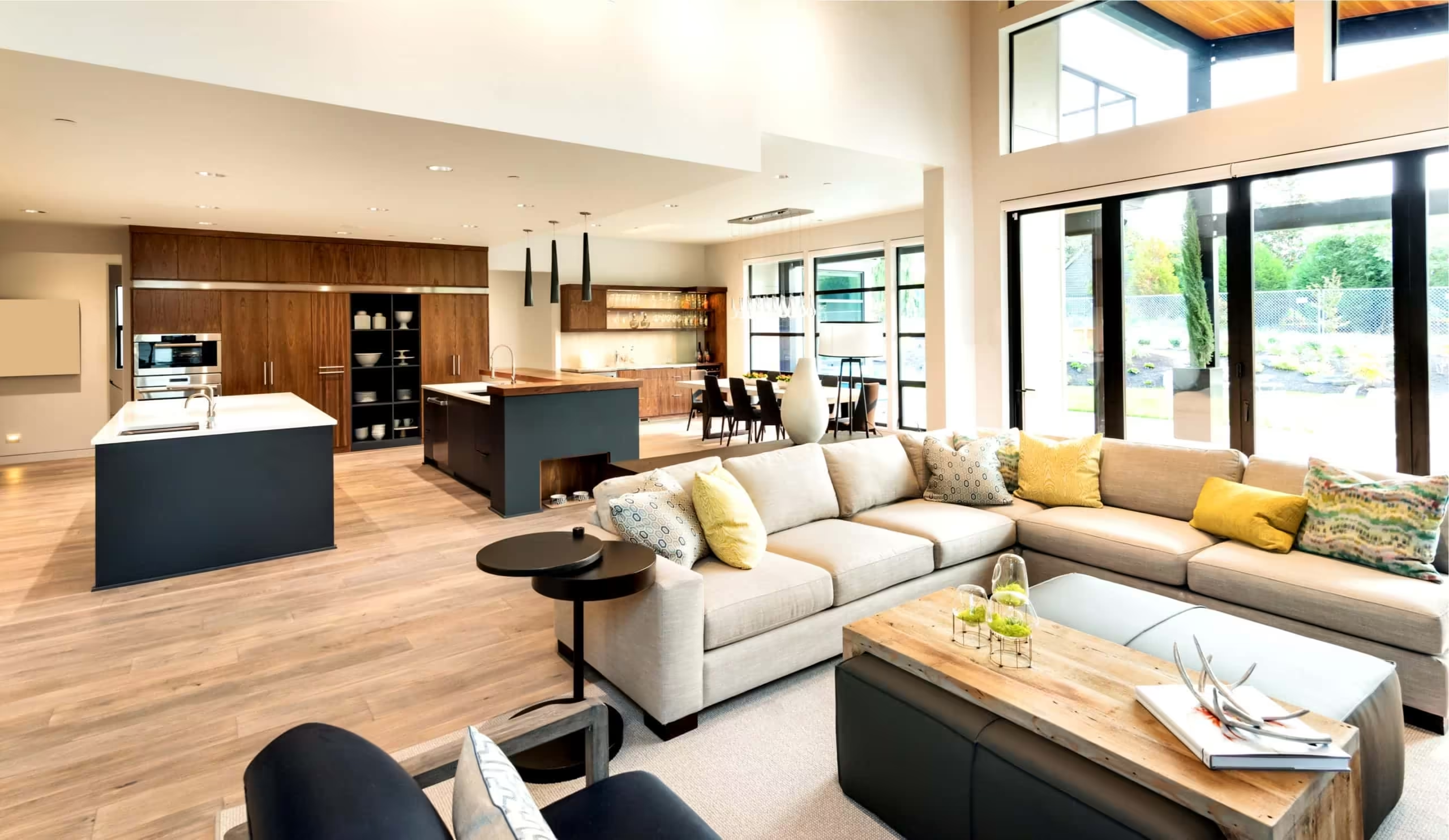
Moving is an opportunity to reset how a household works, not simply to transfer possessions from one address to another. A room-by-room approach makes the process less overwhelming because it turns one major project into smaller, visible decisions. For households that need extra structure, professional organizing services can also help create practical systems before boxes begin to pile up.
The goal is not to make every room look perfect by the end of moving day. It is to create a home that supports sleeping, cooking, working, cleaning, and relaxing with less daily friction. This plan works for local or long-distance moves, downsizing, renovations, and households that simply want a more intentional fresh start.
What To Do Before Packing
Start with a realistic timeline rather than an ambitious promise to handle everything in one weekend. Measure large furniture, closets, cabinets, and key wall spaces in the new home. A sofa that fits through the front door may still overwhelm the living room, while extra kitchen equipment may not fit the available cabinetry.
Set aside items that should stay with you, including medication, identification, legal documents, jewelry, chargers, and essential electronics. Begin packing low-use zones first, such as guest rooms, basements, garages, seasonal décor, and storage shelves. Early progress in these areas builds momentum without interrupting everyday routines.
A Simple Sorting System For Every Room
Use four clearly labeled categories so every item has an immediate next step. Avoid making a large “decide later” pile, which usually becomes another box to move.
- Keep: Useful, loved, or necessary items that fit the next home.
- Donate: Clean, usable belongings that can serve someone else.
- Sell: Items valuable enough to justify photographing, listing, and coordinating pickup.
- Recycle or discard: Broken, expired, unsafe, or unusable belongings.
For difficult choices, ask three questions: Would I buy this again today? Does it suit the new home and current lifestyle? Is the cost of moving or storing it greater than its real value? Honest answers prevent old clutter from claiming valuable space in a new setting.

The Paperwork And Address Checklist
Paperwork can create serious problems when it is scattered across boxes. Submit a USPS change-of-address request early enough for mail forwarding to begin when needed, then directly update banks, insurers, employers, schools, doctors, utilities, and subscription accounts.
Create one digital folder for leases, closing records, receipts, warranties, mover contracts, and photos of valuable belongings. Keep original documents, medication lists, spare keys, and account information in a clearly marked bag that stays with the household. Recording serial numbers and taking quick photos of expensive items can also simplify a damage claim if one becomes necessary.
How To Pack For Easier Unpacking
Pack for the destination room, not just for the room where an item currently sits. Complete one room or category at a time, using small sturdy boxes for books, canned goods, tools, and other heavy items. Put lighter belongings on top, cushion fragile pieces, and do not overload boxes just because there is space left inside.
- Label each box with its destination room, contents, and priority level.
- Mark essentials with a clear “Open First” label.
- Keep a brief inventory of valuables, fragile items, and documents.
- Wait to pack cleaning supplies, snacks, toiletries, chargers, and daily medications.
What To Prepare For Moving Day And The First 24 Hours
Prepare a moving-day bag for every household member with water, snacks, medication, chargers, basic toiletries, a change of clothes, and first-aid supplies. Keep pet supplies nearby, and give pets and young children a secure, quiet space away from open doors and active pathways.
Protect floors before boxes arrive, use a simple room map to guide movers, and inspect furniture, appliances, and high-value belongings before signing delivery paperwork. During the first 24 hours, focus only on comfort and function: make beds, set up one bathroom, connect phones and internet equipment, prepare simple meals, and break down empty boxes before they spread into every room.
The Best Order For Unpacking Rooms
A practical sequence limits chaos and gives the household usable spaces quickly. The smart unpacking priorities recommended for a move also reinforce the value of handling essentials before decorative or low-use belongings.
1. Bedrooms
Build beds first, then unpack bedding, sleepwear, daily clothing, and nightstand necessities. A calm place to rest makes every remaining decision easier.
2. Bathrooms And Kitchen
Place towels, toiletries, medication, and cleaning supplies where they are easy to reach. In the kitchen, start with coffee supplies, food, dishes, cookware, and basic appliances. Store items near where they will be used instead of arranging them according to old habits.
3. Work And Living Areas
Set up the desk, computer, chargers, task lighting, and a temporary tray for papers requiring action. In living areas, place large furniture first and keep pathways open. Add décor and smaller items only after the room feels comfortable.
4. Closets, Garages, And Storage Spaces
Save these areas until essential rooms work well. Group belongings by season, activity, or household member, and avoid creating vague “miscellaneous” boxes that may remain unopened for months.
How To Build Systems That Last
A lasting organizing system matches real behavior. Keep frequently used belongings between waist and shoulder height, place everyday items near their point of use, and assign every category one clear home. Open storage can help with visibility, while closed storage can create visual calm for rarely used items. Leave some shelf and drawer space empty so the home can adapt as routines change.
When Temporary Storage Makes Sense And Mistakes To Avoid
Temporary storage can help during a delayed closing, renovation, staged move, or downsizing project. Inventory every stored item, group boxes by room, record access details, and schedule a review date. Storage should support a transition, not become a permanent hiding place for decisions that were postponed.
Common mistakes include packing without sorting, using vague labels, unpacking multiple rooms at once, buying containers before measuring, filling every drawer immediately, and trying to finish the entire home in one weekend. Give the household time to reveal what belongs where.
A 2026 Moving And Home Setup Checklist
Four To Eight Weeks Before Moving
- Review the new layout and measure major furniture.
- Sort low-use areas and schedule donation or disposal pickups.
- Gather supplies and begin a household inventory.
One To Three Weeks Before Moving
- Pack seasonal belongings and confirm utilities and access details.
- Update addresses, prepare essential bags, and mark priority boxes.
During The First Week
- Complete bedrooms, bathrooms, and the kitchen first.
- Break down boxes daily and adjust storage based on actual routines.
- Set a weekly reset routine to keep new clutter from taking over.
A More Functional Home Starts With Fewer Friction Points
A successful move is not measured by how quickly every box disappears. It is measured by how easily people can find what they need and move through their daily routines. By working room by room, making deliberate choices, and building systems around real life, a new home can become comfortable, functional, and easier to maintain.

The download speed is impressive and the installation was a breeze. No weird errors or glitches. 01gamedownload is my new go-to spot.
I felt my luck change as soon as I signed up. The bonuses are generous and the site is very secure. You guys should definitely try lucky33me tonight.
Super easy registration and I was playing within minutes. I really appreciate the transparency regarding the odds. Give idhoki69 a try.
Solid platform with a very responsive support team. I had a question about my deposit and they sorted it out in minutes. krrkrk3 is the real deal.
Fast deposits and even faster withdrawals. That is all I really care about and this site delivers perfectly. mustang303login is the real deal.
The app is incredibly lightweight and doesn’t lag even on my old phone. Perfect for gaming on the go. Check out bdxbajeeapp if you want a seamless mobile experience.
Great customer support and a very professional layout. It is hard to find a site this reliable these days. I will definitely be sticking with idroyal1000.
This room-by-room framing really resonates with me. The point about measuring large furniture and closets before packing is something I learned the hard way during my last move — a couch that cleared the front door still left barely two feet of walking space in the living room, and I ended up rearranging everything within the first week. I also appreciate that the article treats moving as a chance to redesign how the household functions rather than just relocating stuff. The emphasis on creating a home that reduces daily friction, instead of chasing perfect-looking rooms by moving day, feels much more realistic and sustainable. The sorting system and the best order for unpacking rooms are the parts I’ll be putting into practice next time, and I’ll definitely be starting with low-use zones first as suggested.
I’ve been trying a few platforms lately and this one really stands out for its speed. Everything is smooth and easy to navigate. Definitely worth checking out ug234
No fuss, no drama, just straight to the fun. The registration was a breeze and I started winning immediately. Try brpkk44 now.