
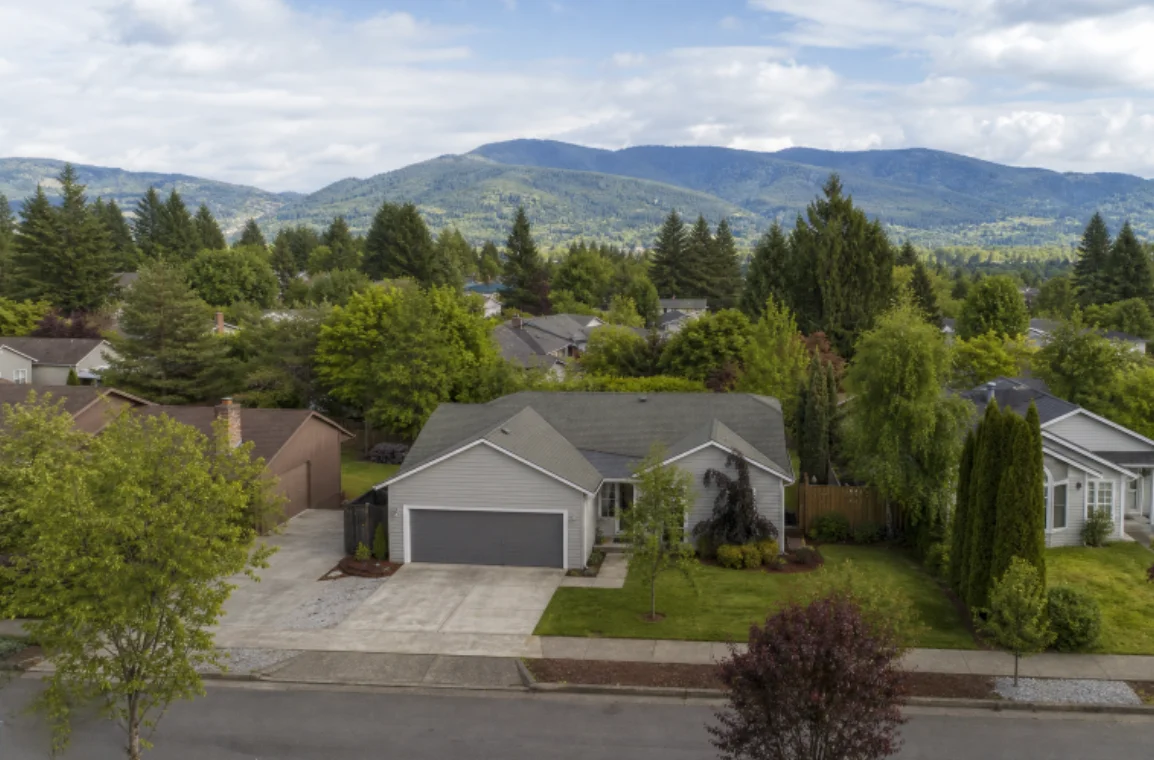
Selling a home involves more than choosing the highest number on an offer. Gresham homeowners need to weigh their preferred closing date, the home’s condition, monthly carrying costs, and the amount of effort they can take on. Owners who want to sell homes in Gresham, OR, should begin by identifying whether speed, convenience, certainty, or maximum market exposure is their main priority.
A homeowner relocating for a new job may need a reliable closing date within weeks. Another owner may have no deadline and may be comfortable preparing the home, holding showings, and waiting for a buyer. Neither situation is better than the other, but each can point toward a different selling strategy.
Why Your Home-Sale Timeline Matters
Timing can affect both stress and money. A longer sale period may create additional mortgage payments, utilities, insurance, property taxes, maintenance work, and commuting challenges if you have already moved. A rushed sale can also limit the time available to compare offers, make repairs, or resolve title concerns.
Before selecting a path, choose a target closing date and a backup plan. Consider when you must move, whether you can remain in the property after closing, and how long you can comfortably cover ownership expenses if the sale takes longer than expected.
Homeowners comparing direct-sale options can review general information and contact details at https://northwestrealestatesolutions.com/ as part of their broader research process. Comparing multiple paths can make it easier to recognize the real trade-offs involved.
Start With Four Basic Questions
- How soon does the home need to sell?
- How much cleaning, repairing, and showing activity can you handle?
- What costs can you afford before closing?
- Is your top priority speed, convenience, price, or certainty?
Write down the answers before speaking with buyers or agents. A clear priority list can reduce pressure during negotiations and help you avoid accepting terms that do not fit your actual needs.
Option One: A Traditional Real Estate Listing
A traditional listing commonly includes pricing the home, preparing it for photographs, marketing it, arranging showings, reviewing offers, and moving through inspection, appraisal, and buyer-financing steps. This route may suit sellers who want broad buyer exposure and have time for a longer process.
It can also lead to repair requests, schedule changes, appraisal concerns, financing delays, and ongoing carrying costs. Review the listing agreement carefully, including its length, fees, cancellation language, and responsibilities. Sellers can use Oregon real estate consumer information to check license-related resources and understand available complaint options.
Option Two: Selling Directly to a Private Buyer
A private sale may involve fewer people during the early stages, especially if you already know the buyer. That simplicity does not remove the need for careful documentation. Insist on a written offer, proof of funds or financing approval, a defined inspection period, earnest-money terms, and a specific closing date.
Do not depend on verbal assurances or vague promises to “close soon.” A neutral title or escrow company can help handle documents and funds. Compare estimated final proceeds, not just the offered purchase price, because fees, repairs, credits, and unpaid obligations can change the amount you receive.
Option Three: A Cash Offer
A cash offer means the buyer does not rely on a mortgage loan for the purchase. It may reduce financing-related risk and may allow a more flexible closing schedule. In exchange, the offer may be lower because the buyer is placing value on speed, convenience, or accepting the property with fewer repair demands.
Questions to ask before accepting
- Can the buyer provide evidence of available funds?
- Can the buyer assign the contract to someone else?
- Who pays title, escrow, recording, and other closing charges?
- Is there an inspection or cancellation period?
- What happens if the buyer misses the closing date?
Option Four: Selling the Home As-Is
Selling as-is generally means the seller does not plan to make requested repairs as part of the deal. It does not necessarily remove the need to disclose known material problems. Roof damage, plumbing leaks, water intrusion, unfinished work, clutter, and deferred maintenance can still affect buyer confidence and the offer amount.
Compare the likely cost of repairs with the potential improvement in marketability or price. Major renovations may not be worthwhile, but basic cleaning, yard work, working smoke alarms, and small safety fixes can help a buyer see the home more clearly.
How to Compare Speed, Price, and Certainty
- Traditional listing: Often provides the widest exposure, but requires more preparation and has more steps before closing.
- Private sale: Creates direct communication, but places more responsibility on the seller to evaluate the buyer and agreement.
- Cash sale: Can be faster and simpler, with a possible price trade-off.
- Delayed sale: Gives you time to prepare or solve ownership issues, but extends mortgage, utility, tax, and maintenance costs.
A firm relocation date may make certainty more valuable than maximum exposure. If there is no urgent deadline, waiting and preparing for a broader market may be a reasonable choice.
Costs and Documents That Affect Net Proceeds
Create a written estimate for every option. Include the mortgage and home-equity payoff, agent compensation or service fees, repair costs, cleaning, moving, taxes, insurance, utilities, title and escrow charges, and any seller credits. Tax questions can also arise when a property is inherited, rented out, jointly owned, or sold for a substantial gain.
Gather mortgage statements, property-tax records, insurance details, the deed, HOA documents, permits, improvement receipts, tenant records, and information about liens, probate, divorce, judgments, or shared ownership before choosing a buyer.
Red Flags to Watch for in a Fast-Sale Deal
- Pressure to sign immediately or avoid reviewing the contract.
- Offer terms that change after you agree to them.
- No proof of funds, large upfront fees, or unclear cancellation language.
- A buyer who refuses to use title or escrow services.
- A request to transfer the deed before payment is secured.
If an investor intends to market or transfer contract rights, review Oregon’s residential property wholesaling rules before signing. Written disclosures and registration requirements may apply, so confirm exactly who is buying the home and whether assignment is permitted.
Final Checklist Before Moving Forward
- Set a preferred closing date and estimate net proceeds.
- Compare at least two selling paths when possible.
- Confirm the buyer’s identity, funds, contingencies, and ability to close.
- Read every contract term, including assignment and cancellation provisions.
- Use a qualified title or escrow professional, and seek legal or tax advice for unusual circumstances.
The right way to sell a Gresham home in 2026 depends on your timeline, property condition, financial obligations, and comfort with the process. A thoughtful comparison of speed, cost, effort, and certainty can help you make a practical decision without rushing into terms that do not serve your goals.

David Weber is an experienced writer specializing in a range of topics, delivering insightful and informative content for diverse audiences.
This article really highlights how important it is to think beyond just the highest offer. I appreciate the breakdown of different selling strategies and the emphasis on prioritizing speed, convenience, price, or certainty. It makes me wonder, for those prioritizing speed, what are the most common pitfalls to avoid when accepting a cash offer?
Best betting experience I have had in months. The odds are fair and the payout process is transparent. Definitely check out br881betwin.
Selling a home is rarely just about the highest offer, as timing and personal circumstances often matter just as much. Whether you need a quick, guaranteed closing or can wait for the best market price, knowing your own priorities is the first step toward a less stressful sale.
The point about carrying costs during a longer sale is something people often overlook. It’s easy to focus on getting the highest price, but those extra months of mortgage, taxes, and utilities can quietly eat into that profit. Setting a target closing date first makes the whole decision much clearer.
The point about carrying costs during a longer sale is something many sellers overlook. It’s easy to focus on getting the highest price, but those extra months of mortgage, taxes, and utilities can quietly eat into your profit. Setting a realistic closing date first makes the rest of the decision much clearer.
The download was quick and the installation was painless. Now I have all my favorite games right in my pocket. Grab it at 311jiliparkappdownload
I really appreciate the customer support here, they answered my questions almost instantly. It makes the whole experience feel very secure. Shoutout to bd88xbajee!