
Every business reaches a point where growth creates a new challenge: space. More inventory, more equipment, more employees, and more customer demand can quickly make a once-comfortable workspace feel crowded. While moving to a larger facility may seem like the obvious answer, it is not always the most practical or affordable option. Many successful businesses continue to expand without changing locations by making smarter use of the space they already have and exploring flexible solutions that support long-term growth. Here are some strategies to ensure that limited square footage does not limit your potential.
Assess How Your Current Space Is Being Used
Many businesses assume they need more space when growth begins to strain daily operations. In reality, the issue is often how existing space is organized. Take a close look at every area of your facility and identify sections that are not being used effectively. Old equipment, unused furniture, and excess supplies can consume valuable space without providing any benefit. A thorough review may reveal opportunities to rearrange workstations, improve storage systems, or eliminate unnecessary items. Small adjustments can create a more functional environment and help your business accommodate growth without immediately seeking a larger location.
Invest in Storage Containers for Flexible Expansion
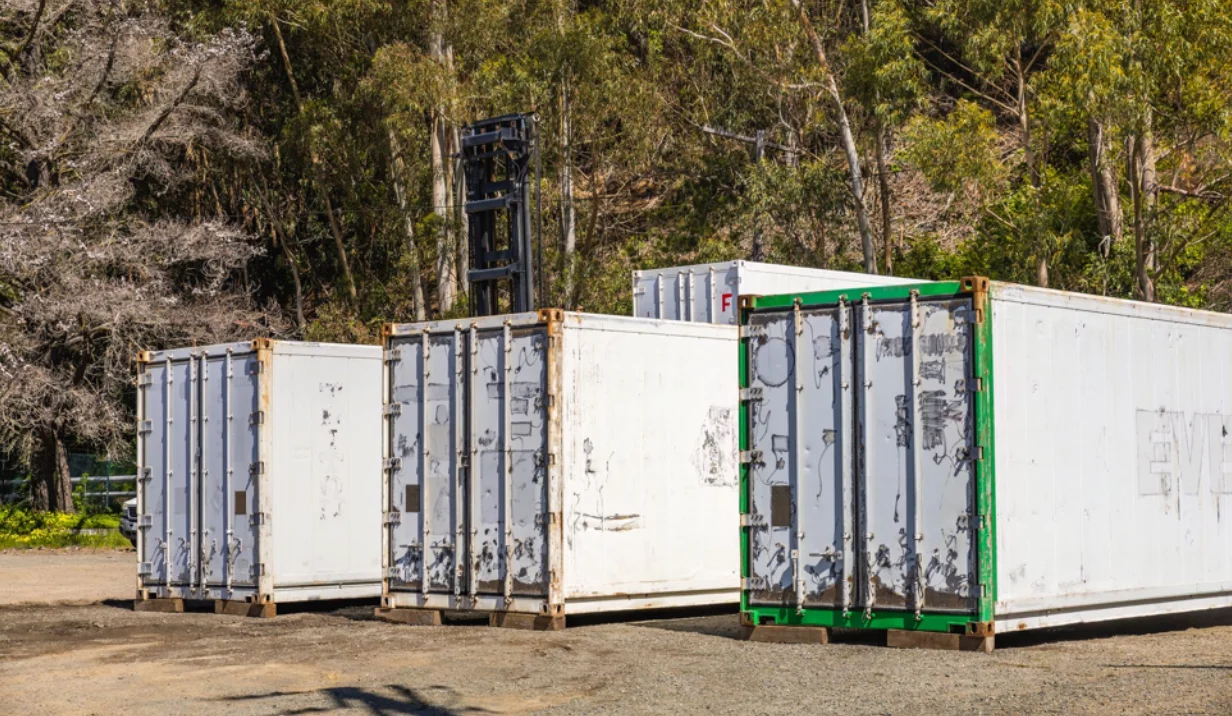
When inventory, tools, or equipment begin to crowd your workspace, storage containers can provide an immediate and practical solution. Businesses often use them to store seasonal products, surplus inventory, construction materials, or archived records. It is best to explore providers that offer storage containers for sale instead of searching for rentals.
Unlike rentals, purchased containers remain available whenever needs change. As your business evolves, they can serve new purposes such as mobile offices, workshops, secure equipment storage, or temporary operational spaces. This flexibility allows companies to adapt without committing to expensive building expansions or relocation projects.
Make Better Use of Vertical Space
Many businesses focus only on floor space while overlooking the walls and overhead areas around them. Vertical storage can significantly increase capacity without changing the building’s footprint. Shelving units, wall-mounted racks, and elevated storage systems help keep products and supplies organized while freeing up room below. This approach works particularly well in warehouses, workshops, and retail stockrooms. By storing less frequently used items higher up and keeping everyday essentials within easy reach, businesses can create a cleaner, more efficient environment that supports growth while maintaining a comfortable workspace.
Embrace Digital Solutions to Reduce Physical Clutter
Paper files, bulky cabinets, and printed records can quietly consume a surprising amount of space. Transitioning to digital systems helps reduce physical clutter while improving organization. Cloud-based platforms allow businesses to store documents securely and access them from virtually anywhere. Digital records also simplify searching, sharing, and updating information. Beyond the space savings, businesses often benefit from improved collaboration and faster access to important data.
Reducing reliance on paper creates a more streamlined operation and opens up room that can be used for revenue-generating activities rather than storage.
Create Multi-Purpose Work Areas
As businesses grow, every square foot becomes more valuable. Designing areas that can serve multiple purposes helps maximize available space without sacrificing functionality. A meeting room, for example, may also work as a training area or collaborative workspace. Modular furniture and flexible layouts make it easier to adapt rooms to different needs throughout the day. This approach allows businesses to get more value from their existing facilities while avoiding costly renovations. When spaces can evolve alongside business demands, companies gain the flexibility needed to support growth without feeling constrained by their location.
Optimize Inventory Management
Inventory can quickly become one of the biggest space consumers in a growing business. While keeping products available is important, storing more than necessary often creates unnecessary congestion. Modern inventory management systems make it easier to track stock levels, identify purchasing trends, and forecast future demand with greater accuracy. This allows businesses to maintain a healthy balance between availability and storage capacity. A well-organized inventory system also reduces the time employees spend searching for products, improving efficiency throughout daily operations.
Explore Remote and Hybrid Work Opportunities
Not every employee needs to be physically present every day to contribute effectively. Remote and hybrid work arrangements can help businesses reduce pressure on office space while maintaining productivity. Fewer people on-site may allow companies to reconfigure workstations, create collaborative areas, or repurpose existing rooms for other functions. Beyond space savings, flexible work options often appeal to employees seeking greater work-life balance. Businesses that embrace these arrangements can improve operational flexibility while adapting to changing workplace expectations.
Reorganize Workflows for Greater Efficiency
A crowded workplace is not always the result of limited space. Sometimes, inefficient workflows create unnecessary obstacles that make an area feel smaller than it actually is. Examining how employees move through a workspace can reveal opportunities for improvement. Frequently used equipment should be easy to access, and related tasks should be positioned near one another whenever possible. Small layout changes can reduce unnecessary movement and improve productivity throughout the day. When operations flow more smoothly, businesses often discover they have more usable space than they initially believed, allowing them to support growth with fewer disruptions.
Plan for Future Growth Before Space Becomes a Problem
Many businesses wait until space limitations begin affecting operations before exploring solutions. A more effective approach involves anticipating future needs and preparing in advance. Growth projections, staffing plans, inventory requirements, and equipment purchases should all factor into long-term space planning. Businesses that think ahead can implement gradual improvements rather than reacting to urgent challenges. Whether investing in flexible storage, redesigning layouts, or exploring alternative work models, early planning creates more options and reduces the likelihood of costly decisions.
Business growth rarely follows a perfectly predictable path. New opportunities can arrive unexpectedly, and the companies that thrive are often those that remain adaptable when circumstances change. Space limitations should be viewed as a challenge to solve rather than a barrier to success. Creative thinking, strategic planning, and a willingness to use resources differently can open doors that might otherwise remain hidden. When businesses focus on flexibility and efficiency, they place themselves in a stronger position to seize opportunities, serve customers effectively, and continue building momentum no matter how much room they have.

David Weber is an experienced writer specializing in a range of topics, delivering insightful and informative content for diverse audiences.