
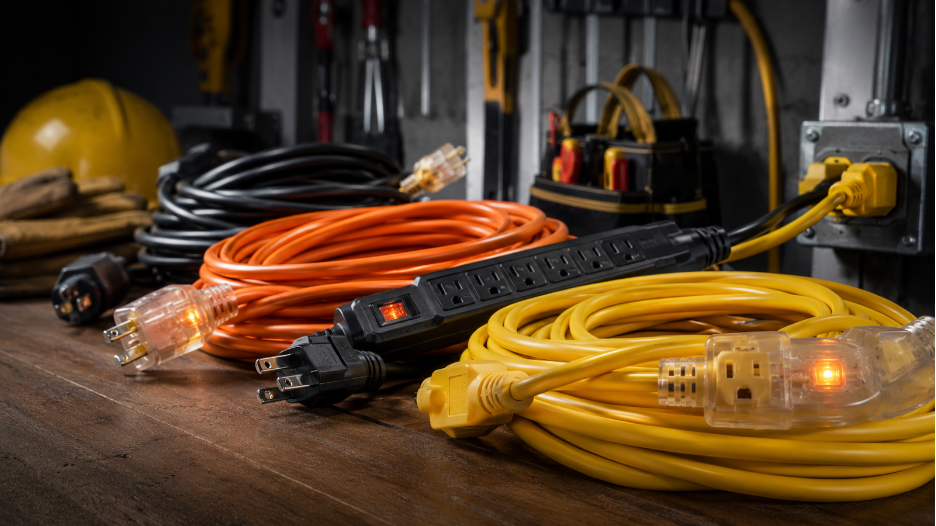
Plugging in a device with the nearest cord may seem like the quickest solution. Nonetheless, an improperly selected extension cable may result in issues that would not be noticed until equipment overheats, power cuts, or circuit trips.
With the increasing use of electrical equipment as a normal aspect of homes, workshops, and workplaces, each connection contributes to the creation of a safe environment.
Additionally, not all extension cords are meant to support an equal amount of electricity or conditions of use. A cord that is used in a lamp may not be effective in power tools or outdoor equipment. As such, the correct decision will not only safeguard your equipment but also those who use it.
That being said, this article explains why selecting the right extension cable matters for safety and what factors you should consider before plugging in.
1. Right Wire Gauge Helps Prevent Overheating
One of the easiest methods of minimizing electrical hazards is by selecting quality extension cables.
It is necessary to align the cable with the power needs of the device that is being connected, instead of using all the cords the same way. This strategy enables the circulation of electricity without creating a high risk of heat accumulation.
One of the most significant specifications to take into account is wire gauge.
Reduced gauge implies larger wires, which may safely support greater electrical loads. Thicker cables are usually needed to power heavy-duty equipment, workshop tools, and high-powered appliances, compared to small household electronics.
Moreover, longer cords will naturally have a higher voltage drop. Consequently, determining a proper wire gauge becomes even more significant to ensure consistent performance.
A properly rated extension cable will not only enhance efficiency but also help to protect connected equipment against unwarranted stress and minimize the chances of overheating.
2. Matching Cable To Environment Improves Safety
The location where an extension cable is used is just as important as its electrical rating.
As an illustration, indoor cables are made to suit controlled settings that do not necessarily involve moisture, UV, and rough surfaces. Applications outside, however, demand more robust insulation that would resist weather changes and physical damage.
Likewise, cables in garages, workshops, and construction areas are often subjected to high rates of movement, heavy construction equipment, and repeated bending. Heavy-duty extension cables are constructed with heavier jackets and materials that are more resistant to abrasion and day-to-day usage.
Selecting a cable that matches the environment where it will be used preserves its integrity throughout its life and minimizes the likelihood of damaged insulation or naked wiring.
As a result, the right extension cable leads to a secure working environment and ensures quality performance.
3. Proper Cable Selection Protects Your Equipment
Electrical safety is not all about fire prevention. It also includes safeguarding precious equipment against irregular power supply.
In cases where an extension cable is too small to serve the load connected to it, the current may drop at a point before it reaches the equipment. Such a decrease in voltage can lead to increased strain on the motors, reduction in the intensity of lights, or inefficient functioning of electronic devices.
In the long run, these conditions may reduce the lifespan of power tools and appliances.
Choosing the right cable that has the appropriate amperage rating and wire size can help provide consistent power flow to the appliance connected to the outlet. Similarly, the correct cable length reduces the unwanted resistance and aids in stable operation.
Other extension cords also have convenient safety characteristics like polarized plugs and lighted receptacles that show when power is on. These design features facilitate easier connection verification and contribute to safer daily use.
Therefore, investing in a properly rated extension cable benefits both performance and long-term equipment reliability.
4. Durable Construction Supports Long-Term Reliability
An extension cable is usually subjected to plugging, unplugging, bending, and storage. As a result, build quality directly affects both safety and service life.
Quality extension cables are usually characterized by strong insulation, a flexible body, and reliable molded connectors that can sustain frequent use. These properties assist in minimizing cracking, loose joints, or wear-out.
Frequent examinations are also crucial. When a cable exhibits evidence of fraying, insulation damage, bare wires, or loose plugs, it must be replaced instead of being repaired with improvised solutions.
Additionally, extension cables should never be overloaded or connected end-to-end to create extra length. A safer and more reliable solution is to use one cable with the necessary length and electrical load.
You can achieve a safer electrical installation by choosing a good extension cable and applying it properly to minimize unnecessary hazards around your home, workstation, or workplace.
Conclusion
Choosing the right extension cable is more than a matter of convenience. It is an important decision that affects electrical safety, equipment performance, and long-term reliability. From selecting the proper wire gauge to choosing a cable designed for indoor or outdoor use, every detail contributes to a safer power connection.
Paying attention to these factors can help prevent common issues such as overheating, power loss, and unnecessary wear on your devices. Rather than relying on a one-size-fits-all solution, take a moment to evaluate your power needs before plugging in.
Consider the environment, the length of the cable, and the power requirements of your equipment to ensure the best match. A durable, properly rated extension cable helps deliver consistent performance, protects connected devices, and supports safer operation wherever electricity is needed.
